Winter Sun vs. Summer Heat: When is the Best Time to Visit Spain?
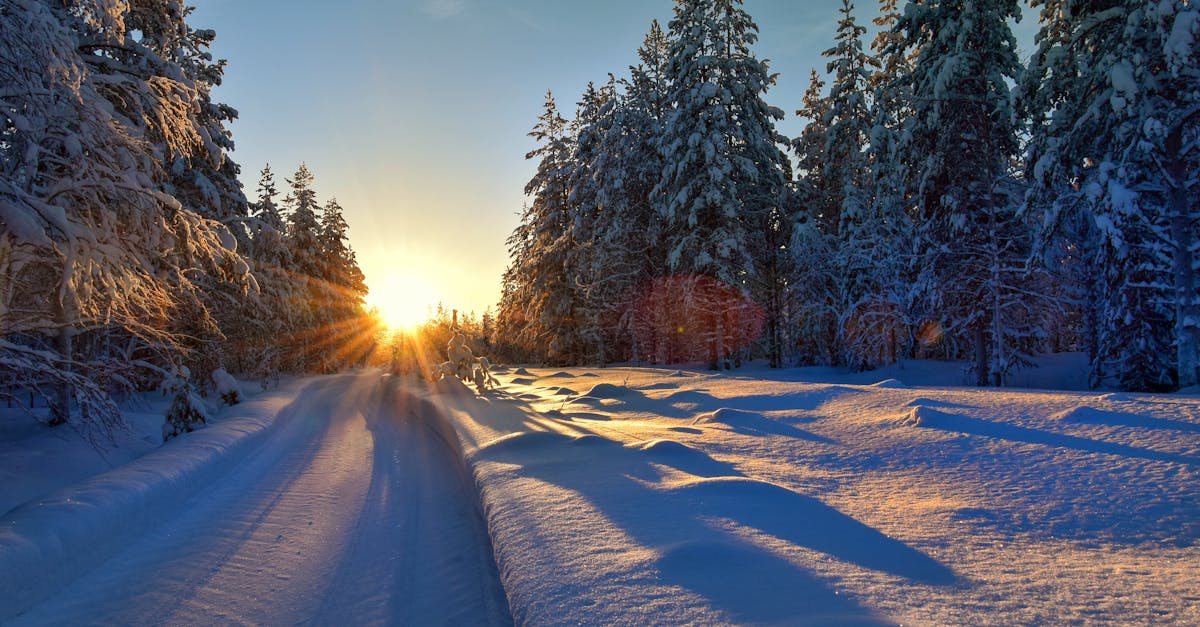 This photo was taken by Tom on Pexels.
¡Hola, travelers! As your local guide through the vibrant landscapes of Spain, I often get asked one question above all others: "When is the best time to visit?" The answer isn't a single date on the calendar, but rather a choice between two distinct magical experiences. On one hand, you have the allure of winter sun, where coastal towns bask in mild temperatures perfect for leisurely strolls without the crowds. On the other, there's the challenge and reward of summer travel, particularly in our lush northern regions where the heat is far more manageable. In this post, we'll explore how to bask in the Mediterranean during the off-season, discover tips for escaping the scorching southern sun by heading north, and help you find that perfect golden season balance for your ideal climate. Let's dive into when you should pack your bags for your next Spanish adventure!
Basking in the Mediterranean: Why Winter is Perfect for Coastal Getaways
Contrary to popular belief, Spain's Mediterranean coastline transforms into a serene paradise during the winter months, offering a unique escape from the biting cold of northern Europe. While summer crowds flock to crowded beaches in Barcelona or Malaga, the off-season reveals a tranquil beauty where you can stroll along sun-drenched promenades without the hustle and bustle. The air remains crisp yet invigorating, perfect for long walks through historic old towns like those in Valencia or Cartagena, and the mild temperatures often hover between 15°C and 20°C, allowing visitors to enjoy outdoor terraces and local tapas bars with genuine comfort.
Beyond the sheer pleasure of avoiding peak season queues and inflated prices, winter is the ideal time to truly immerse yourself in the authentic rhythm of Spanish coastal life. With fewer tourists, local markets brim with seasonal produce, and the vibrant culture feels more accessible as residents go about their daily routines unhurried by tourism peaks. Whether you are exploring ancient Roman ruins on the Costa Brava or simply sipping coffee while watching the gentle waves lap against the shore, the Mediterranean winter offers a warm, golden light and a relaxed atmosphere that makes every moment feel like a personal discovery rather than a checklist item.
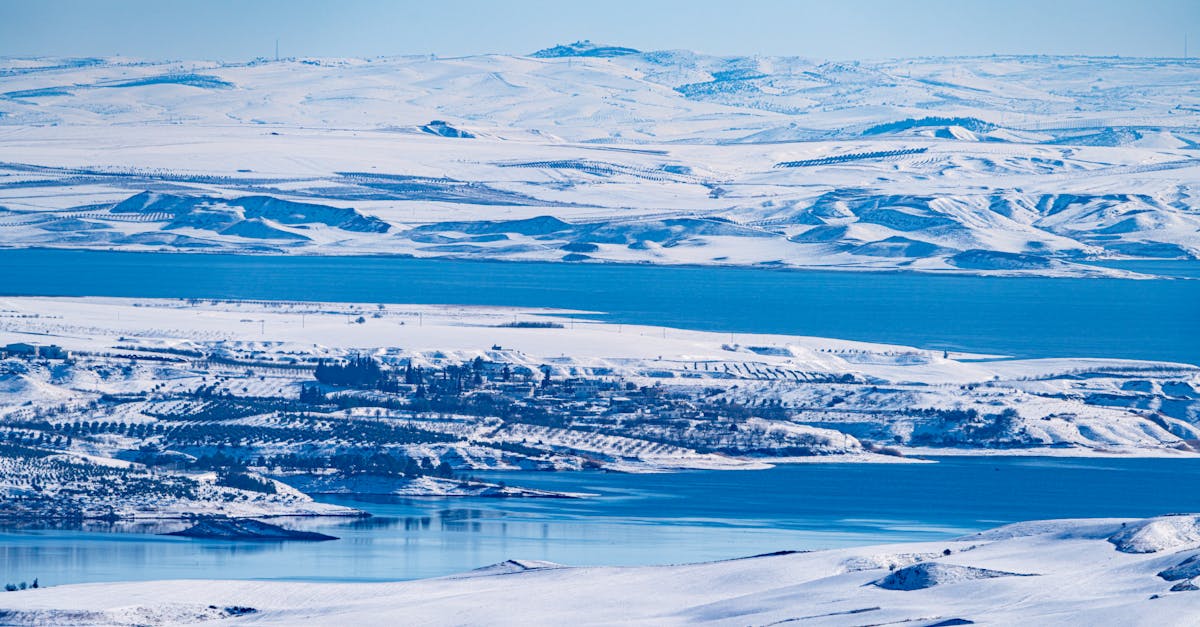 This photo was taken by Hüseyin Ağgül on Pexels.
Escaping the Scorching Sun: Summer Travel Tips for Northern Spain
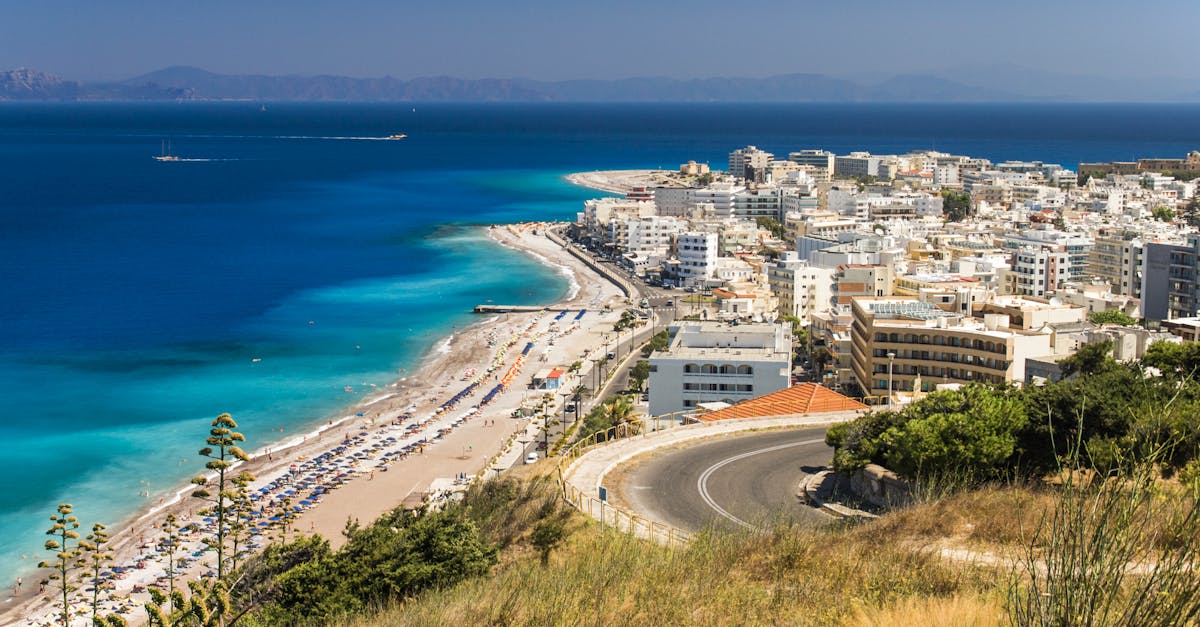 This photo was taken by Erik Karits on Pexels.
The Golden Season: Finding Your Ideal Climate Balance
For travelers seeking a perfect equilibrium between warmth and comfort, the "Golden Season" of late spring (April to June) and early autumn (September to October) offers Spain's most delightful climate balance. During these months, the scorching intensity of July and August has either not yet arrived or has already receded, allowing visitors to explore historic cities like Seville and Granada without battling oppressive temperatures. The Mediterranean coast basks in mild, sun-drenched days ideal for beach relaxation, while inland regions enjoy crisp air perfect for hiking through olive groves or wandering cobblestone streets. This period also coincides with vibrant local festivals and harvest celebrations, providing an authentic cultural immersion alongside pleasant weather that encourages outdoor dining and extended sightseeing.
Choosing this optimal window allows you to sidestep the peak tourist crowds that dominate the summer high season, resulting in more affordable accommodations and a more relaxed atmosphere at major attractions. Whether you are planning a culinary tour through La Rioja during the grape harvest or a coastal road trip along the Costa del Sol, the Golden Season ensures that the Spanish sun remains a welcoming companion rather than a daunting obstacle. By aligning your itinerary with these transitional periods, you experience the true essence of Spain's diverse landscapes—from the lush green hills of Andalusia to the golden beaches of Valencia—under skies that promise clear blue vistas and evenings cool enough for stargazing, making it the ultimate time to discover the country's natural beauty.
 This photo was taken by Erik Mclean on Pexels.