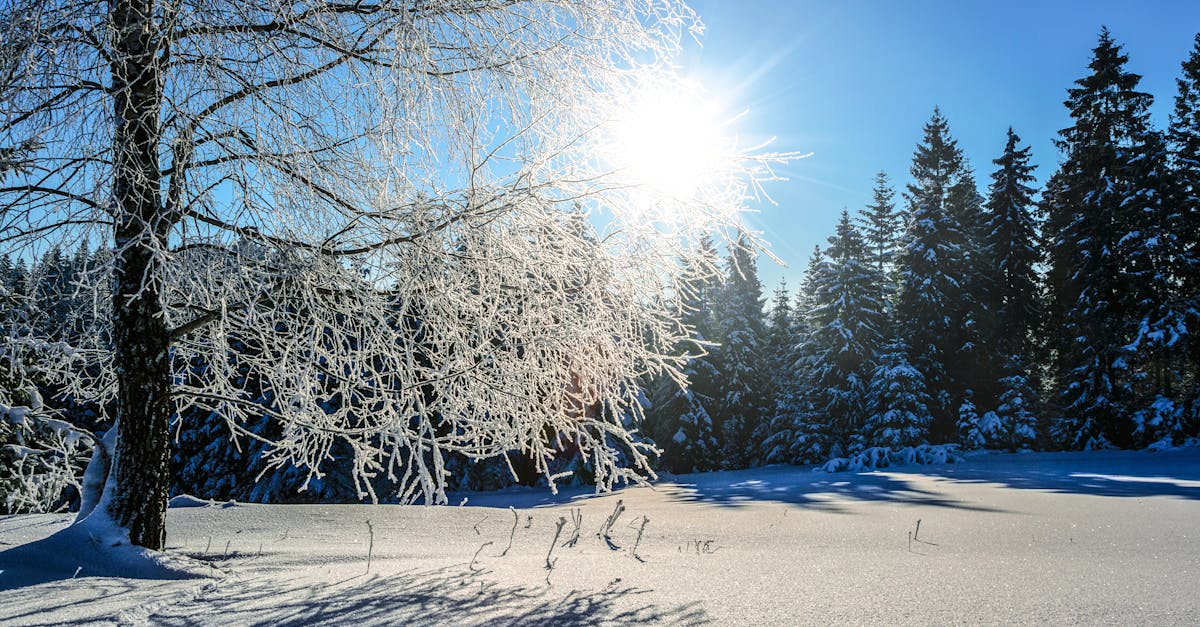
 This photo was taken by AS Photography on Pexels.
¡Hola, travelers! As your local guide here in Spain, I often get asked the same question: "When is the best time to visit?" The answer, as with so many things Spanish, depends entirely on what kind of experience you crave. Are you dreaming of golden afternoons and warm breezes while sipping coffee in Seville during the coldest months? Or perhaps you prefer the cool, refreshing embrace of the Atlantic Ocean and the verdant landscapes of the north when the rest of Europe is baking under a scorching sun?
In this post, we'll explore the unique charm of Spain across different seasons. From basking in the winter sunshine along the Costa del Sol to escaping the summer heat on the lush northern coastlines, there's a perfect window for every type of traveler. We'll also uncover the hidden gems of the shoulder season, where ideal weather meets fewer crowds. Let's dive into the rhythm of our beloved country and help you find your perfect moment to visit!
Basking in the Winter Sun: Andalusia and the Costa del Sol
While much of Europe shivers under grey skies, Andalusia transforms into a golden sanctuary where the winter sun feels like a warm embrace rather than a fleeting promise. In cities like Seville and Granada, temperatures often hover around a pleasant 15°C to 20°C (59°F–68°F), offering ideal conditions for strolling through the Alcázar gardens or exploring the intricate tilework of the Alhambra without the oppressive heat that defines the summer months. The air is crisp enough to invigorate your senses, yet bright enough to keep you outdoors from morning until late afternoon, making it the perfect season to savor tapas on terraces and witness the dramatic play of light across white-washed villages in the Sierra Nevada foothills.
Just a short drive south lies the Costa del Sol, a region renowned as "Europe's playground" even in the coldest months, where the Mediterranean Sea retains a surprising warmth and palm trees sway gently against azure skies. Unlike the bustling crowds of July and August, the coastal towns of Marbella, Málaga, and Nerja offer a serene atmosphere where you can enjoy long walks along pristine beaches, cycle through olive groves, or sample fresh seafood in quiet harbors with just a light jacket. This unique microclimate allows travelers to escape the winter gloom of northern countries while experiencing the authentic rhythm of Spanish life, proving that the best time to soak up the rays isn't always when the thermometer hits its peak.

This
photo was taken by
Erik Mclean on Pexels.
Escaping the Summer Heat: The Lush Northern Coastlines
When the scorching sun turns southern Spain into an oven during July and August, savvy travelers often turn their gaze north to the verdant embrace of the Basque Country, Asturias, and Galicia. Here, the rugged coastline is kissed by the cool Atlantic breeze, creating a refreshing microclimate where temperatures rarely exceed a comfortable 25°C (77°F). Instead of baking on crowded beaches, you can wander through lush green cliffs, explore hidden coves accessible only by boat, or stroll along promenade-lined towns like San Sebastián and Gijón, where the air smells of salt and damp earth. This region offers a dramatic contrast to the arid south, featuring emerald forests that cascade down to turquoise waters, providing a perfect sanctuary for those seeking nature's tranquility without sacrificing the beauty of the sea.
The Northern coastlines also come alive with a vibrant cultural rhythm during the summer months, hosting world-renowned festivals like the Carnival of Cádiz and the San Fermín running of the bulls in Pamplona, all set against a backdrop of mild weather ideal for outdoor exploration. While the Mediterranean coasts are often packed with tourists braving the heat, the Cantabrian and Atlantic shores offer a more relaxed pace, inviting visitors to savor fresh seafood in seaside chiringuitos while watching dramatic storms roll in from the ocean. Whether you are hiking the Camino del Norte or simply enjoying a glass of crisp Albariño wine at sunset, these northern enclaves prove that Spain's summer charm lies not just in its golden sands, but in its ability to offer a cool, invigorating escape for those who wish to avoid the intense midday heat.
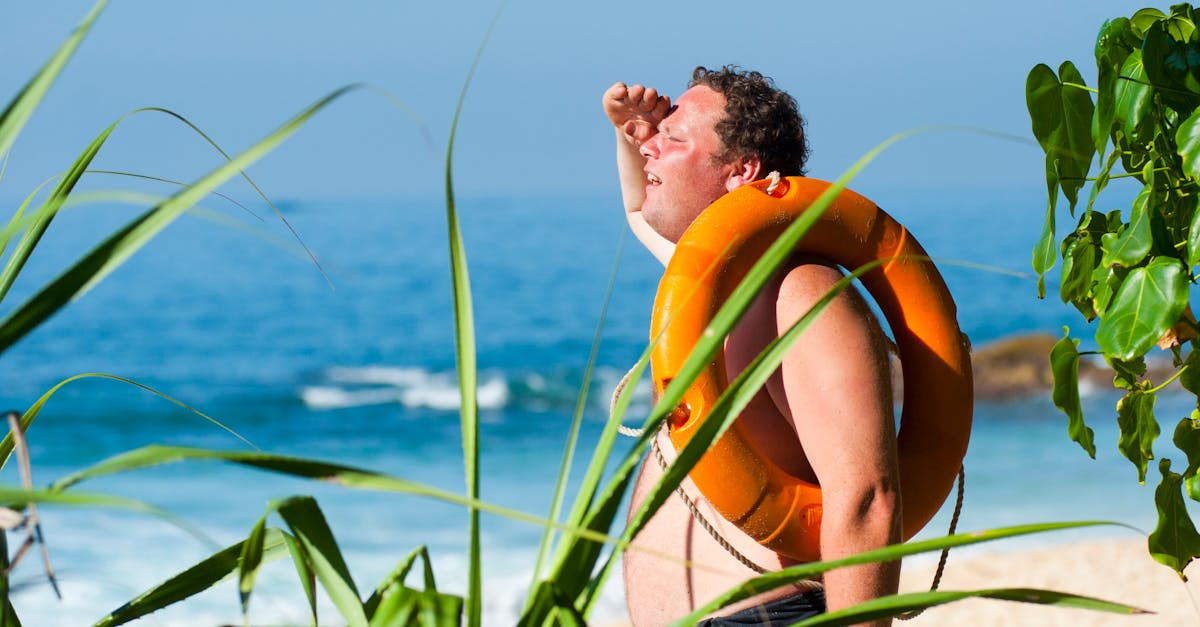
This
photo was taken by
Atlantic Ambience on Pexels.
Shoulder Season Secrets: Perfect Weather and Fewer Crowds
Stepping into Spain's shoulder seasons, typically from late March to early June and September through October, offers a magical balance that often eludes travelers during peak months. During these windows, the scorching heat of July and August mellows into a gentle, golden warmth perfect for exploring historic cities like Seville or Granada without breaking a sweat, while northern regions such as Galicia and Asturias bloom with vibrant greenery after winter rains. You'll find the days are long enough for extensive sightseeing but short enough to enjoy cozy evenings in local plazas, all while experiencing a more authentic rhythm of life where locals are less hurried and businesses operate at a relaxed pace.
Beyond the ideal climatic conditions, visiting during these transitional periods grants you the rare privilege of accessing Spain's most famous landmarks and beaches with significantly fewer crowds. The queues that once stretched for hours at the Alhambra or the Sagrada Familia shrink dramatically, allowing for a more intimate and contemplative experience, while popular coastal towns like Benidorm or the Balearic Islands remain lively yet far less congested than their summer counterparts. This timing not only enhances your travel comfort but also often translates to better value, with accommodation rates dropping and restaurant reservations becoming much easier to secure, ensuring your Spanish adventure feels exclusive and serene rather than rushed and overcrowded.
This
photo was taken by
Erik Mclean on Pexels.