Wine Tasting in Rioja and Ribera del Duero: A Sommelier's Pick
 This photo was taken by Victor Cayke on Pexels.
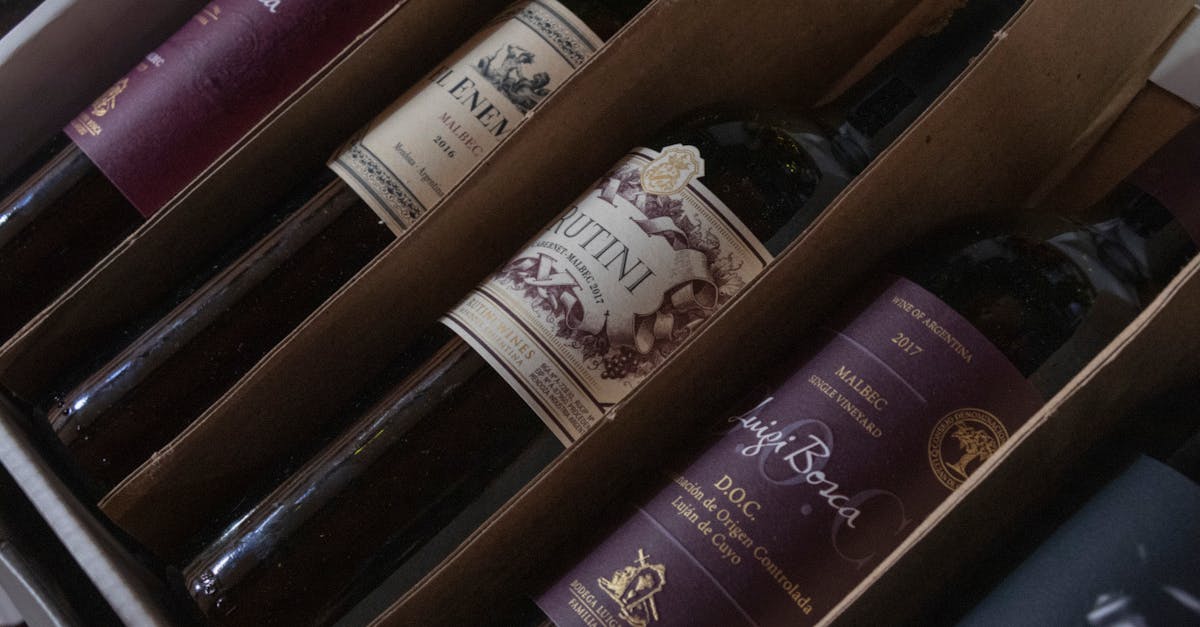
Welcome to the heart of Spanish viticulture, where centuries-old traditions meet breathtaking landscapes. As a local guide who has wandered through vineyards from dawn until dusk, I am thrilled to invite you on a sensory journey across two of Spain's most celebrated wine regions: Rioja and Ribera del Duero. In this post, we will peel back the layers of history and soil to understand the unique terroir that shapes Rioja's classic Tempranillo and explore how the high altitude of Ribera del Duero produces wines of exceptional boldness. Finally, as your personal sommelier, I will share my top picks for pairing these exquisite vintages with authentic regional dishes, ensuring your next glass is not just tasted, but truly experienced.
Discovering the Terroir: Rioja's Classic Tempranillo
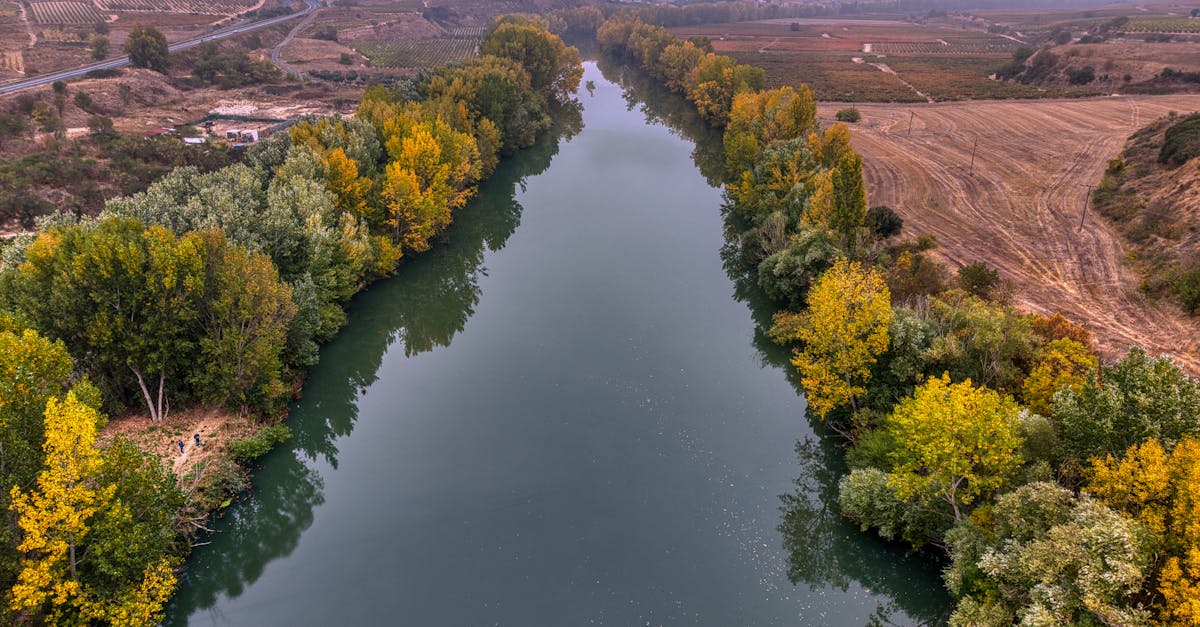
Stepping into the sun-drenched valleys of Rioja, you are immediately embraced by a landscape that has perfected the art of cultivating Tempranillo for centuries. This grape variety, the heart and soul of Spanish reds, thrives here under the unique microclimates where the cool breezes from the Cantabrian Mountains meet the warmth of the Ebro River. As you wander through vineyards dotted with traditional stone bodegas, notice how the soil composition—rich in clay and limestone—imparts a distinct mineral elegance to the wine. A glass of classic Rioja offers a symphony of flavors, ranging from ripe cherries and plums to subtle notes of vanilla and tobacco, all harmoniously balanced by the region's signature oak aging process that defines its world-renowned character.
While Ribera del Duero also boasts exceptional Tempranillo, often known locally as Tinto Fino, the terroir of Rioja provides a softer, more approachable introduction to Spain's finest varietal. Here, the winemaking tradition is deeply rooted in history, with families passing down secrets of blending and barrel maturation through generations. When you sit down for a tasting session in a historic cellar, perhaps in the charming town of Haro or Logroño, you are not just drinking wine; you are experiencing a living heritage. The result is a velvety texture and complex aroma profile that invites you to linger, making every sip a celebration of the land's generosity and the sommelier's discerning eye for quality.
 This photo was taken by José Maldonado Díaz on Pexels.
Ribera del Duero: Bold Flavors and High Altitude Wines
Just north of Madrid, the Ribera del Duero region unfolds as a dramatic landscape of high-altitude vineyards where the air is crisp and the sun shines with an intensity that ripens Tempranillo grapes to perfection. Here, winemakers embrace a rugged climate characterized by freezing winters and scorching summers, conditions that force vines to dig deep roots and produce wines of exceptional structure and concentration. The resulting reds are renowned for their bold, full-bodied character, offering intense notes of blackberry, plum, and leather, often complemented by subtle hints of vanilla and tobacco from extended aging in American oak barrels.
Unlike the softer, more floral profiles found elsewhere, the wines of Ribera del Duero demand attention with their powerful tannins and vibrant acidity, making them ideal companions for Spain's hearty grilled meats and rich stews. A visit to this historic Denominación de Origen offers a unique sensory journey through centuries-old bodegas carved into the hillsides, where you can taste the very essence of the Castilian plateau. Whether exploring the prestigious estates of Pesquera or the innovative cellars of Pingus, visitors will discover why these high-altitude wines have captivated sommeliers and connoisseurs worldwide, standing as a testament to the region's unwavering commitment to quality and tradition.
 This photo was taken by Pedro Luis Domínguez Ruiz on Pexels.
Sommelier's Top Picks: Pairing Regional Dishes with Perfect Vintages
When exploring the sun-drenched vineyards of Rioja, a sommelier's first recommendation is to pair the iconic Tempranillo-based Crianzas with the region's beloved roasted lamb or the savory flavors of Idiazábal cheese. The wine's gentle oak aging and notes of cherry and vanilla complement the rich, fatty textures of these dishes perfectly, creating a harmonious balance where neither the food nor the drink overpowers the other. For those seeking something bolder, a Gran Reserva from the same region offers complex layers of dried fruit and leather that stand up beautifully to the intense, gamey profiles of wild boar stew, a traditional staple in the Basque hinterlands just across the border.Crossing into Ribera del Duero, the journey intensifies with the powerful, full-bodied Tinto Fino wines that demand equally robust companions. Here, the sommelier's top pick is undoubtedly the local morcilla de Burgos or a slow-roasted suckling pig, whose smoky, earthy notes are elevated by the wine's deep tannins and vibrant acidity. To experience the true soul of this region, try a young but concentrated Ribera paired with Manchego cheese aged for at least six months; the sharp, nutty intensity of the cheese cuts through the wine's richness, while the wine's dark berry undertones bring out the creamy depth of the curd, offering an unforgettable culinary climax to your Spanish adventure.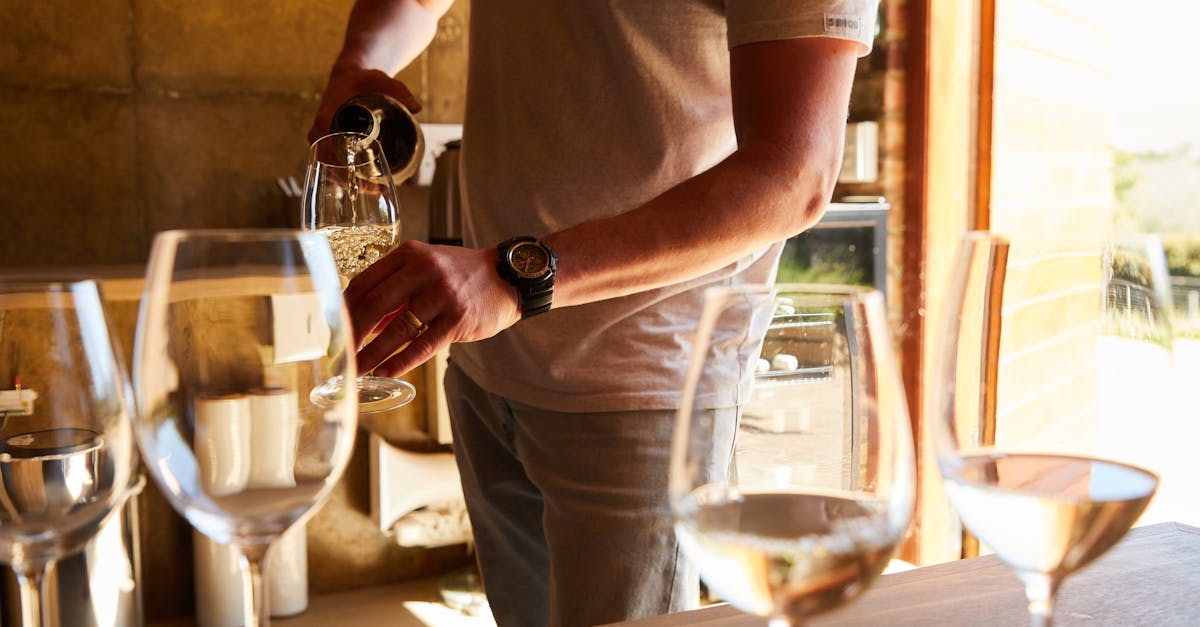 This photo was taken by Laker on Pexels.