Wine Tasting Tours: Navigating Rioja and Ribera del Duero Regions
 This photo was taken by Matheus De Moraes Gugelmim on Pexels.
Welcome to the heart of Spain's wine culture, where centuries-old traditions meet breathtaking landscapes. If you are planning a culinary adventure, few experiences rival the thrill of exploring our two most celebrated regions: Rioja and Ribera del Duero. From the lush, green valleys of La Rioja, known for their elegant Tempranillo blends, to the rugged, high-altitude plains of Castile and León that produce powerful, sun-drenched wines, each region offers a unique story waiting to be uncorked. In this guide, we will take you on a journey through the rich heritage of Rioja's vineyards, introduce you to the bold character of Ribera del Duero's high-elevation grapes, and provide you with essential logistics and tips to help you craft the perfect wine route. Get ready to sip, savor, and discover why Spanish wine tourism is an unforgettable experience.
Discovering the Heritage of Rioja's Vineyards
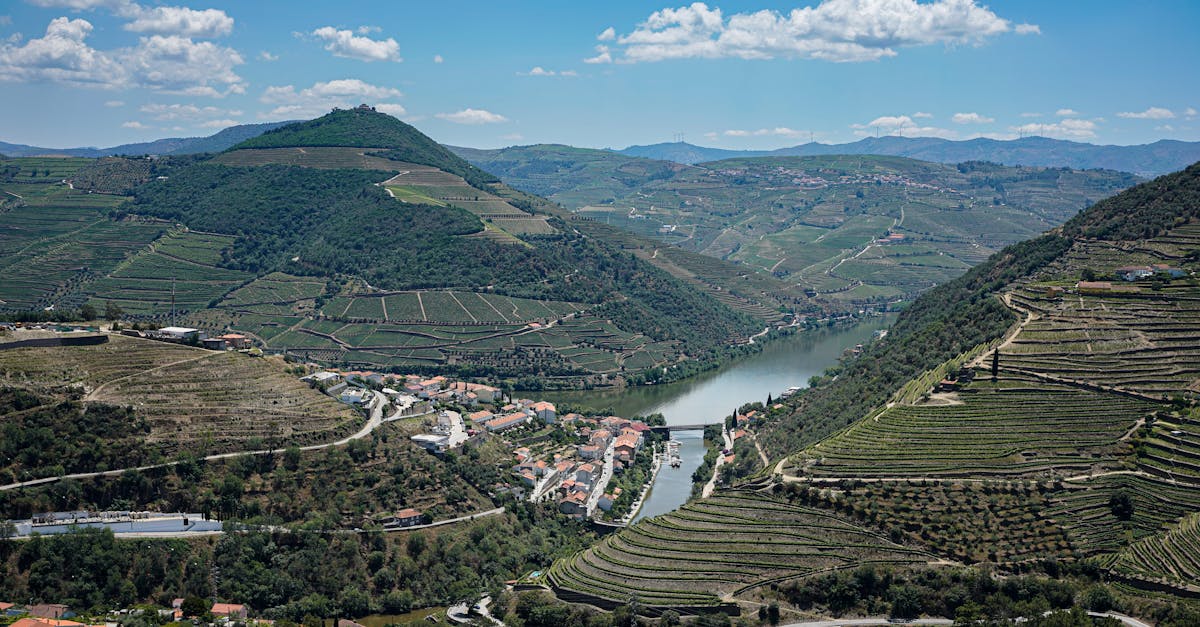
Nestled in the northern heart of Spain, the Rioja region offers a breathtaking tapestry of heritage where centuries-old winemaking traditions meet modern innovation. As you wander through the rolling hills of this UNESCO-recognized landscape, you will encounter vineyards that have been cultivated since Roman times, their roots deeply embedded in the cultural identity of La Rioja. The architecture here tells a story of its own, from the rustic stone bodegas of Haro to the grand, glass-fronted cathedrals of wine like Marqués de Riscal, each structure reflecting a unique chapter in the region's evolution. Walking among the vines, one can almost taste the history in the air, guided by local experts who share tales of family legacies and the specific microclimates that give Tempranillo grapes their distinctive character.
Beyond the scenic beauty, discovering the heritage of Rioja means engaging with a living museum of viticulture where the art of aging is revered as much as the harvest itself. Visitors are invited to step inside historic cellars filled with towering oak barrels, learning how the traditional methods of slow maturation in American and French oak impart complex notes of vanilla, spice, and leather to the final product. This immersive experience goes far beyond simple tasting; it is a deep dive into the philosophy of patience and craftsmanship that defines Spanish wine culture. Whether you are exploring the sun-drenched plains of Logroño or the cooler, misty valleys near the Ebro River, every sip connects you to a rich lineage of passion and dedication that has made Rioja a global icon for over a century.
 This photo was taken by Rafael Gonzales on Pexels.
Exploring the High-Altitude Wines of Ribera del Duero
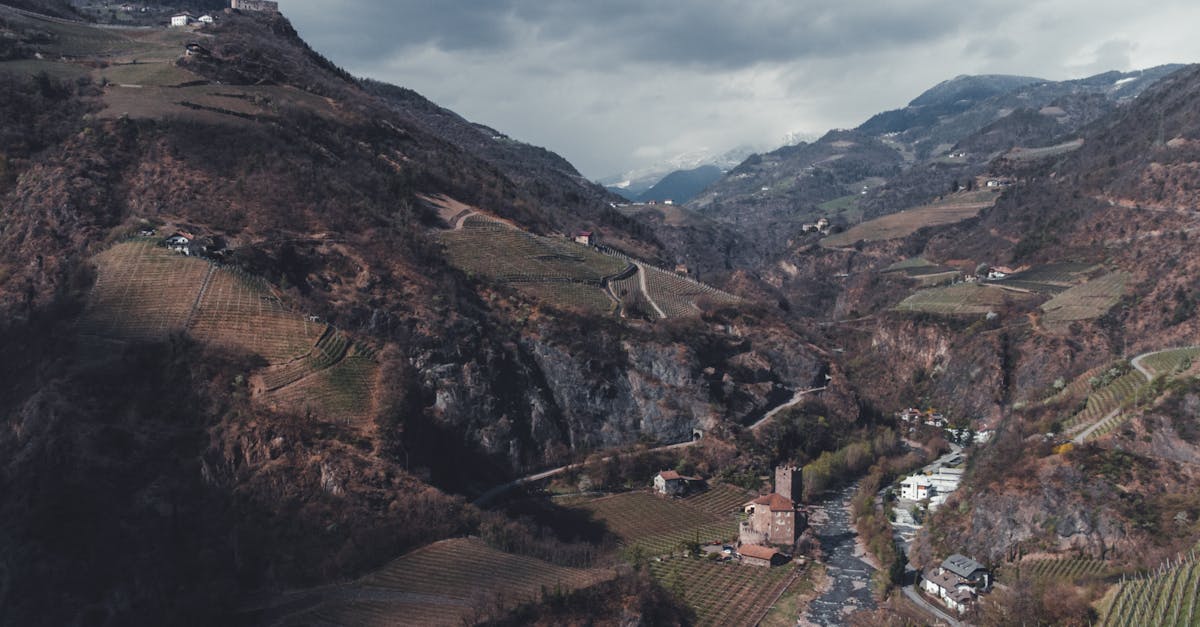
Nestled along the banks of the Duero River at altitudes exceeding 800 meters, Ribera del Duero offers a dramatic backdrop for wine enthusiasts seeking the bold character of Tempranillo, locally known as Tinto Fino. The region's extreme continental climate, with scorching summers and freezing winters, forces the vines to dig deep roots in poor, stony soils, resulting in grapes with intense concentration and thick skins that yield wines of exceptional structure and aging potential. As you traverse the rolling hills dotted with ancient bodegas carved into the earth, you will discover how this high-altitude terroir creates a unique balance between ripe fruit flavors and vibrant acidity, producing robust reds that stand shoulder-to-shoulder with the world's finest.
A tasting tour through Ribera del Duero is not merely about sampling exquisite vintages but experiencing the rugged heritage of the plateau where tradition meets modern innovation. Many historic wineries here have embraced sustainable practices while maintaining centuries-old winemaking techniques, offering visitors an intimate glimpse into the life of a Spanish vineyard. Whether you are exploring the renowned Denominación de Origen in the shadow of the Sierra de la Demanda mountains or visiting boutique cellars near Peñafiel Castle, the air itself seems infused with the essence of the grape, inviting you to savor every glass of their celebrated Crianza, Reserva, and Gran Reserva wines against the stunning backdrop of Spain's northern interior.
 This photo was taken by Mehmet Ali Turan on Pexels.
Planning Your Perfect Wine Route: Logistics and Tips
When embarking on a journey through Spain's premier wine regions, the logistics of your itinerary are just as crucial as the vintage itself. For Rioja and Ribera del Duero, renting a car is often the most flexible option, allowing you to explore hidden bodegas in towns like Haro or Peñafiel that do not cater to large tour groups. However, if driving is not preferred, consider booking private transfers with local drivers who know the winding mountain roads and can serve as knowledgeable guides; this ensures safety while you indulge in tastings without worrying about designated driving limits. It is also advisable to book your accommodations in central hubs like Logroño or Valladolid, which offer easy access to both regions, and to plan your visits during the shoulder seasons of spring or autumn for milder weather and fewer crowds.
To truly maximize your experience, remember that Spanish wineries often require reservations weeks in advance, especially for premium tours that include lunch paired with local cheeses and cured meats. Dressing comfortably yet stylishly is key, as many cellar tours involve walking on uneven stone floors and navigating cool underground vaults where temperatures drop significantly. Finally, embrace the slower pace of Spanish life by scheduling no more than two wineries per day, leaving ample time to wander through charming village plazas and savor an extended meal at a family-run restaurant. This approach allows you to fully absorb the culture and history behind every glass, transforming a simple tasting into a memorable cultural immersion.
 This photo was taken by Erik Mclean on Pexels.