Wine Tasting Tours: Exploring Rioja, Ribera del Duero, and Priorat
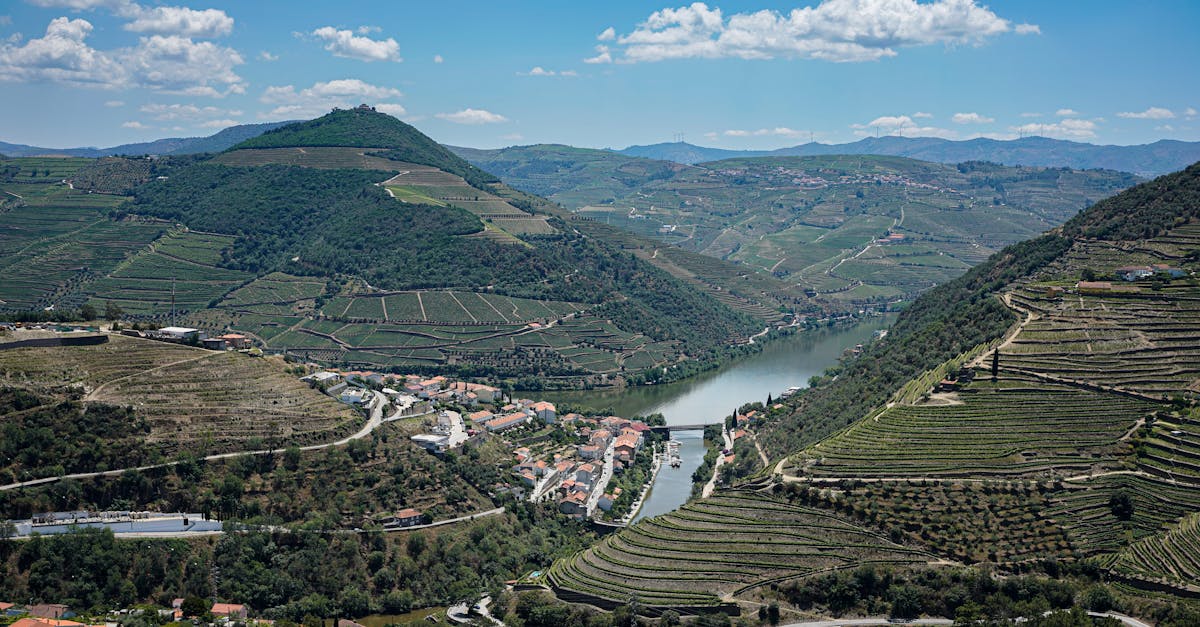 This photo was taken by Matheus De Moraes Gugelmim on Pexels.
¡Hola, amigos viajeros! Welcome to the heart of Spain's wine country, a region where every bottle tells a story of centuries-old tradition and breathtaking landscapes. As your local guide, I am thrilled to invite you on an unforgettable sensory journey through three of our most celebrated denominaciones de origen: Rioja, Ribera del Duero, and Priorat. From the misty, historic vineyards of La Rioja that have defined Spanish winemaking for generations, to the sun-drenched high-altitude slopes of Ribera del Duero producing bold, powerful reds, and finally to the rugged, slate-strewn hills of Priorat with its mysterious llicorella soil. In this post, we will uncork the secrets of these unique terroirs, explore their rich histories, and discover why tasting wine here is not just about the drink, but about immersing yourself in the very soul of Spain. ¡Salud y buen viaje!
This photo was taken by Matheus De Moraes Gugelmim on Pexels.
¡Hola, amigos viajeros! Welcome to the heart of Spain's wine country, a region where every bottle tells a story of centuries-old tradition and breathtaking landscapes. As your local guide, I am thrilled to invite you on an unforgettable sensory journey through three of our most celebrated denominaciones de origen: Rioja, Ribera del Duero, and Priorat. From the misty, historic vineyards of La Rioja that have defined Spanish winemaking for generations, to the sun-drenched high-altitude slopes of Ribera del Duero producing bold, powerful reds, and finally to the rugged, slate-strewn hills of Priorat with its mysterious llicorella soil. In this post, we will uncork the secrets of these unique terroirs, explore their rich histories, and discover why tasting wine here is not just about the drink, but about immersing yourself in the very soul of Spain. ¡Salud y buen viaje!
The Historic Vineyards of Rioja: A Journey Through Time
Nestled in the shadow of the Cantabrian Mountains, the historic vineyards of Rioja offer a captivating journey through time where ancient traditions meet modern winemaking excellence. As you wander through the cobblestone streets of Haro, often called the "Wine Capital," you will discover bodegas that have been producing world-class wines for over two centuries, their cellars lined with barrels that have witnessed generations of harvests. The region's unique microclimate and diverse soils create an ideal canvas for the Tempranillo grape, resulting in wines that perfectly balance the fruitiness of youth with the complex, earthy notes developed during long aging in American oak. Each sip tells a story of resilience and heritage, inviting you to taste the very history of Spanish viticulture.
Beyond the famous labels, exploring these historic estates provides an intimate look at the slow, deliberate pace of life that defines La Rioja. Many family-run wineries still employ methods passed down from grandfather to grandson, such as foot-treading grapes or hand-harvesting in the crisp autumn air, ensuring that every bottle retains its authentic character. Whether you are strolling through the lush green valleys of the Alavesa sub-region or visiting the stone-walled caves of the traditional Rioja Alta, the landscape itself feels like a living museum dedicated to the art of wine. This deep connection between the land, the people, and the liquid gold they produce makes a tour here not just a tasting experience, but a profound cultural immersion into Spain's most celebrated wine tradition.
 This photo was taken by Erik Mclean on Pexels.
Ribera del Duero: Where Bold Reds Meet High Altitude
Ribera del Duero: Where Bold Reds Meet High Altitude
Nestled along the banks of the Duero River in northern Spain, Ribera del Duero offers a dramatic landscape where ancient vineyards cling to plateaus soaring above 800 meters. This high-altitude terroir subjects the vines to scorching summers and freezing winters, conditions that stress the plants just enough to produce Tempranillo grapes with intense concentration, deep color, and robust tannins. As you traverse this historic region, often called "the valley of kings," you will discover centuries-old bodegas carved into limestone cliffs, many of which have been crafting world-class wines since the Middle Ages. The air here is crisp and dry, preserving the fruit's freshness while imparting a unique minerality that defines the area's signature style.
A wine tasting tour through Ribera del Duero is an immersive journey into the heart of Spanish winemaking tradition, where modern innovation meets time-honored techniques. Visitors can explore renowned estates like Vega Sicilia and Pingus, or venture into smaller family-run wineries that offer intimate tastings paired with local delicacies such as jamón ibérico and grilled lamb. Unlike the softer profiles found elsewhere, the bold reds of this region demand attention, offering complex notes of dark cherry, leather, tobacco, and spice that pair perfectly with the hearty cuisine of Castile. Whether you are a seasoned oenophile or a curious traveler, the rugged beauty and powerful character of Ribera del Duero provide an unforgettable experience for any wine lover exploring Spain.
This photo was taken by Erik Mclean on Pexels.
Priorat's Unique Terroir: The Power of Llicorella Soil
While Rioja and Ribera del Duero offer their own distinct charms, the Priorat region stands apart with a geological foundation that is nothing short of extraordinary. Here, the vines struggle to survive in a landscape dominated by llicorella, a unique soil composed of crushed slate and quartzite that glimmers like mica under the Mediterranean sun. This rocky terrain forces the roots of the Garnacha and Cariñena grapes to dig deep into fissures just inches below the surface in search of water and minerals, resulting in wines of intense concentration, striking minerality, and a profound sense of place that cannot be replicated anywhere else in Spain.
The influence of this ancient soil extends beyond mere flavor; it creates a microclimate where heat radiates from the dark slabs during the day and releases warmth at night, ensuring perfect ripening even in these high-altitude vineyards. When you embark on a wine tasting tour through Priorat, you are not just sampling exceptional vintages but experiencing the very heartbeat of the land itself. The resulting wines possess a bold, almost volcanic character that tells the story of a rugged history and a terroir so powerful that it has elevated Priorat to one of the most prestigious wine-producing regions in the world.
This photo was taken by Erik Mclean on Pexels.