Wine Lovers' Paradise: Exploring Rioja, Ribera del Duero, and Priorat
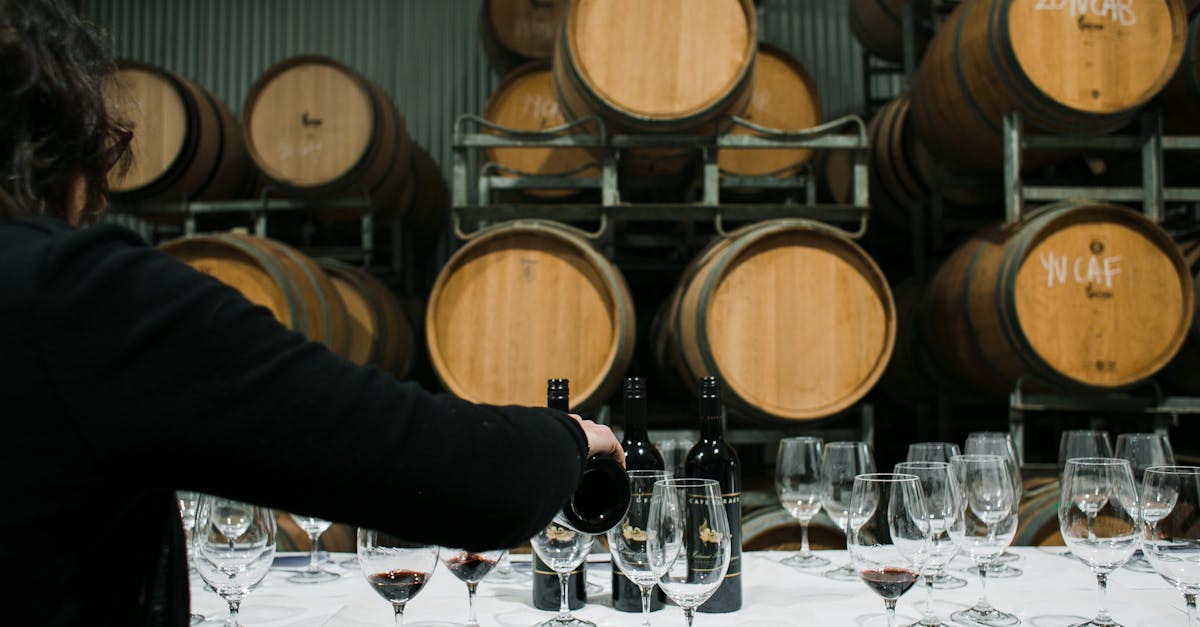 This photo was taken by Rachel Claire on Pexels.
Welcome to the heart of Spanish viticulture, where ancient traditions meet breathtaking landscapes. As we embark on this journey through our country's most celebrated wine regions, you will discover why Spain is a true paradise for those who cherish a fine glass of red. From the rolling vineyards of Rioja, known for their sophisticated Tempranillo, to the high-altitude peaks of Ribera del Duero yielding bold and powerful wines, and finally to the rugged, slate-strewn slopes of Priorat producing mineral-driven masterpieces, each region offers a unique story in every bottle. Get ready to uncork the flavors of history and terroir as we explore the three pillars that define Spanish excellence.
The Timeless Elegance of Rioja's Tempranillo
Nestled in the heart of northern Spain, the Rioja region offers a masterclass in the art of winemaking, anchored by its celebrated Tempranillo grape. This varietal, often described as the soul of Spanish wine, thrives under the unique microclimates of La Rioja, where the interplay of Atlantic moisture and continental heat creates grapes with a perfect balance of acidity and ripeness. When you uncork a bottle of aged Rioja Reserva or Gran Reserva, you are tasting history; these wines undergo extended periods in American oak barrels, developing a sophisticated profile that blends notes of ripe cherry, vanilla, and leather with an elegant, silky texture that has captivated palates for centuries.
The timeless elegance of Tempranillo is not merely about flavor but also about the profound sense of place it conveys to every visitor who tours the vineyards along the Camino de Santiago. As you stroll through historic bodegas like those in Haro's "Wine Street," the air is thick with the aroma of aging wood and fermenting fruit, inviting you to slow down and savor the tradition. Whether enjoyed alongside a plate of local pintxos in Logroño or paired with a slow-cooked lamb dish in a rustic village tavern, the warmth and depth of a well-crafted Tempranillo serve as the perfect companion to the rich cultural tapestry of this renowned wine paradise.
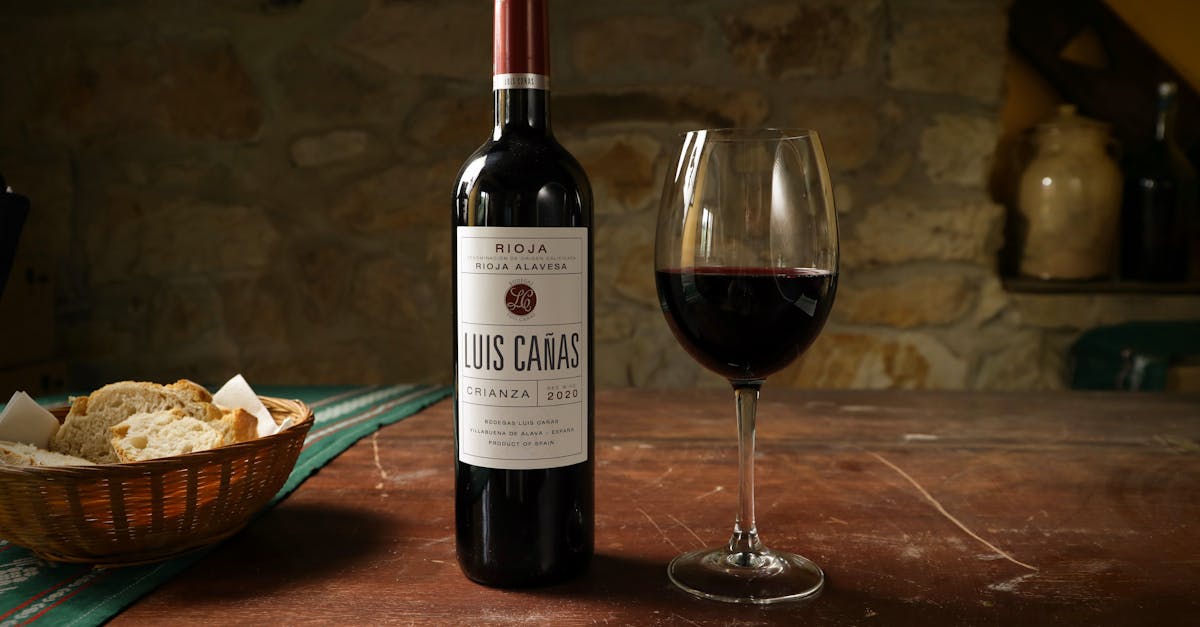 This photo was taken by José Antonio Otegui Auzmendi on Pexels.
Ribera del Duero: Bold Reds from High Altitude
Nestled along the winding banks of the Duero River, Ribera del Duero stands as a testament to Spain's dramatic landscapes and its mastery of the Tempranillo grape. Here, vineyards climb to dizzying altitudes between 750 and 850 meters above sea level, where the intense sunlight during the day and the sharp drop in temperature at night create a perfect equilibrium for the grapes to develop thick skins and complex flavors. This unique microclimate allows winemakers to craft robust, full-bodied red wines that boast deep ruby hues, notes of dark berries, and a distinct spicy character, all while maintaining a refreshing acidity that prevents them from ever feeling heavy or cloying.
While the region is often overshadowed by its neighbor Rioja, Ribera del Duero has quietly earned a reputation as a sanctuary for wine connoisseurs seeking power and elegance in equal measure. The area is home to legendary estates like Vega Sicilia and Pingus, but it also offers a welcoming array of family-run bodegas where visitors can tour ancient stone cellars carved directly into the earth. Whether you are sipping a young Crianza with a simple tapas spread or exploring the grandeur of a Gran Reserva aged in American oak, a journey through this high-altitude paradise promises an unforgettable sensory experience that captures the very soul of Castile's rugged terrain.
 This photo was taken by Jakub Pabis on Pexels.
Priorat: The Mineral-Driven Wines of the Mountains
Nestled in the rugged, mountainous terrain of Catalonia, Priorat offers a dramatic departure from the rolling hills of other Spanish regions, characterized by its unique llicorella soil—a fragile mosaic of slate and quartz that imparts an unmistakable mineral intensity to every glass. This steep, terraced landscape forces vines to dig deep for water and nutrients, resulting in small berries with concentrated flavors that translate into powerful, full-bodied reds made primarily from Garnacha and Cariñena. Unlike the more approachable styles found elsewhere, Priorat wines are known for their bold structure, dark fruit notes, and a distinct stony finish that reflects the harsh yet beautiful environment where they are grown.
Visiting this wine lover's paradise means wandering through narrow stone villages like Gratallops or Porrera, where centuries-old vineyards cling precariously to the mountainsides under the watchful gaze of ancient monasteries. The region has undergone a remarkable renaissance since the 1980s, transforming from obscurity into one of Spain's most prestigious denominations, attracting top winemakers who craft modern interpretations of traditional methods. Whether you are touring a family-run bodega tucked into a cliffside or enjoying a sunset tasting overlooking the valley, the experience is as much about the soul of the land as it is about the exceptional, age-worthy wines that have put this remote corner of Spain on the global map.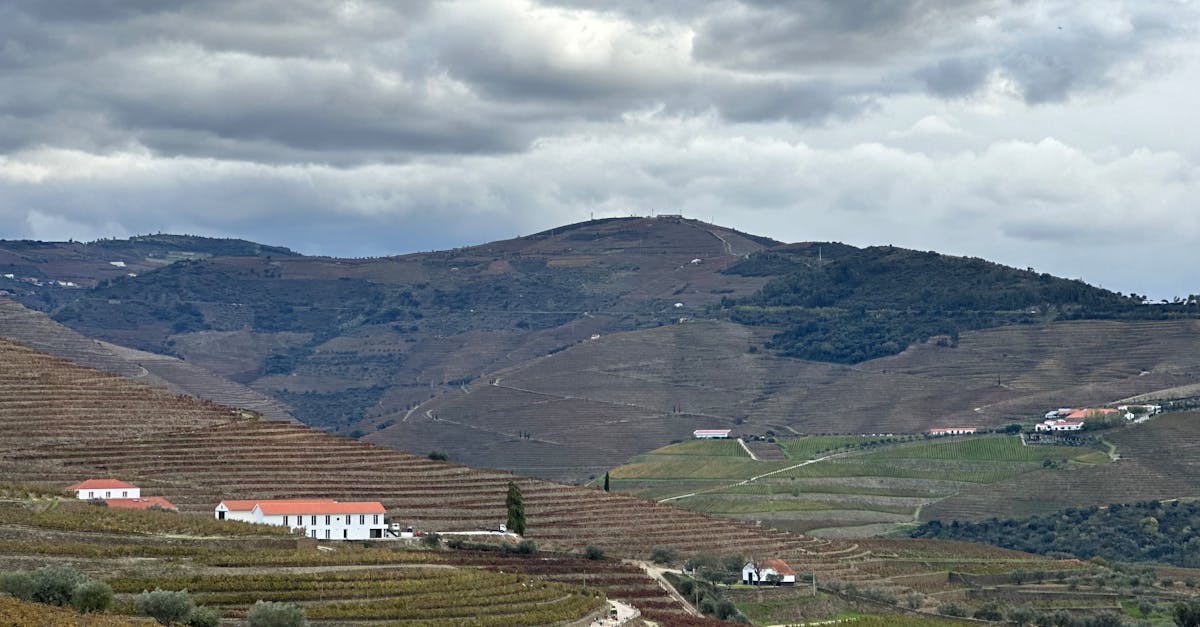 This photo was taken by Sergei Gussev on Pexels.