 This photo was taken by Jean-Paul Wettstein on Pexels.
Bienvenidos a Spain! There is a path that has called to travelers, pilgrims, and dreamers for over a thousand years, winding through the lush green hills of Galicia and the historic stone towns of Castile. The Camino de Santiago is more than just a long-distance hike; it is a profound journey of self-discovery, community, and cultural immersion that transforms everyone who walks its cobblestones. Whether you are seeking spiritual renewal or simply an unforgettable adventure in one of Europe's most beautiful landscapes, this guide will help you prepare for the experience of a lifetime. In the following pages, we will explore how to choose the perfect route and season for your needs, what essential gear and physical conditioning you require, and the crucial details about obtaining your Pilgrim's Credentials to ensure your journey begins with confidence.
Choosing Your Route and Season
Choosing the right route for your pilgrimage is as personal as the journey itself, with the famous Camino Francés offering the most social and well-marked experience ideal for first-timers, while the rugged coastal paths of the Camino del Norte or the historic Via de la Plata provide a more solitary and challenging alternative. Before booking your flights, consider your physical fitness and time availability; shorter sections like the Portuguese Way from Porto can be completed in just two weeks, whereas longer treks require months of preparation. As a local guide, I always recommend mixing popular stretches with quieter segments to avoid overcrowding during peak times, ensuring you find moments of genuine reflection amidst the thousands of fellow walkers.
The timing of your trip dramatically influences both the atmosphere and the practicalities of the walk, with spring (April to June) and autumn (September to October) being the golden windows when mild temperatures and blooming landscapes create perfect walking conditions. Summer brings vibrant energy but also intense heat, particularly on the Meseta plateau, and forces you to contend with long queues at hostels, while winter offers profound silence and fewer crowds, though you must be prepared for snow, ice, and early sunsets that can make navigation tricky. Ultimately, the season you choose defines the rhythm of your days, so weigh your tolerance for weather extremes against your desire for community before committing to your start date.
This
photo was taken by
Nguyen Hong Quan on Pexels.
Essential Gear and Physical Preparation
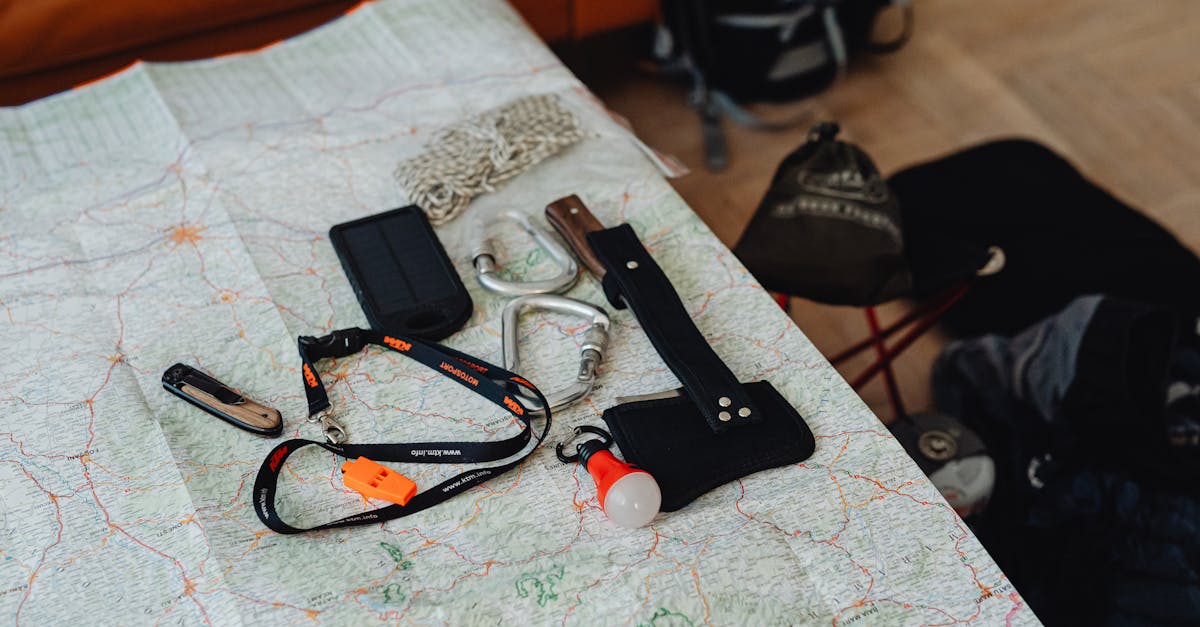
Before you lace up your boots for the pilgrimage, investing in the right gear is paramount to ensuring a comfortable journey along the Camino de Santiago. Your footwear must be your top priority; break in high-quality, lightweight hiking boots or trail shoes well in advance to prevent painful blisters on the cobblestones and dirt paths. Beyond your feet, pack a lightweight, breathable backpack that fits perfectly, ideally with a capacity between 30 and 45 liters, and remember the golden rule: keep your total load under ten kilograms. Essential items include moisture-wicking clothing layers, a reliable rain poncho, a universal power bank for charging devices, and a sturdy walking stick to reduce strain on your knees during long descents.
Physical preparation is equally critical, as the Camino is a test of endurance rather than speed. While you do not need to be an elite athlete, consistent cardiovascular training is necessary; aim to build up your stamina by walking at least three to four times a week for several months prior to your departure, gradually increasing your distance and elevation gain. Incorporate strength training focusing on your core, legs, and back to help carry your pack efficiently, and consider doing practice hikes with a fully loaded backpack to simulate the daily demands of the route. Finally, listen to your body and prioritize rest days and stretching routines to maintain flexibility, ensuring you are mentally and physically ready to embrace the transformative experience of reaching Santiago de Compostela.
This
photo was taken by
www.kaboompics.com on Pexels.
Understanding the Pilgrim's Credentials
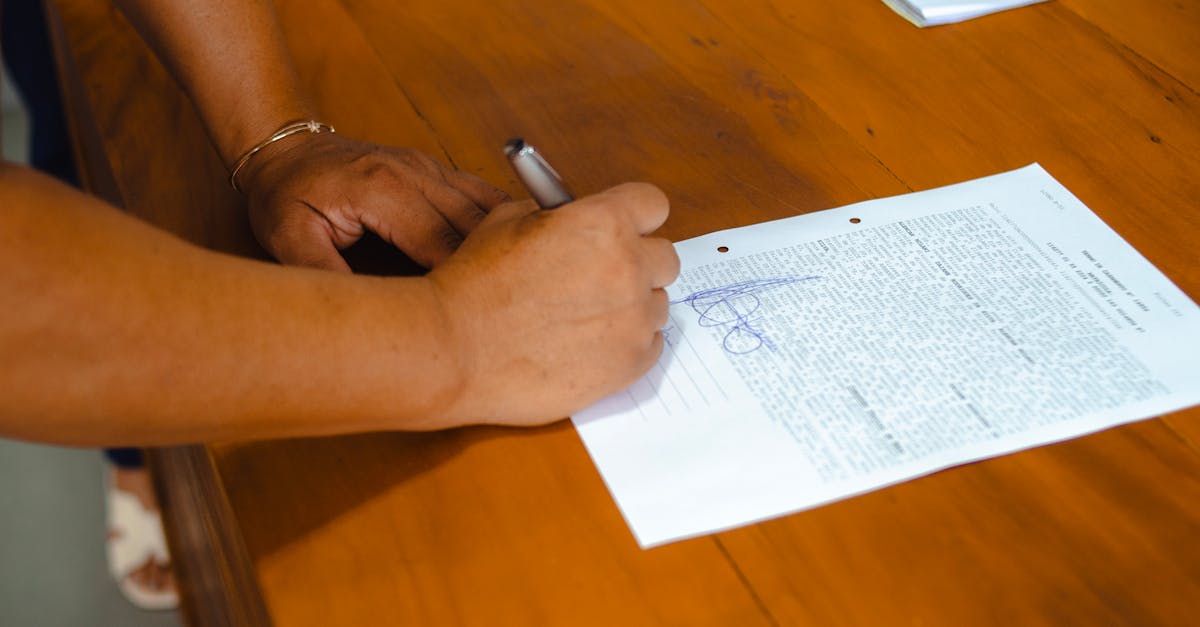
As you prepare to embark on the Camino de Santiago, one of your most essential tasks is obtaining your Credencial del Peregrino, or Pilgrim's Credential. This small booklet serves as both your passport and diary for the journey, granting you access to the exclusive network of public albergues (hostels) along the route where beds are reserved strictly for pilgrims. You can pick up this document from major pilgrimage associations in Spain, such as the Real Sociedad Económica de Amigos del País, or at various churches and tourist offices before you start walking. It is vital that you carry it with you at all times, as staff at accommodations will stamp it upon arrival to verify your identity and confirm your status as a true traveler.
The significance of your credential extends far beyond mere lodging; it is the key to receiving the famous Compostela certificate upon reaching Santiago de Compostela. To qualify for this prestigious diploma, which recognizes your spiritual or cultural achievement, you must collect stamps in your book: at least two per day if traveling by foot or horseback, and one per day if cycling. These stamps, obtained from local businesses, churches, hostels, or even cafés, provide irrefutable proof that you have completed the final 100 kilometers (or 200 kilometers if starting from the east) of the journey. Without these daily validations, the authorities at the Pilgrim's Office in Santiago will be unable to issue your official certificate, making the diligent maintenance of your credential a fundamental part of the Camino experience.
This
photo was taken by
Matheus Lara on Pexels.