Walking the Camino de Santiago: What Every Pilgrim Needs to Know
 This photo was taken by Erik Mclean on Pexels.
Welcome, fellow wanderers! As a local guide who has walked every step of the Camino de Santiago countless times, I know that this ancient pilgrimage is far more than just a journey on foot; it is a transformative experience that weaves through the heart of Spain's landscapes and history. Whether you are drawn to the historic grandeur of the French Way or the refreshing breeze of the coastal routes, preparation is your greatest companion. In this guide, we will walk you through selecting the perfect path for your spirit, packing light but smart for the long haul, and navigating the unique culture of albergues, local cuisine, and the timeless etiquette that binds pilgrims together from start to finish. Get ready to lace up your boots and discover everything you need to know before taking your first step toward Santiago.
Choosing Your Route: From the French Way to the Coastal Paths
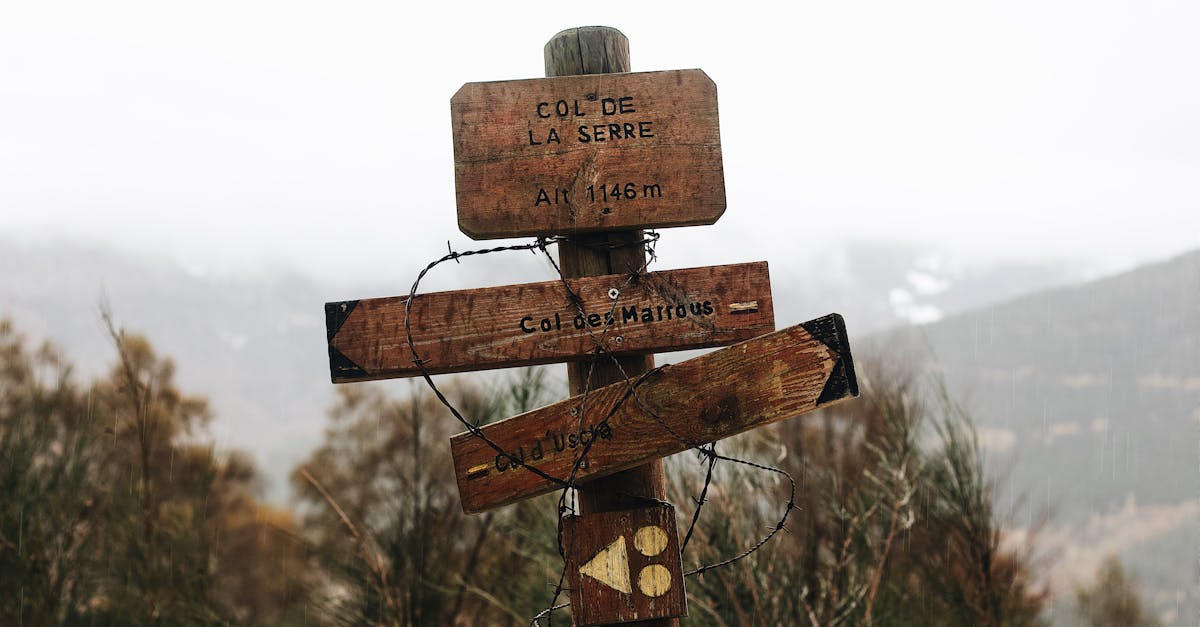
When embarking on the Camino de Santiago, your chosen route will define the very soul of your pilgrimage, with the iconic Camino Francés remaining the most popular choice for first-timers. Starting in Saint-Jean-Pied-de-Port, this historic path winds through the dramatic Pyrenees and across the golden plains of Castile, offering a profound sense of tradition as you walk alongside centuries-old pilgrims along cobblestone streets and Roman roads. While it can be crowded during peak seasons, the well-marked infrastructure, abundant albergues, and rich cultural heritage make it an accessible and deeply moving journey that truly captures the essence of the Spanish Camino experience.
For those seeking a more tranquil or scenic alternative, Spain's coastal paths offer a breathtaking contrast to the interior highlands, particularly the Camino del Norte which hugs the rugged northern coastline from Irun to Santiago. This route takes you past pristine beaches, fishing villages, and the lush green landscapes of Asturias and Galicia, providing a cooler climate and stunning ocean vistas that soothe the spirit without the intense heat found further south. Whether you prefer the challenging climbs of the French Way or the rhythmic sound of waves lapping against the shore on the coast, selecting your path is the first step toward transforming a simple walk into a life-changing adventure through the heart of Spain.
 This photo was taken by Maël BALLAND on Pexels.
Essential Gear and Packing Tips for the Long Haul
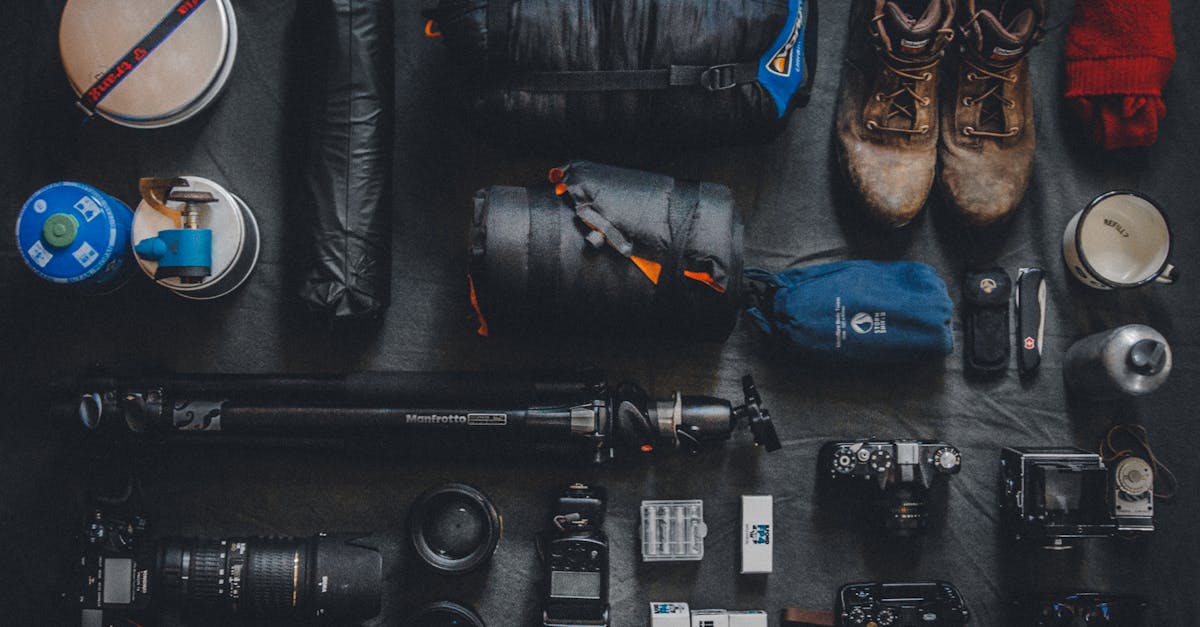
When embarking on the Camino de Santiago, your backpack is your entire world, so mastering the art of lightweight packing is paramount. Aim to keep your total load under 10% of your body weight by prioritizing quality over quantity; a durable, breathable 40-50 liter pack with a rain cover is non-negotiable for our unpredictable weather. Essential gear should include broken-in hiking boots that are already molded to your feet to prevent blisters, moisture-wicking socks, and versatile layers like merino wool base layers and a lightweight waterproof shell rather than heavy cotton t-shirts. Remember that you will be walking through diverse terrains, from the rocky paths of Galicia to the sun-baked plains of Castile, so investing in a good pair of trekking poles can significantly reduce knee strain during long descents.
Beyond physical equipment, your mental preparation and specific accessories make or break the journey. Always carry a basic first-aid kit with blister plasters (Compeed is a pilgrim favorite), antiseptic wipes, and pain relievers, as medical services are available but not always immediately accessible. Don't forget practical items like a refillable water bottle, a headlamp for early morning starts or late arrivals at hostels, and a small padlock for securing your belongings in communal dormitories. Finally, pack a digital copy of your credentials (Credencial del Peregrino) alongside the physical booklet, along with a portable power bank, because staying connected to share your experience while ensuring your devices remain charged is vital for navigating the route's increasingly popular trails.
 This photo was taken by Alex Andrews on Pexels.
Understanding Albergues, Food, and Pilgrim Etiquette
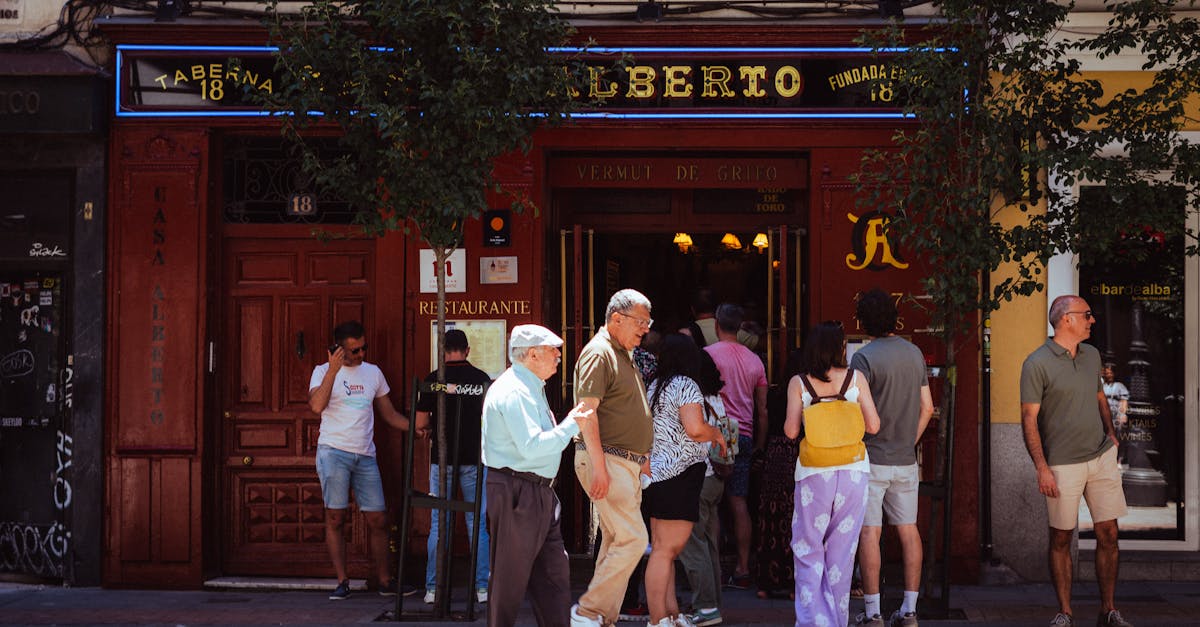
Accommodation on the Camino is primarily found in albergues, or pilgrim hostels, which offer simple, dormitory-style lodging at very affordable rates to support walkers of all budgets. These facilities are often run by volunteers or religious orders and operate on a first-come, first-served basis, so arriving early in the afternoon is crucial to securing a bed; while many require you to bring your own sleeping bag liner, some provide them for a small fee. When it comes to sustenance, the journey offers a unique culinary experience ranging from hearty communal dinners to quick tortilla de patatas (potato omelets) and fresh bread available at local bakeries, but be prepared to eat simply as you walk long distances without heavy luggage.
Navigating the social fabric of the Camino requires an understanding of unspoken etiquette that fosters a spirit of camaraderie among strangers. Pilgrims are expected to respect quiet hours in the albergues, keep personal belongings tidy within shared spaces, and always clean up after themselves in the kitchen areas to maintain the cleanliness of these communal homes. Furthermore, showing gratitude by saying "Gracias" or "Buen Camino" to locals and fellow travelers is essential, as the path thrives on mutual respect and the shared goal of reaching Santiago de Compostela, making every interaction a chance to connect with the rich culture of Spain.
 This photo was taken by Altamart on Pexels.