Walking the Camino de Santiago: A Spiritual and Scenic Pilgrimage
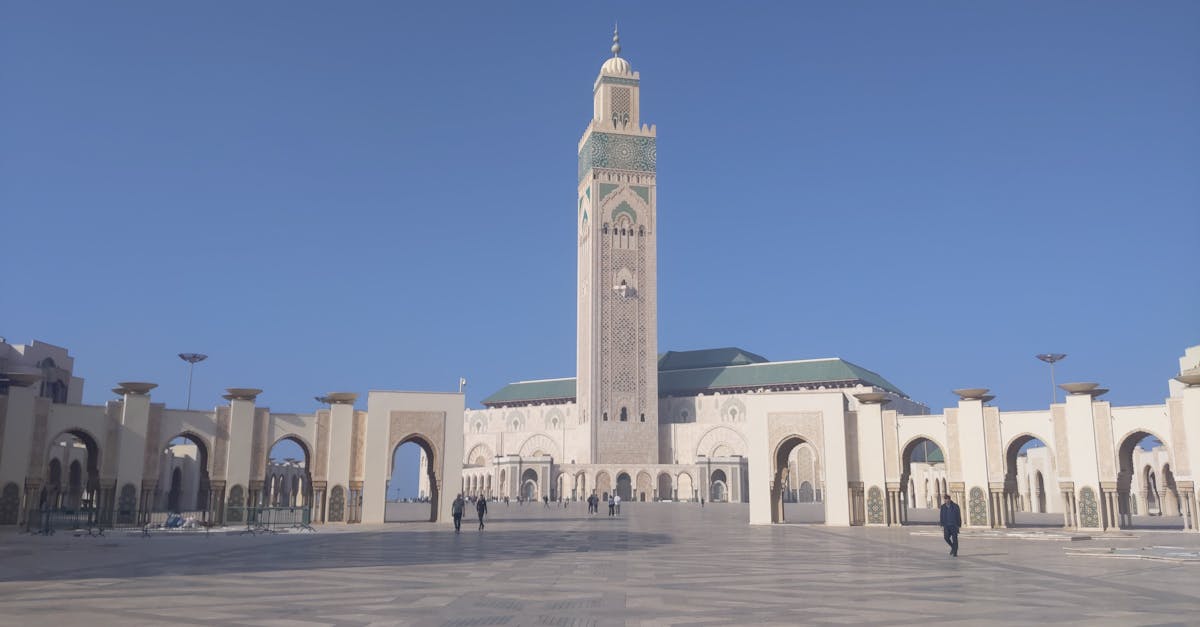 This photo was taken by Nomad Photographer on Pexels.
Welcome, travelers! There is a unique magic that flows through the ancient stone paths of Spain, inviting souls to leave behind the noise of modern life and embrace a journey of profound transformation. The Camino de Santiago is far more than a trek; it is a living tapestry woven from rugged landscapes, centuries-old traditions, and the shared footsteps of pilgrims from every corner of the globe. Whether you seek spiritual renewal, physical challenge, or simply a deeper connection with the soul of this beautiful country, this pilgrimage offers a path like no other. In this post, we will guide you through essential preparations for your gear and route selection, explore the deep heart of faith and community that defines the experience, and uncover the hidden gems and local customs waiting just off the beaten track. Let us walk together into the legend.
Preparing Your Journey: Gear, Routes, and Logistics
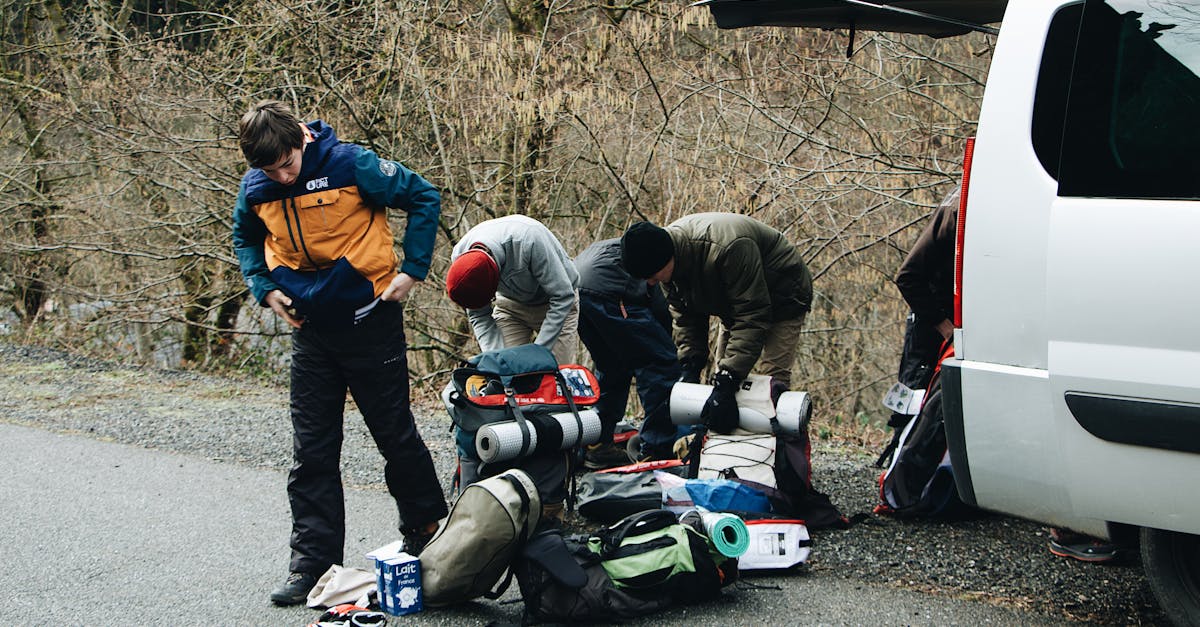
Before you embark on this transformative journey, packing light is the golden rule of the Camino; your backpack should ideally weigh no more than 10% of your body weight to protect your knees during the long days ahead. Essential gear includes a well-broken-in pair of hiking boots or trail runners, moisture-wicking socks to prevent blisters, and a lightweight rain jacket that can withstand Spain's unpredictable weather. Don't forget your pilgrim credential (credencial), which serves as both your passport for staying in albergues and a record of stamps to collect upon reaching Santiago de Compostela, alongside a sturdy walking stick that can provide stability on uneven terrain and ease the strain on your joints.
Logistically, planning your route depends heavily on your available time and physical fitness, with the popular French Way offering a classic 800-kilometer path from Saint-Jean-Pied-de-Port to Santiago, while shorter alternatives like the Portuguese Way or the Northern Route offer different landscapes and fewer crowds. Most pilgrims find it best to book accommodation in advance only for the first few nights, leaving the rest flexible to accommodate daily fatigue levels, though summer months require earlier reservations due to high demand. Familiarize yourself with the local bus networks and taxi services for emergency returns, and remember that the Camino is a communal experience where sharing water, food tips, and encouragement with fellow walkers often becomes just as memorable as the destination itself.
 This photo was taken by Maël BALLAND on Pexels.
The Heart of the Camino: Faith, Reflection, and Community
At the core of the Camino de Santiago lies a profound journey that transcends mere physical exertion, inviting pilgrims to explore the depths of their own faith and inner reflection. As you traverse the ancient stone paths from the Pyrenees to the green hills of Galicia, the rhythm of your footsteps often becomes a meditative chant, stripping away the noise of modern life to reveal a quiet space for contemplation. Whether you are seeking spiritual renewal, personal healing, or simply a deeper connection with history, the Camino offers a unique sanctuary where silence speaks louder than words, allowing each walker to rewrite their narrative under the vast Spanish sky.
Yet, this deeply personal quest is never undertaken in isolation; it is woven together by an enduring sense of community that defines the pilgrimage experience. Along the way, you will share stories, laughter, and even tears with fellow travelers from every corner of the globe, united by a common goal and the simple camaraderie of walking side by side. The humble albergues, bustling with diverse voices and shared meals, serve as temporary homes where strangers become friends, creating a vibrant tapestry of human connection that reinforces the belief that we are all part of something greater than ourselves on this sacred path toward Santiago de Compostela.
 This photo was taken by DS stories on Pexels.
Beyond the Cathedral: Hidden Gems and Local Traditions
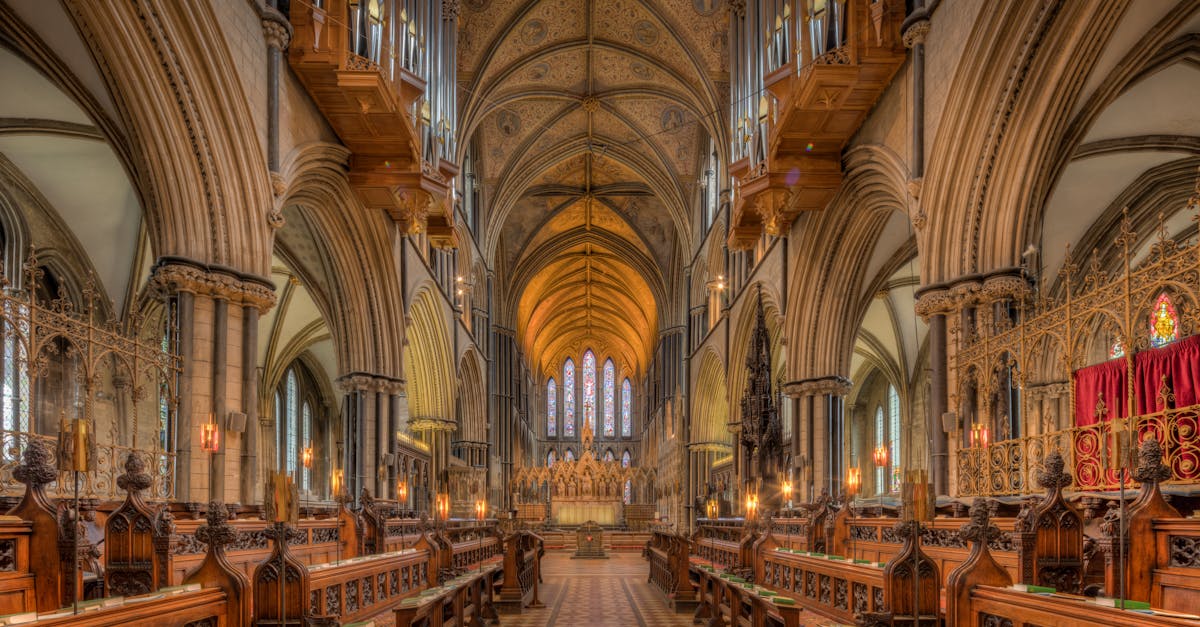
While the magnificent cathedrals of León, Burgos, and Santiago de Compostela often steal the spotlight, the true soul of the Camino lies in its quiet, overlooked corners. Venture off the main cobblestone path to discover medieval villages like Castrojeriz or the artistic sanctuary of San Juan de Ortega, where time seems to stand still. These hidden gems offer a chance to witness daily life as it has been lived for centuries, from bustling local markets selling fresh cheeses and cured hams to ancient Romanesque churches tucked away in vineyards. It is here, far from the crowds, that you can truly connect with the landscape's rugged beauty and hear stories passed down through generations by friendly locals who take pride in sharing their heritage.
Beyond the scenery, immersing yourself in local traditions transforms a simple walk into a profound cultural experience. In many towns along the route, pilgrims are invited to participate in age-old customs, such as the communal evening meals known as "comidas de peregrinos" or the ceremonial ringing of bells at dawn. You might find yourself joining a group of villagers for a traditional folk dance in a village square or tasting a glass of regional wine paired with tapas in a family-run tavern that has welcomed travelers for hundreds of years. By engaging with these living traditions, you not only honor the spiritual legacy of the pilgrimage but also forge genuine connections with the people who keep these ancient paths alive.
 This photo was taken by Michael D Beckwith on Pexels.