Walking the Camino de Santiago: A Spiritual and Scenic Adventure
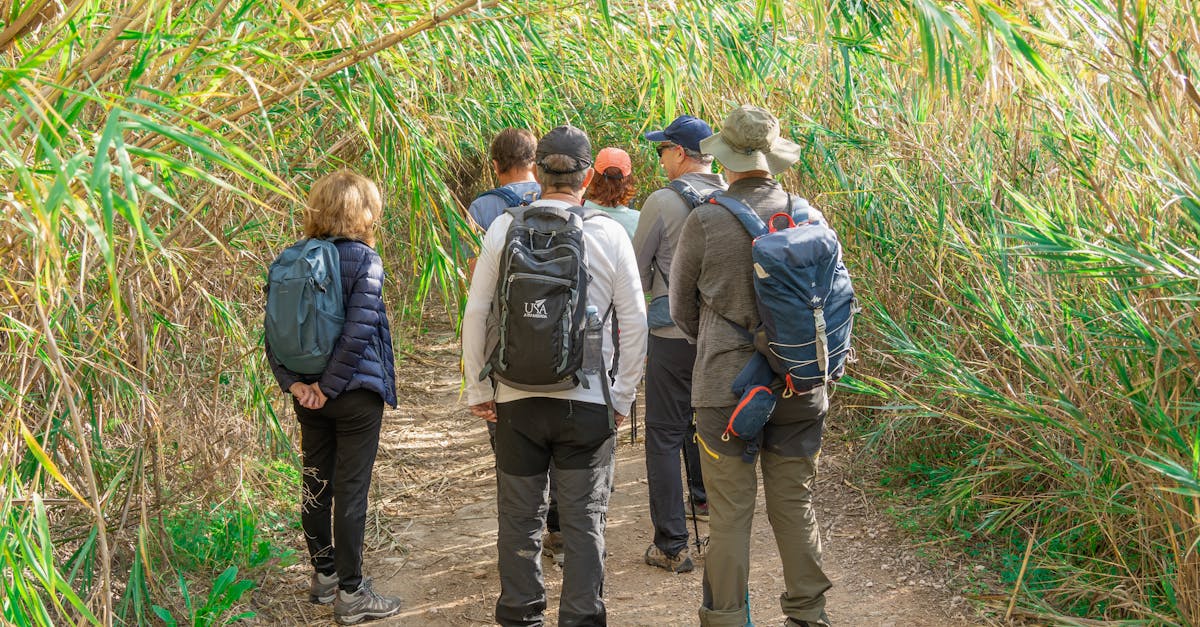 This photo was taken by Emilio Sánchez Hernández on Pexels.
Welcome to the heart of Spain, where ancient paths wind through rolling hills, misty forests, and sun-drenched coastal cliffs. The Camino de Santiago is far more than a simple hike; it is a timeless journey that has drawn pilgrims from every corner of the globe for over a millennium. Whether you are seeking physical challenge, breathtaking landscapes, or a profound moment of spiritual introspection, this pilgrimage offers a unique blend of history and nature that transforms the traveler along the way. In this post, we will guide you through selecting the perfect route—from the rugged beauty of the Coastal Camino to the historic French Way—and equip you with the essential gear and practical tips needed for a safe and rewarding experience. Join us as we explore how finding reflection in every stone can turn a long walk into a life-changing adventure.
Choosing Your Route: From the Coastal Camino to the Ancient French Way
When embarking on the Camino de Santiago, the first decision you will face is choosing your path, and for those seeking a blend of Mediterranean charm and seaside serenity, the Coastal Camino offers an unforgettable experience. Starting in Irun along the Basque coast or continuing from San Sebastián through the picturesque towns of Asturias and Galicia, this route hugs the Atlantic Ocean, providing breathtaking views of rugged cliffs, golden sandy beaches, and the vibrant fishing villages that dot the shoreline. Unlike the inland trails, the Coastal Camino allows you to breathe in the salty air while walking past charming local markets and enjoying fresh seafood, making it an ideal choice for travelers who want to immerse themselves in Spain's maritime culture without the intense physical demands of mountain climbing.
Conversely, if your heart yearns for deep history and the authentic pilgrimage spirit that has drawn millions since the Middle Ages, the Ancient French Way (Camino Francés) remains the most iconic and traditional route to Santiago de Compostela. Beginning in Saint-Jean-Pied-de-Port in France, this 800-kilometer journey traverses diverse landscapes ranging from the Pyrenean passes to the vast Meseta plains of Castile, passing through historic cities like Burgos, León, and the UNESCO-listed Old Town of Santiago itself. While physically more demanding due to its elevation changes and longer daily stages, the French Way offers a profound sense of community among pilgrims from all over the world, with a rich tapestry of Romanesque churches, medieval bridges, and centuries-old hostels that have welcomed weary travelers for generations, ensuring a truly transformative spiritual adventure.
 This photo was taken by Erik Mclean on Pexels.
Essential Gear and Practical Tips for a Successful Pilgrimage
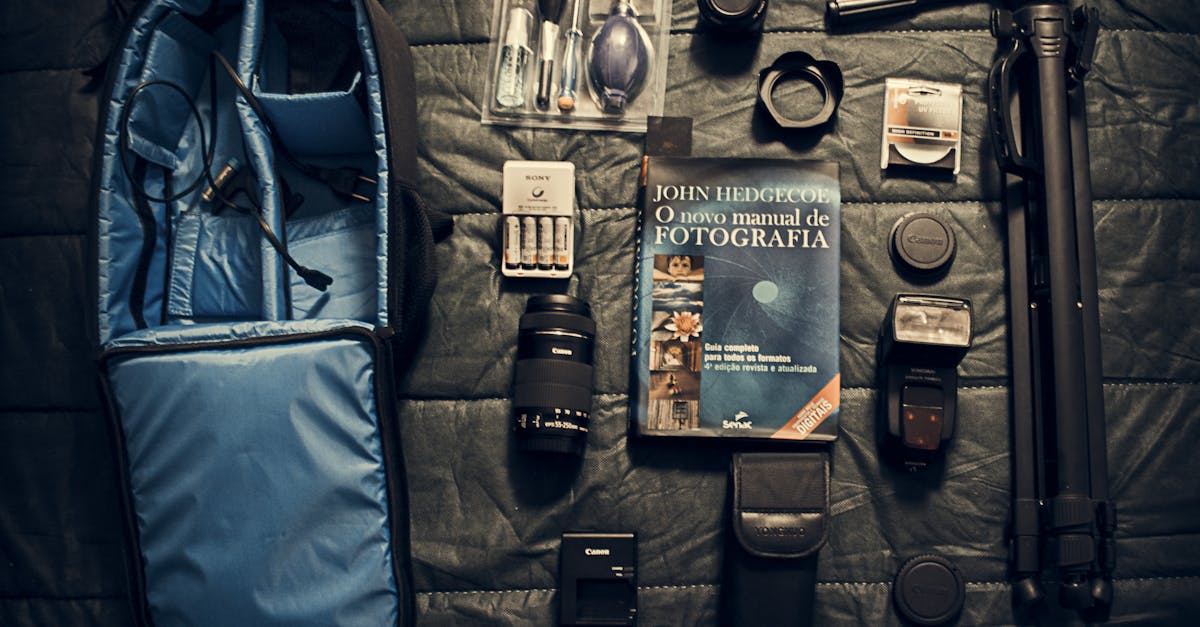
Embarking on the Camino de Santiago requires more than just a strong will; it demands preparation with the right equipment to ensure your journey remains comfortable and safe. Your most critical investment is a well-fitted pair of broken-in hiking boots, as blisters are the pilgrim's most common enemy, so prioritize quality over style. Complement these with a lightweight, breathable backpack that fits snugly against your back, ideally carrying no more than 10% of your body weight to protect your joints over hundreds of kilometers. Don't forget the essentials: a reliable sleeping bag or liner for hostels, a compact first-aid kit including blister plasters, and a reusable water bottle to stay hydrated while navigating Spain's varied terrain.
Practical tips are equally vital for a seamless experience, starting with the acquisition of your Credencial del Peregrino, which grants you access to albergues and serves as your passport to the Compostela certificate upon arrival in Santiago. Plan your daily stages realistically, aiming for 20 to 25 kilometers per day to allow ample time for rest, sightseeing, and soaking in the spiritual atmosphere without rushing. Respect local customs by keeping noise levels down in shared accommodations, arriving early at popular stops to secure a bed, and always leaving the environment cleaner than you found it. Finally, embrace the unpredictability of the weather by packing layers and rain gear, remembering that the changing Spanish climate is part of the transformative challenge that makes this pilgrimage so profound.
 This photo was taken by Maurício Mascaro on Pexels.
More Than a Walk: Finding Reflection in Every Stone
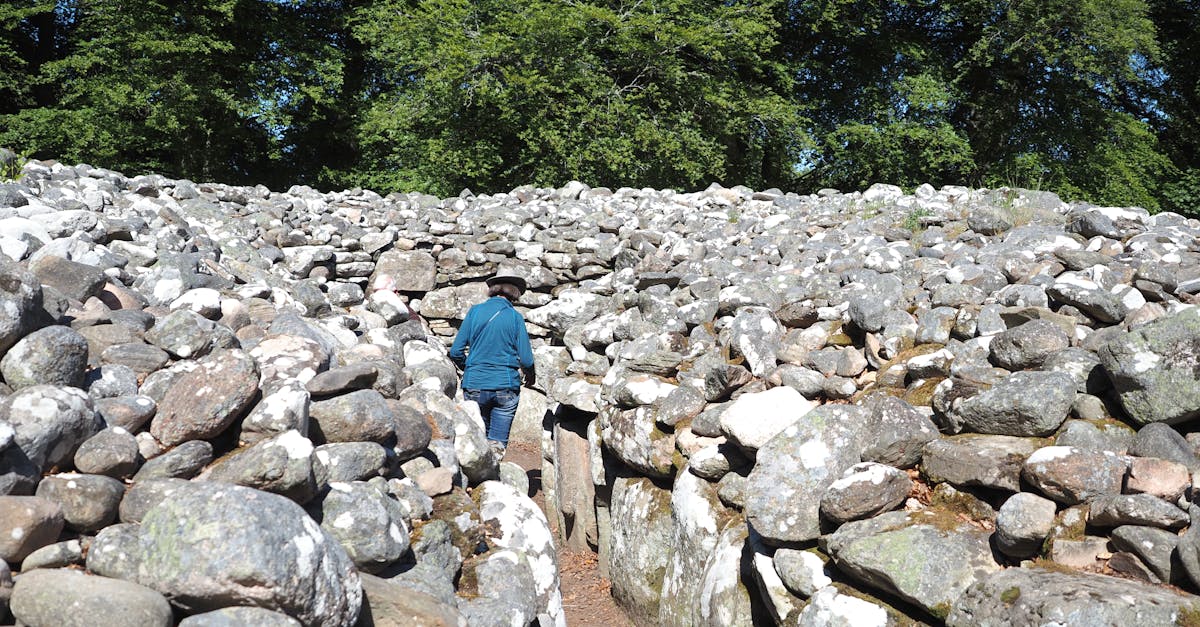
While the Camino de Santiago is often celebrated for its breathtaking landscapes and historic architecture, the true essence of the journey lies in the quiet moments found between the steps. As you traverse the ancient Roman roads that wind through the rolling hills of Galicia or the arid plains of Castilla y León, every cobblestone seems to whisper a story of pilgrims from centuries past who sought solace and clarity. It is in these pauses, where the rhythm of your footsteps syncs with the rustling leaves and the distant church bells, that the path transforms from a mere physical trek into a profound meditation. The stones underfoot become more than just obstacles to overcome; they are anchors connecting you to the earth and to the universal human quest for meaning.
This spiritual reflection is not reserved for grand cathedrals alone but is woven into the very fabric of the trail's humble textures. Whether you are resting on a moss-covered bench overlooking the Cantabrian Sea or sharing a silent moment of gratitude with fellow travelers at a small village fountain, the act of walking becomes a vessel for introspection. In Spain, where history is palpable in every ruin and every shrine, the Camino offers a unique sanctuary where the noise of modern life fades away, allowing the soul to catch up with the body. By the time you reach the final destination in Santiago de Compostela, you will find that the pilgrimage has left an indelible mark, not just on your feet, but on your spirit, proving that sometimes the deepest answers are found simply by looking down at the road beneath you.
 This photo was taken by Gene Samit on Pexels.