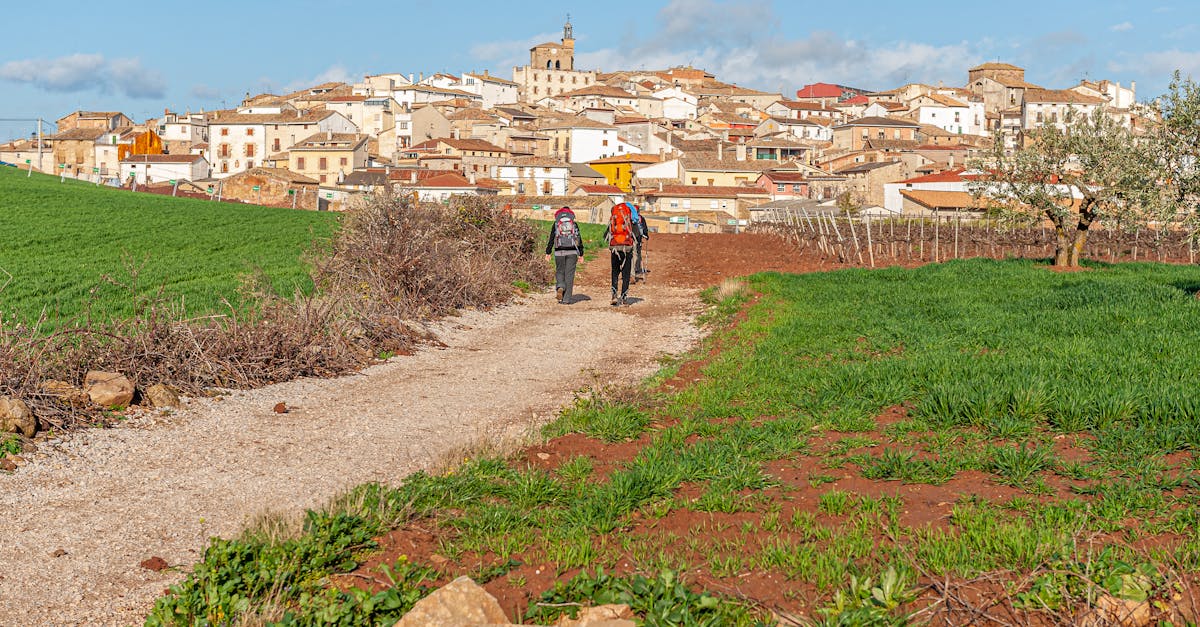
 This photo was taken by Burkard Meyendriesch on Pexels.
Bienvenidos to the heart of Spain, where ancient stone paths wind through rolling hills, dense forests, and historic villages. The Camino de Santiago is more than just a long-distance hike; it is a timeless pilgrimage that has drawn travelers from every corner of the globe for over a thousand years. Whether you seek physical endurance, spiritual reflection, or simply the beauty of the Spanish countryside, this journey promises to change you forever. In this post, we will guide you through preparing your body and spirit for the trek, reveal the hidden gems waiting along the famous French Way, and explore the profound transformative power of finally arriving in Santiago de Compostela.
Preparing Your Body and Spirit for the Journey
Before you lace up your boots in the bustling streets of St. Jean Pied de Port, it is essential to recognize that the Camino de Santiago demands both physical resilience and mental readiness. Start training at least three months in advance by gradually increasing your walking distance while carrying a loaded backpack to simulate the weight of your gear; this helps condition your legs and shoulders for the long haul. Beyond mere fitness, focus on your footwear by breaking in high-quality hiking shoes early to prevent blisters, which are the most common enemy of pilgrims. As you prepare your body, remember that Spain's diverse terrain ranges from the gentle green hills of Galicia to the rugged mountains of the Pyrenees, so cross-training with swimming or cycling can build the endurance needed to navigate these varied landscapes without fatigue setting in too quickly.
Equally important is cultivating the right mindset, as the true transformation of the Camino often happens within the quiet moments between footsteps. This journey is not merely a test of stamina but a pilgrimage of the soul, inviting you to shed daily anxieties and embrace simplicity. Take time before departure to reflect on your personal intentions, whether seeking healing, clarity, or simply a connection to history, allowing these goals to anchor you when the path becomes steep or lonely. Embrace the concept of "pilgrim spirit" by practicing mindfulness and openness to the unexpected encounters with fellow travelers along the way. By aligning your physical preparation with a calm, receptive heart, you will find that the road itself becomes a meditation, guiding you toward the magnificent Cathedral of Santiago de Compostela with renewed purpose and inner peace.

This
photo was taken by
Allan Mas on Pexels.
Discovering Hidden Gems Along the French Way
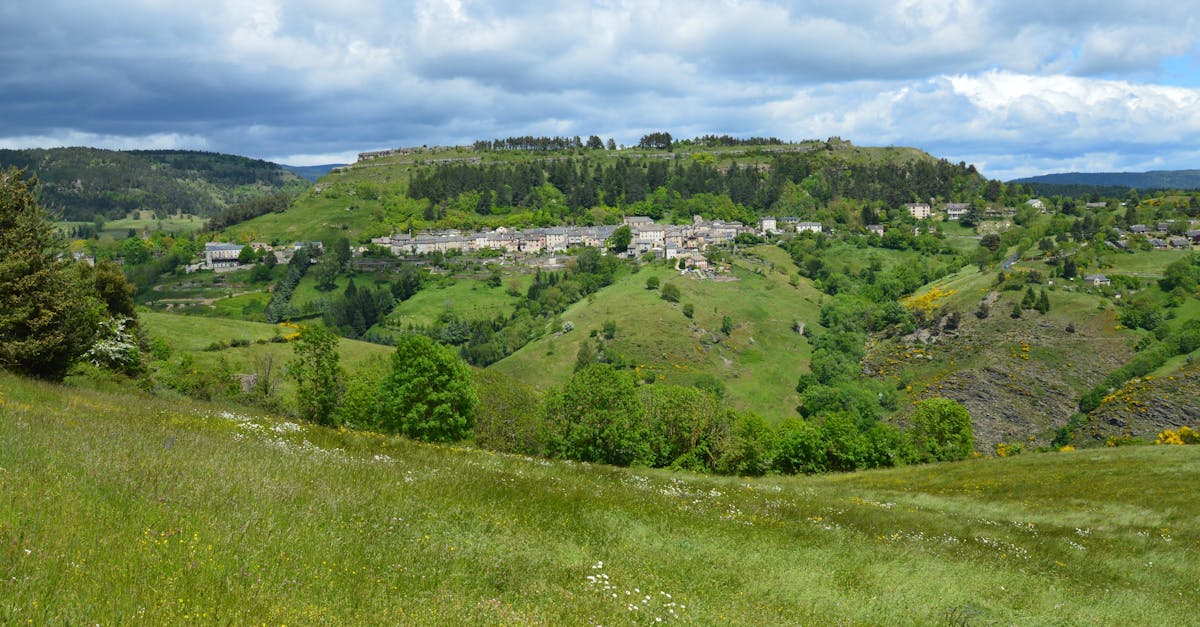
While the bustling hostels of Saint-Jean-Pied-de-Port and the grand cathedrals of León draw the crowds, the true magic of the French Way often unfolds in its quieter, forgotten stretches. Venture off the main paved path for just a few kilometers to stumble upon medieval hamlets like San Juan de Ortega, where time seems to stand still amidst ancient stone walls and silent cloisters. Here, you will find locals who still greet pilgrims with warm smiles and offer homemade cider or fresh bread, providing an authentic slice of rural Castile that feels worlds away from the modern world. These secluded spots are not merely rest stops; they are living museums where the rhythm of daily life mirrors the slow, contemplative pace of the pilgrimage itself.
As you ascend into the rolling hills of Galicia, the landscape transforms into a verdant tapestry dotted with hidden chapels and sacred springs that have whispered prayers for centuries. The village of Melide offers more than just its famous octopus stew; it hides narrow cobblestone alleys leading to tiny shrines dedicated to local saints, far removed from the tourist trail. Walking these less-traveled sections reveals a profound sense of solitude, allowing you to connect deeply with the natural beauty of green forests and misty valleys while reflecting on your journey. It is in these uncharted corners that the Camino truly reveals its soul, offering moments of quiet revelation that stay with you long after you have reached the final destination in Santiago.
This
photo was taken by
SlimMars 13 on Pexels.
The Transformative Power of Arriving in Santiago
Arriving in Santiago de Compostela marks the profound culmination of a journey that transcends mere geography, serving as a transformative threshold where physical exhaustion gives way to spiritual clarity. For months, pilgrims have navigated diverse landscapes from the Pyrenees to the rolling hills of Galicia, carrying their burdens and hopes on worn-out shoulders; yet, upon finally stepping onto the Plaza del Obradoiro and gazing at the majestic façade of the Cathedral, a unique silence often descends upon the crowd. This moment is not merely about reaching a destination but about the internal shift that occurs when the relentless rhythm of the road meets the stillness of the final sanctuary, allowing travelers to process years of reflection in the shadow of history.
The emotional impact of this arrival is palpable, manifesting in tears of relief, joyous embraces with fellow walkers, and a deep sense of accomplishment that lingers long after the pilgrimage ends. Whether one has walked the Camino Francés for 800 kilometers or completed a shorter stretch, the act of arriving validates the resilience cultivated along the way, turning the physical challenge into a metaphor for life's broader struggles and triumphs. As the bells of the cathedral ring out and the famous Botafumeiro swings its massive thurible through the nave, the atmosphere becomes charged with a collective energy that reminds every visitor that they are part of an enduring tradition, forever changed by the path they have trod across Spain.
This
photo was taken by
Matheus De Moraes Gugelmim on Pexels.