Walking the Camino de Santiago: A Pilgrim's Reflections
 This photo was taken by Kampus Production on Pexels.
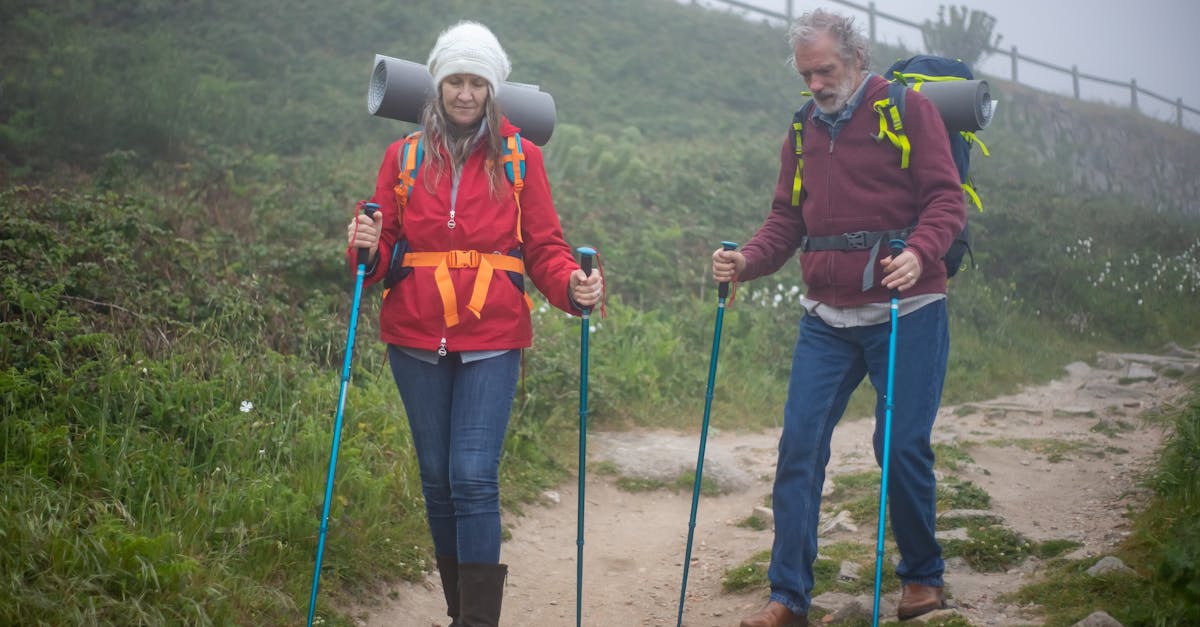
Welcome, travelers, to the heart of Spain, where ancient stone paths wind through rolling hills and vibrant villages. For centuries, the Camino de Santiago has called to seekers from across the globe, inviting them not just to walk, but to transform. As your guide through this historic route, I invite you to step into the shoes of a pilgrim and discover what lies beyond the physical destination. In this post, we will explore how the true essence of the journey transcends mere mileage, delve into the rustic culinary delights that fuel our steps through the countryside, and celebrate the profound friendships forged along the road to Santiago. Prepare to leave your worries behind and embrace the magic of the path.
The Spiritual Journey Beyond the Milestones
 This photo was taken by BYB BYB on Pexels.
Savoring the Flavors of the Spanish Countryside
As the sun dips below the rolling hills of Castile and León, the true essence of the Camino reveals itself not just in the miles walked, but in the simple, hearty meals that await weary pilgrims. In the small villages lining the route, local tabernas serve as communal hearths where the day's journey is celebrated with dishes like cocido maragato, a robust chickpea stew that warms the soul against the evening chill. Here, the flavors are deeply rooted in tradition; you will find tender lamb roasted over open fires, earthy wild mushrooms foraged from nearby forests, and cheeses aged to perfection in mountain caves. Each bite tells a story of the land, offering a sensory connection to the rural heritage that has sustained these communities for centuries.
Beyond the main course, the countryside offers a tapestry of tastes that change with every region traversed. In Galicia, the final stretch of the pilgrimage, the air carries the scent of sea salt and woodsmoke as you savor fresh octopus or rich pulpo á feira, accompanied by crisp Albariño wine grown on the steep slopes above. It is in these quiet moments, sharing a loaf of crusty bread and a glass of local red with fellow travelers, that the culinary experience transcends mere sustenance. The food becomes a bridge between cultures and histories, grounding the spiritual reflection of the walk in the tangible, delicious reality of Spain's agricultural bounty.
 This photo was taken by www.kaboompics.com on Pexels.
Building Community on the Road to Santiago
One of the most profound aspects of walking the Camino de Santiago is the immediate and deep sense of community that forms among strangers. Within hours of starting the journey, the barriers of language, culture, and social status dissolve as fellow pilgrims share stories over simple meals in albergues or while waiting for a bus. This shared struggle against fatigue and weather creates an unspoken bond, transforming a group of individuals into a temporary family who celebrate each other's milestones and offer comfort during moments of doubt. Whether it is sharing a bottle of water on a steep climb or exchanging tips about local tapas bars, these interactions foster a unique spirit of solidarity that feels both ancient and timeless.
As the miles accumulate towards Santiago de Compostela, this community evolves from a collection of acquaintances into a support network that often extends far beyond the trail itself. Pilgrims frequently find themselves staying in touch long after parting ways at different stages of the route, forming friendships that bridge continents and generations. The road teaches us that we are never truly alone, even when walking in silence, because the collective energy of thousands of people pursuing the same goal creates a vibrant tapestry of human connection. It is this enduring camaraderie, born from the rhythm of footsteps and the openness of the Spanish heartland, that makes the Camino not just a physical pilgrimage, but a spiritual journey into the very essence of what it means to belong to something larger than oneself.
 This photo was taken by Mehmet Turgut Kirkgoz on Pexels.