Walking the Camino de Santiago: A Pilgrim's Journey Through Northern Spain
 This photo was taken by Matej on Pexels.
Welcome to the heart of Northern Spain, where ancient stone paths wind through lush green valleys, rugged coastlines, and historic towns steeped in centuries of tradition. As a local guide who has walked every step of this legendary route, I invite you to embark on one of the world's most profound journeys: the Camino de Santiago. More than just a trek, this pilgrimage is a transformative experience that challenges your body while nourishing your spirit.
In this post, we will explore how to choose the perfect path for your journey, whether you seek the bustling energy of the French Way or the serene beauty of the coastal routes. You'll discover the essential gear needed to tackle the long haul with comfort, and finally, we will savor the culinary delights and spiritual reflections that await at every albergue. Get ready to lace up your boots; the road to Santiago is calling.
Choosing Your Route: From the French Way to the Coastal Paths
 This photo was taken by Maël BALLAND on Pexels.
Essential Gear and Preparation for the Long Haul
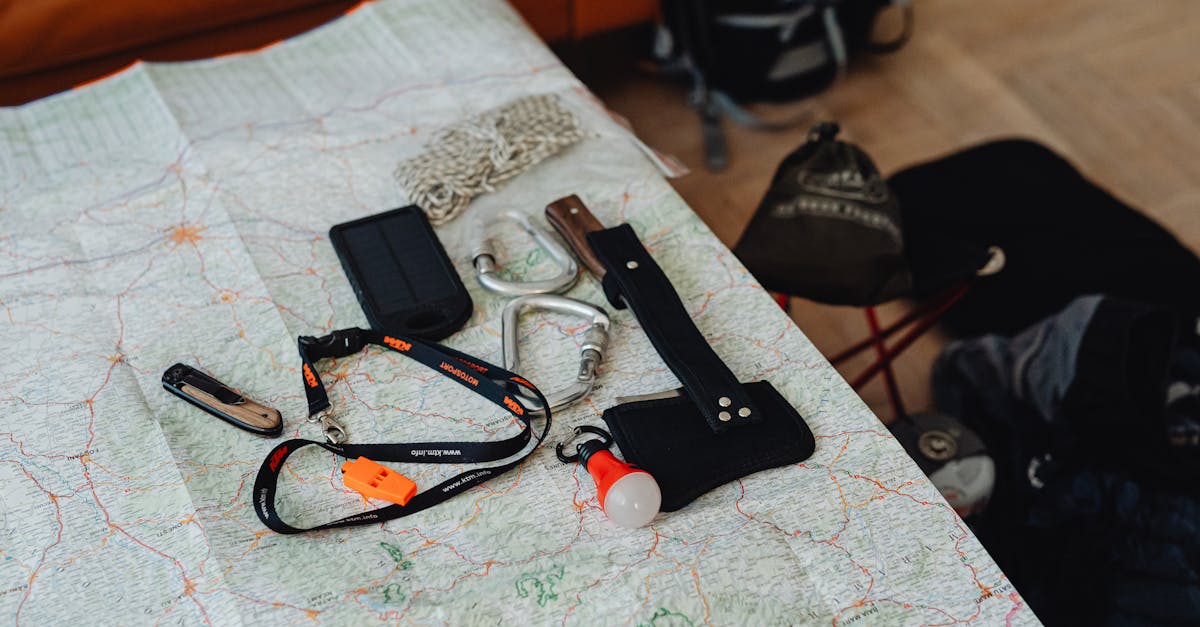
Embarking on the Camino de Santiago requires a minimalist approach where every gram counts, as you will be carrying your entire world on your back for weeks. Your most critical investment is a high-quality, lightweight backpack designed specifically for pilgrims, ideally with a capacity between 35 and 45 liters to accommodate your sleeping bag, clothing, and toiletries without straining your shoulders. Complementing this is a reliable pair of broken-in hiking boots or trail shoes; never start your journey in brand-new footwear, as blisters are the enemy of progress. Additionally, pack a durable rain poncho rather than a standard umbrella, which is impractical on narrow trails, and include a compact first-aid kit with blister plasters, antiseptic wipes, and basic pain relievers to handle minor ailments that can quickly derail your momentum.
Beyond physical equipment, successful preparation involves both logistical planning and mental readiness for the unique rhythm of the pilgrimage. While modern technology allows you to use apps like "Caminos" or "Buen Camino" for navigation and albergue bookings, it is wise to carry a traditional paper map and guidebook as a backup against battery failure or poor signal in remote sections of northern Spain. Familiarize yourself with the concept of the Credencial, or pilgrim passport, which must be stamped daily at churches, cafes, and hostels to prove your journey and grant you access to affordable accommodation. Finally, cultivate a flexible mindset; the weather in Galicia can shift from scorching sun to torrential rain within hours, and the true essence of the long haul lies not in perfect gear, but in your ability to adapt gracefully to the unpredictable beauty of the road.
 This photo was taken by www.kaboompics.com on Pexels.
Spiritual Reflections and Culinary Delights Along the Trail
 This photo was taken by Arjun Adinata on Pexels.