Walking the Camino de Santiago: A Pilgrim's Journey
 This photo was taken by Burkard Meyendriesch on Pexels.
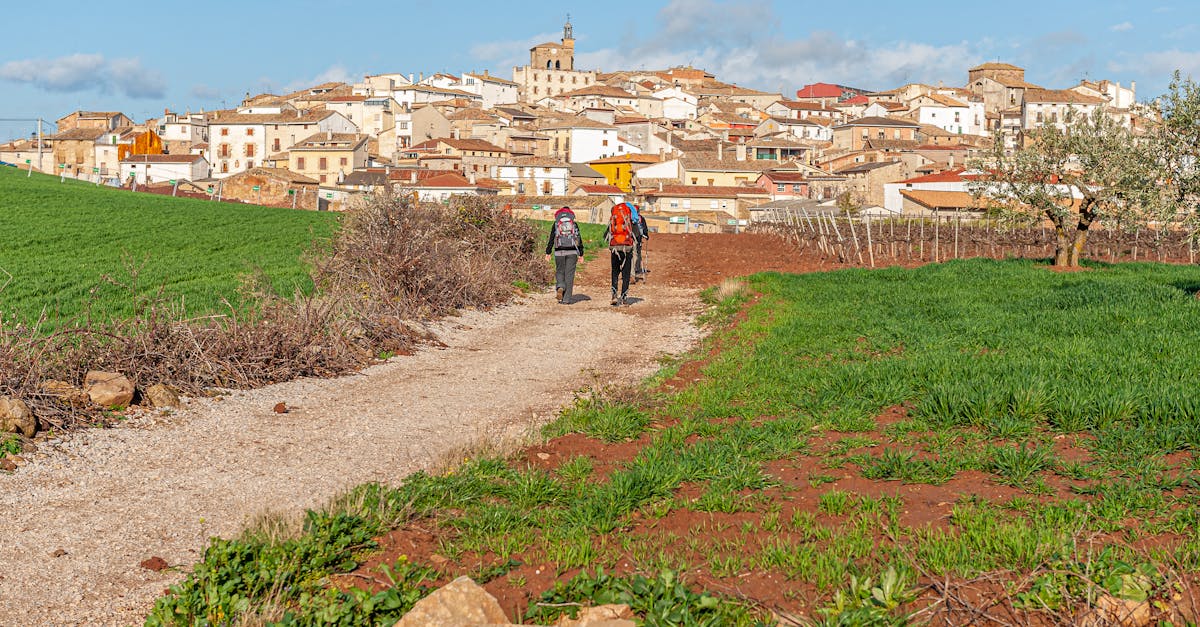
Welcome, fellow travelers, to the heart of Spain's most enduring legend. The Camino de Santiago is far more than a simple trek; it is a transformative pilgrimage that has drawn millions from across the globe to walk towards the Cathedral of Santiago de Compostela in Galicia. Whether you are seeking physical challenge, spiritual renewal, or simply the timeless beauty of the Iberian landscape, this journey invites you to step off the beaten path and discover a world where ancient traditions meet modern curiosity. In this guide, we will explore everything from selecting your perfect route—ranging from the historic French Way to the sun-drenched Coastal Paths—to packing the essential gear that will keep you moving. We'll also delve into the daily rhythms of life on the trail, sharing not only the practicalities of walking but also the profound spiritual reflections and culinary delights that make every mile unforgettable.
Choosing Your Route: From the French Way to the Coastal Paths
 This photo was taken by Maël BALLAND on Pexels.
Essential Gear and Daily Rhythms of a Pilgrim
Embarking on the Camino de Santiago requires a mindset of simplicity and practicality, where your most essential gear is surprisingly minimal. The golden rule for pilgrims is to keep your backpack weight under ten kilograms, focusing on quality over quantity; this means investing in a well-fitted pair of broken-in hiking boots, moisture-wicking socks, and lightweight, quick-drying clothing that can handle Spain's diverse microclimates from the green hills of Galicia to the arid plains of Castile. Alongside these essentials, a reliable water bottle, a compact first-aid kit, and a sturdy walking stick are indispensable companions that will protect your joints and ensure you stay hydrated as you traverse thousands of kilometers of ancient trails.
Life along the route follows a gentle, rhythmic cadence dictated by the sun and the community of fellow walkers rather than strict schedules. Your day typically begins before dawn with a hearty breakfast at the albergue, often consisting of fresh bread, coffee, and fruit, followed by a steady march that allows ample time for rest stops to admire the passing landscapes or chat with strangers from around the world. As evening approaches, the journey concludes not with exhaustion but with a sense of camaraderie shared in communal dining halls, where stories are exchanged over simple meals, fostering a unique spiritual and social connection that defines the true essence of the pilgrimage experience.
 This photo was taken by FOX ^.ᆽ.^= ∫ on Pexels.
Spiritual Reflections and Culinary Delights Along the Way
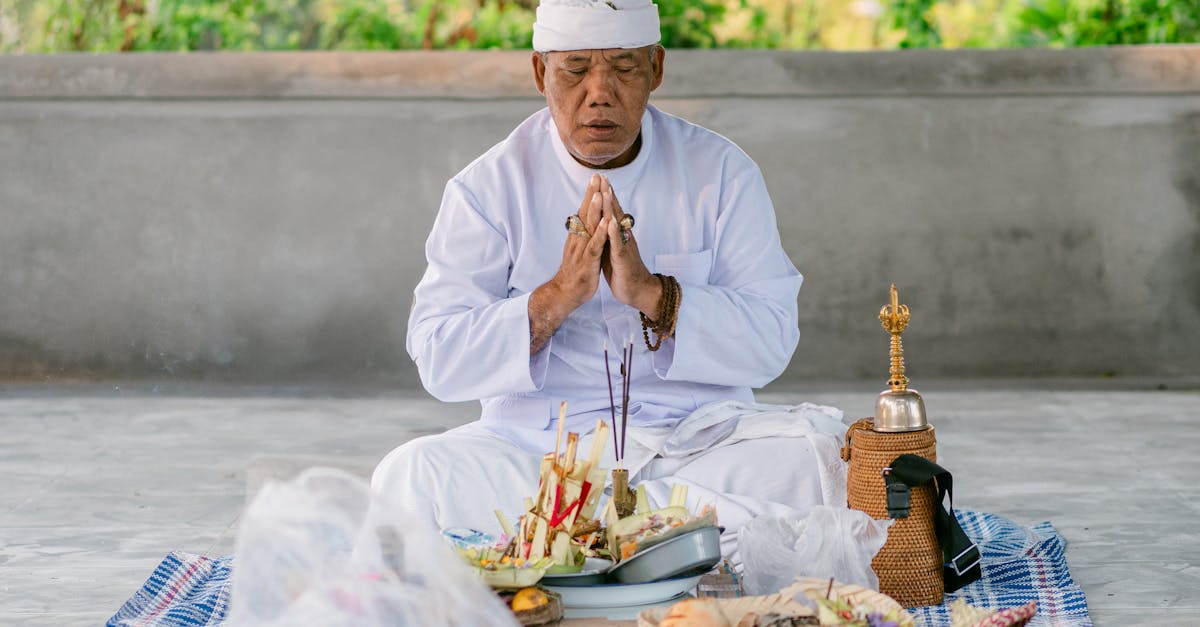
As you traverse the ancient stone paths of the Camino de Santiago, the rhythm of your footsteps often gives way to a profound sense of spiritual introspection. The journey is not merely physical but a transformative pilgrimage where every mile invites you to shed the burdens of modern life and reconnect with your inner self. From the misty mornings in the Pyrenees to the golden fields of Castile, the landscape itself seems to whisper ancient secrets, offering moments of quiet contemplation beneath towering oaks or within centuries-old Romanesque churches that have sheltered countless souls before you.
Yet, this path to Santiago is equally defined by the warmth of its culinary traditions, which serve as both fuel for the body and a celebration of community. At every village square, pilgrims gather around rustic tables laden with hearty stews, fresh Galician octopus, and crusty bread soaked in olive oil, sharing stories over glasses of local Albariño wine. These simple yet exquisite meals are more than just sustenance; they are a testament to the Spanish art of living well, reminding us that the true nourishment of the soul comes from savoring the flavors of the land while walking hand-in-hand with fellow travelers on this historic road.
 This photo was taken by Arjun Adinata on Pexels.