Walking the Camino de Santiago: A Pilgrim's Adventure
 This photo was taken by Kampus Production on Pexels.
Welcome, fellow wanderer! As your local guide through the heart of Spain, I invite you to step onto one of the world's most enduring paths: the Camino de Santiago. For centuries, millions have walked these ancient trails, seeking not just a destination in Santiago de Compostela, but a profound transformation within themselves. Whether you are drawn to the historic stone streets of the French Way or the sun-drenched cliffs of the coastal routes, this journey promises to be more than a simple hike; it is a pilgrimage of the soul. In this post, we will explore how to choose the perfect route for your pace and style, share essential gear and practical tips to ensure your long walk is safe and enjoyable, and savor the rich cultural tapestry waiting for you—from delicious regional tapas and centuries-old history to the unique camaraderie that defines the spirit of the Camino.
Choosing Your Route: From the French Way to the Coastal Paths
When embarking on the Camino de Santiago, your journey begins with selecting a path that resonates with your spirit and physical capabilities. The iconic Camino Francés, or French Way, remains the most popular route for good reason; it offers a rich tapestry of history, passing through ancient Roman roads, medieval towns like Burgos and León, and the majestic Pyrenees before culminating in the magnificent Cathedral of Santiago de Compostela. While this 800-kilometer trail is bustling with fellow pilgrims from around the globe, creating a vibrant sense of community, it does require a significant time commitment and stamina, making it an ideal challenge for those seeking a traditional, deeply spiritual experience steeped in centuries of tradition.
For travelers who prefer a more serene pace or wish to explore Spain's stunning coastline, the coastal alternatives offer a breathtakingly different perspective. Routes such as the Camino del Norte wind along the rugged cliffs of the Basque Country and Cantabria, providing dramatic ocean views and fewer crowds compared to the Francés, while the Vía de la Costa allows you to soak up the Mediterranean sun and taste fresh seafood in charming fishing villages from Irún to Santiago. These paths are perfect for hikers looking to combine the physical act of walking with the relaxation of beachside mornings and the discovery of Galicia's green landscapes, proving that the essence of the pilgrimage lies not just in the destination, but in the unique character of the road beneath your feet.
 This photo was taken by Maël BALLAND on Pexels.
Essential Gear and Practical Tips for the Long Walk
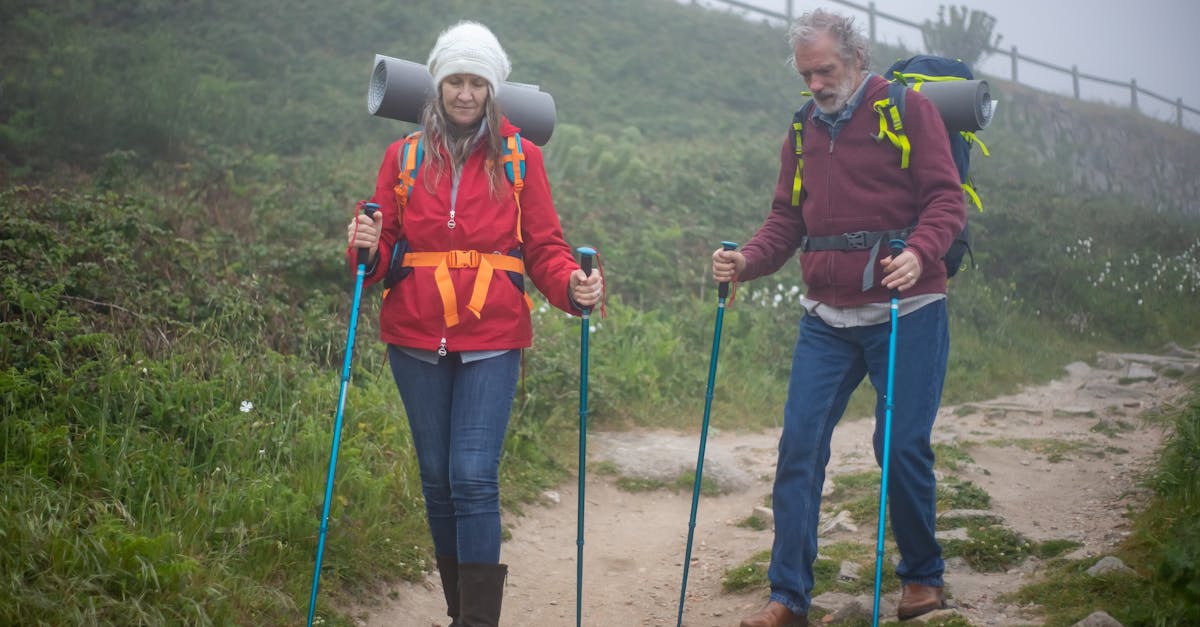
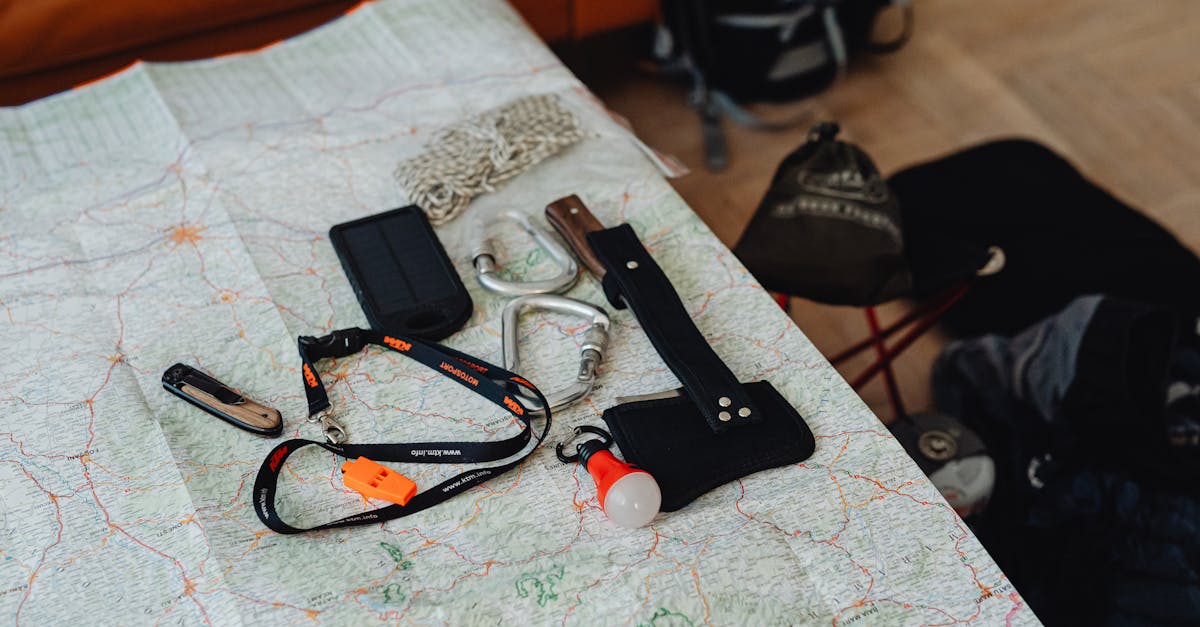
To embark on the Camino de Santiago, your most critical investment is a well-fitted pair of broken-in hiking boots that offer superior ankle support and breathability for Spain's varied terrain. Beyond footwear, pack light with a high-quality, waterproof backpack no larger than 40 liters to keep your load under ten kilograms, ensuring you can walk comfortably for eight to nine hours daily. Essential items include a reliable sleeping bag liner, moisture-wicking socks to prevent blisters, and a sturdy walking stick that reduces strain on your knees during steep ascents in regions like León or Galicia.
Practical success on the pilgrimage hinges on respecting the rhythm of the road and understanding local customs; start your days early to secure accommodation in the crowded albergues before they fill up by mid-morning. Always carry your pilgrim credential (Credencial) to stamp at every stop, which not only grants access to hostels but also serves as your passport to receive the Compostela certificate upon arrival. Stay hydrated by refilling water bottles at public fountains, be mindful of the siesta culture where many shops close between 2 PM and 5 PM, and maintain a spirit of camaraderie, as the shared struggles and stories along the path are often just as transformative as the destination itself.
 This photo was taken by www.kaboompics.com on Pexels.
Cultural Highlights: Food, History, and the Spirit of Santiago
The Camino de Santiago is as much a feast for the palate as it is a spiritual journey, weaving together centuries of culinary tradition into every mile you walk. Along the route, pilgrims are welcomed by the aroma of freshly baked bread and the savory richness of local stews like the Galician pulpo á feira, while the famous pilgrim's menu (menú del peregrino) offers hearty, affordable meals designed to fuel weary legs. This gastronomic tapestry is deeply rooted in history, where monasteries once served as the first inns for travelers, preserving recipes and wine-making techniques that have survived for generations. As you pause at roadside taverns or bustling town squares, you are not just eating; you are participating in a living ritual that has sustained millions of walkers since the Middle Ages.
Beyond the food, the spirit of Santiago is palpable in the ancient stones of its cathedral, a masterpiece of Romanesque and Gothic architecture that has stood as a beacon of faith for over a thousand years. Walking through the historic streets of Santiago de Compostela feels like stepping back in time, where the hum of modern life blends seamlessly with the echoes of medieval pilgrims who once walked these same paths seeking redemption or enlightenment. The city exudes a unique atmosphere of camaraderie and reflection, where strangers become friends over shared stories and the collective sense of accomplishment upon reaching the final destination. It is this profound blend of tangible history, vibrant culture, and an enduring human spirit that transforms a simple hike into a transformative pilgrimage.
 This photo was taken by Alexander Taranenko on Pexels.