Walking Through History: The Moorish Legacy of Andalusia
 This photo was taken by Khaldoun Alkhalid on Pexels.
Welcome, travelers, to the sun-drenched heart of Spain, where every cobblestone in Andalusia whispers tales of a bygone era. As we embark on this journey through time, we step into a world defined by intricate tilework, soaring arches, and lush gardens that once flourished under Moorish rule. From the breathtaking grandeur of the Alhambra to the subtle elegance of Mudéjar architecture, and finally to the serene secrets hidden within Granada's ancient baths, our path reveals a unique cultural tapestry where East and West have danced together for centuries. Get ready to immerse yourself in the enduring beauty of this Islamic legacy that continues to shape the soul of Southern Spain.
The Alhambra: A Masterpiece of Islamic Architecture
Perched atop the Sabika Hill in Granada, the Alhambra stands as a breathtaking testament to the zenith of Moorish civilization, where intricate stucco work, delicate tile mosaics, and flowing water channels converge to create an atmosphere of serene grandeur. As you wander through the Court of the Lions, listening to the gentle murmur of its famous fountain, you are stepping into a world where geometry meets poetry, designed not just for defense but as a earthly paradise reflecting the divine order cherished by the Nasrid dynasty. Every archway and carved pillar whispers stories of poets and rulers who once walked these halls, blending Islamic artistic principles with the lush beauty of the surrounding Sierra Nevada mountains.
The architectural brilliance of the Alhambra lies in its masterful use of light and shadow, which transforms the palace complex throughout the day, turning walls into living canvases that shift from warm golds to deep blues as the sun moves across the Andalusian sky. This harmonious fusion of nature and art is perhaps most evident in the Generalife gardens, where fountains dance amidst fragrant citrus trees and cypress groves, offering a tranquil retreat that perfectly complements the opulence of the royal quarters. Visiting this UNESCO World Heritage site is more than a tour; it is a profound journey through time, allowing you to feel the enduring spirit of the Moorish legacy that continues to shape the soul of modern Spain.
 This photo was taken by Matej on Pexels.
Mudéjar Marvels: Where East Meets West
As you wander through the sun-drenched streets of Seville, Córdoba, and Zaragoza, you will encounter a unique architectural symphony known as Mudéjar, where the intricate craftsmanship of Islamic artisans merges seamlessly with Christian Gothic and Renaissance styles. This distinctive heritage emerged after the Reconquista, when Muslim craftsmen remained in the region to build for their new Christian rulers, creating structures that tell a story of cultural coexistence rather than conflict. From the breathtaking wooden ceilings of the Alcázar of Seville to the ornate brickwork towers of Teruel, these buildings feature delicate geometric patterns, arabesques, and horseshoe arches that seem to dance under the Spanish light, offering a visual testament to how East and West intertwined to shape Andalusia's soul.
Visiting these Mudéjar marvels is not merely an exercise in architectural appreciation; it is a journey into a living history that challenges our perceptions of religious boundaries. Imagine standing beneath the star-studded plaster domes of a mosque-turned-church or tracing your fingers along the glazed tile facades that shimmer like jewels against the white walls of a village church. These sites serve as powerful reminders that Spain's identity was forged in a crucible of diverse influences, where the call to prayer once echoed alongside church bells. By exploring these hidden gems, travelers gain a deeper understanding of the region's complex past, discovering that the true magic of Andalusia lies in its ability to embrace contrasting traditions and weave them into a single, enduring tapestry of beauty.
 This photo was taken by Franklin Peña Gutierrez on Pexels.
Hidden Gems: Moorish Baths and Gardens of Granada
Just beyond the grandeur of the Alhambra's main palaces lies a serene sanctuary often overlooked by hurried tourists: the Bañuelo, or Hammam al-Bayyasin. Dating back to the 11th century, these ancient Moorish baths offer an intimate glimpse into the daily life and sophisticated hygiene rituals of Granada's Islamic past. As you wander through the dimly lit chambers where steam once rose from heated stone floors, you can almost hear the echoes of merchants and nobles alike seeking relaxation in this architectural marvel. The intricate stucco work and the rhythmic drip of water fountains create an atmosphere of timeless tranquility, inviting visitors to pause and reflect on the engineering brilliance that defined Andalusian civilization centuries ago.
Complementing these historic baths are the lush, hidden gardens scattered throughout the Albaicín district, such as the Jardines de San Nicolás and the lesser-known Huerta del Rey. These verdant oases were designed not merely for beauty but as earthly reflections of paradise, featuring geometric layouts, flowing channels, and fragrant orange blossoms that have thrived since the Nasrid era. Walking through these quiet paths, shaded by cypress trees and punctuated by the sound of trickling water, allows you to experience the profound connection between nature and architecture that the Moors championed. Here, away from the bustling crowds, you can truly immerse yourself in the poetic spirit of Al-Andalus, discovering how history lives on in every blooming flower and cooling breeze.
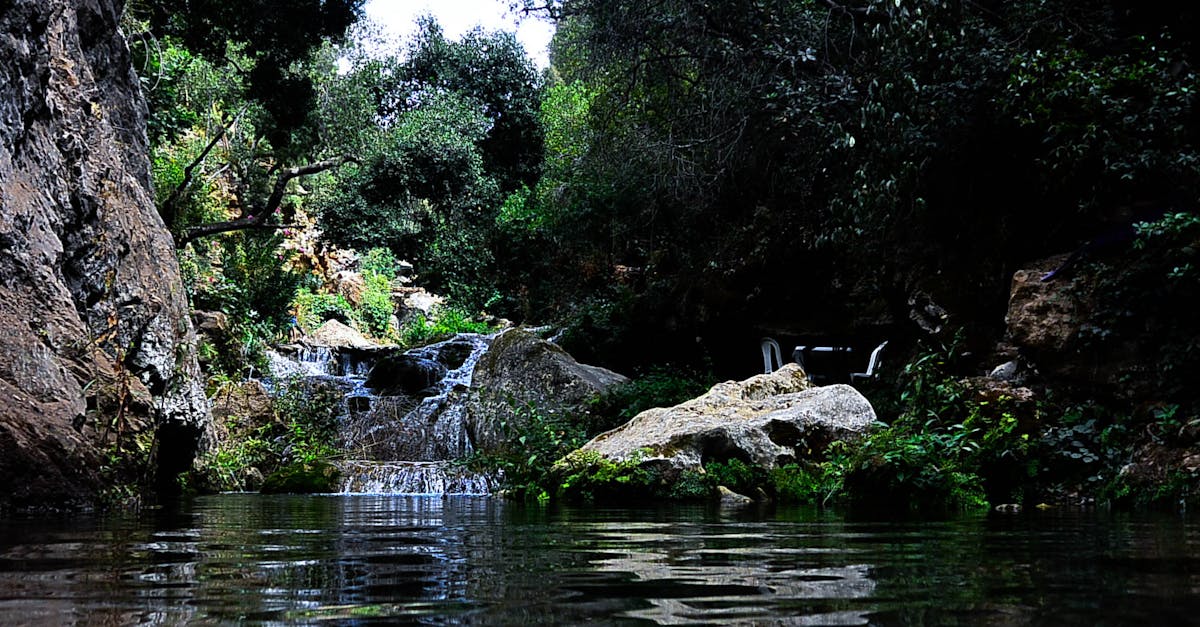 This photo was taken by Mehdi Menchrifa on Pexels.