Understanding Spanish Etiquette: Do's and Don'ts for Tourists
 This photo was taken by Pixabay on Pexels.
Welcome to the heart of Spain, a land where history dances with vibrant culture and every corner holds a new story. As you prepare to explore our beautiful country, understanding the local customs is your golden ticket to truly connecting with the people and immersing yourself in the authentic Spanish way of life. This guide is designed to help you navigate social interactions with confidence and respect, ensuring your journey is filled with warmth and memorable experiences. From mastering the art of the greeting to dining like a local and respecting personal boundaries, we will walk you through the essential do's and don'ts that define our social fabric. Get ready to embrace the rhythm of la vida española and discover how a little cultural awareness can transform your visit into something extraordinary.
Mastering the Art of the Greeting
In Spain, the greeting is far more than a simple hello; it is a ritual that sets the tone for your entire interaction and signals your respect for local customs. When meeting someone for the first time, expect a warm handshake accompanied by direct eye contact and a genuine smile, which conveys sincerity and openness. As you become familiar with someone or in social settings among friends, the custom shifts to "dos besos" (two kisses), where you lightly touch cheeks while making a kissing sound, alternating starting with the right cheek. It is important to note that this gesture is generally gender-neutral among friends but should be approached with caution if you are unsure of the other person's comfort level; observing what locals do around you is always the safest guide.
A common pitfall for tourists is skipping the initial pleasantries and jumping straight into business or requests, as Spaniards value personal connection before transactional matters. Always begin with a polite "Buenos días," "Buenas tardes," or "Buenas noches" depending on the time of day, rather than a casual "Hola." Furthermore, address people using their titles and surnames (such as "Señor" or "Señora") until invited to use their first names, as this demonstrates proper deference. Taking these moments to engage in brief small talk about the weather, travel plans, or local life is not just polite—it is essential for building rapport and being perceived as a respectful guest rather than an intruder.
 This photo was taken by alleksana on Pexels.
Dining Like a Local: Meal Times and Table Manners
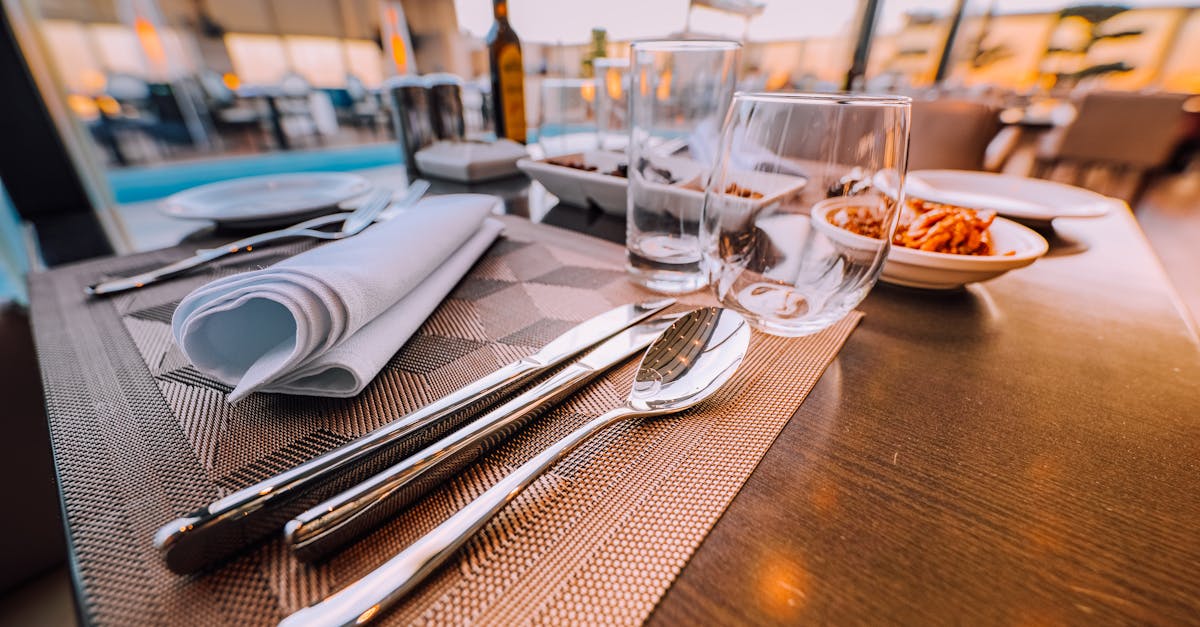
In Spain, dining is a social ritual that extends far beyond simply satisfying hunger, so mastering the timing of your meals is essential for an authentic experience. Lunch, known as la comida, is the main meal of the day and typically begins between 2:00 PM and 3:30 PM, while dinner, or cena, is a much lighter affair served late, often not until 9:00 PM or even later; arriving at a restaurant before these hours can mean finding most kitchens closed or serving a limited menu. When you do sit down, remember that the pace is leisurely—waiters will rarely rush you to clear plates or order desserts, as lingering over coffee and conversation is a cherished tradition that signifies enjoyment rather than inefficiency.
Table manners in Spain are generally relaxed but come with specific unwritten rules that distinguish locals from tourists. It is considered polite to wait until everyone at the table has been served before beginning to eat, and keeping your hands visible on the table (rather than in your lap) is standard practice throughout the meal. Unlike in some other cultures where finishing everything on your plate is mandatory, leaving a small amount of food indicates that you are satisfied, though it is always appreciated to finish what you have ordered if you are a guest in someone's home. Finally, never tip excessively; leaving small change or rounding up the bill is customary, as service charges are usually included, and overtipping can sometimes be seen as unnecessary or even slightly awkward.
 This photo was taken by Zak Chapman on Pexels.
Navigating Social Spaces and Personal Boundaries
In Spain, social interactions are characterized by a warmth and physical closeness that might feel surprising to visitors from cultures with stricter personal space norms. It is common to see friends and family standing very close while talking, touching arms affectionately, or exchanging multiple kisses on the cheek as a greeting, regardless of gender. As a tourist, do not pull away if someone approaches you with this level of intimacy; instead, reciprocate politely to show respect for their customs. However, be mindful that while these gestures are standard among acquaintances, they are generally reserved for people you have met socially rather than strangers in professional settings, so gauge the situation before initiating such contact.
Navigating these spaces also requires an understanding of timing and volume, as Spanish social life often extends late into the night and embraces lively conversation in public areas. You will notice that dining tables fill up slowly, and meals can last several hours, which is a cherished tradition rather than inefficiency. While enjoying the bustling atmosphere of plazas and tapas bars, avoid raising your voice excessively or dominating a table conversation, as Spaniards value balanced dialogue and listening. Remember that respecting the rhythm of local life—such as waiting for a toast before drinking or allowing elders to lead greetings—demonstrates cultural sensitivity and ensures your interactions remain harmonious throughout your journey.
 This photo was taken by Vladimir Srajber on Pexels.