Understanding Spanish Culture: Etiquette and Traditions for Tourists
 This photo was taken by Erik Mclean on Pexels.
Welcome to the heart of Spain, a land where history breathes through every cobblestone street and life unfolds at a uniquely vibrant pace. As you embark on your journey across our diverse landscapes, from the sun-drenched beaches of Andalusia to the bustling plazas of Madrid, understanding the cultural nuances behind our daily rituals will transform a simple trip into an unforgettable experience. This guide is designed to help you navigate the subtle art of social interaction, embrace the rhythm of our famous siestas and late-night gatherings, and show respect for local customs that define who we are. Whether you are mastering the greeting ritual, adapting to our distinct meal times, or dressing appropriately for our lively festivals, getting these details right will open doors to genuine connections with the people who call this beautiful country home.
Mastering the Art of the Greeting: Handshakes, Kisses, and Personal Space
Welcome to Spain, where social interactions are as warm and vibrant as our sunsets. When you first meet someone, a firm but friendly handshake is the standard greeting for both men and women in professional or initial settings; simply maintain eye contact and offer a genuine smile. However, once you have established a rapport, the dynamic shifts quickly among friends, family, and even acquaintances in casual gatherings. Here, the "dos besos" (two kisses) on alternating cheeks becomes the norm, regardless of gender. Don't be alarmed if this feels sudden; it is a sign of acceptance into your social circle. Remember to lean in slightly and make a soft kissing sound near the cheek rather than actually touching lips, ensuring your hands remain relaxed at your sides unless the person initiates a hug.
Navigating personal space in Spanish culture requires a subtle adjustment, as we generally stand closer to one another during conversation compared to many Northern European or North American visitors. This proximity is not an invasion of privacy but a demonstration of engagement and interest in what you are saying. If you find yourself stepping back, locals might perceive it as coldness or disinterest, so try to embrace the closeness with an open posture. Furthermore, timing is everything; rushing a goodbye can seem rude, so expect conversations to linger over coffee or a drink after a meal. By respecting these unwritten rules of physical connection and spatial awareness, you will seamlessly blend into the lively tapestry of daily Spanish life and build instant connections with the people you meet.
 This photo was taken by Kampus Production on Pexels.
The Rhythm of Daily Life: Siestas, Meal Times, and Late Nights
Embracing the Spanish way of life requires a shift in your internal clock, particularly regarding the cherished tradition of the siesta and distinctive meal times. While the classic midday break is less common in bustling city centers today, the rhythm remains: lunch is the main meal of the day, typically enjoyed between 2:00 PM and 3:30 PM, often accompanied by a leisurely pause for locals to return home or relax. Dinner follows suit, arriving much later than you might be used to, usually after 9:00 PM when restaurants come alive with conversation and clinking glasses. Understanding this schedule is key to navigating the streets; shops may close briefly in the afternoon, and the evening will truly begin only as the sun sets, inviting you to join the vibrant social tapestry that defines the Spanish lifestyle.
This unique temporal flow extends seamlessly into the late-night culture, where "la hora del aperitivo" serves as a gentle bridge between work and dinner, fostering deep community connections over small plates and drinks. Whether you are strolling through the plazas of Seville or dancing the night away in Barcelona's Gothic Quarter, the pace is deliberately unhurried, encouraging tourists to slow down and savor the moment rather than rushing from attraction to attraction. By aligning your schedule with these local customs—waiting patiently for tables to open at their traditional hours and enjoying the extended evenings—you move beyond being a passive observer to becoming a temporary participant in the warm, rhythmic heartbeat of Spain.
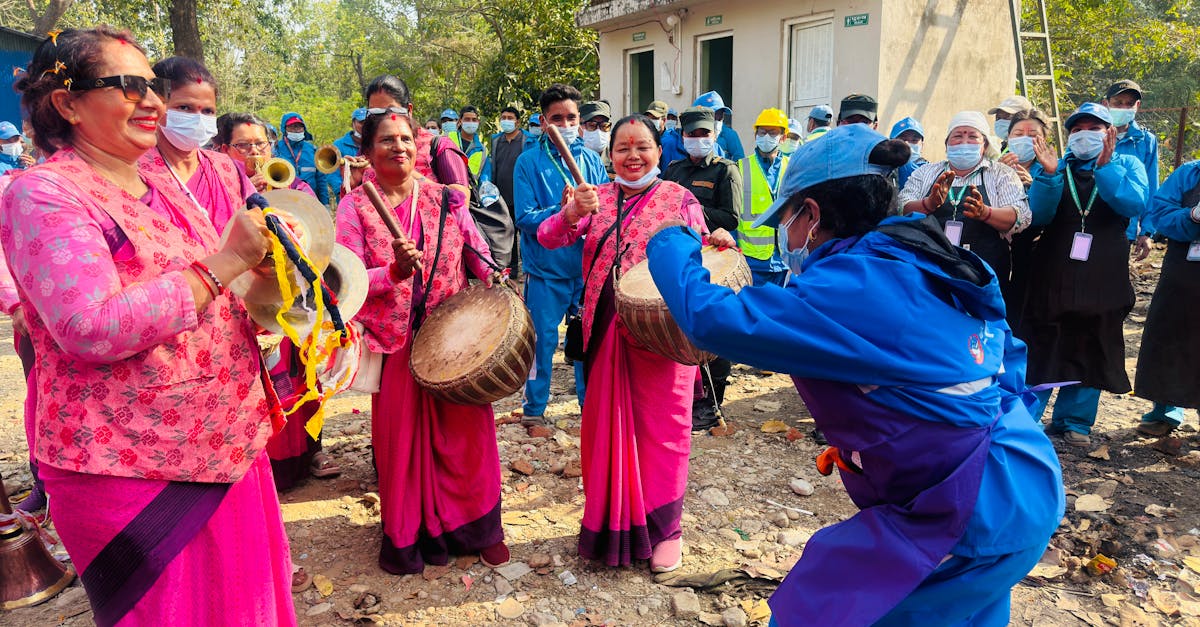 This photo was taken by CP Khanal on Pexels.
Respecting Local Customs: Dress Codes, Tipping, and Festive Traditions
When exploring Spain, dressing appropriately is key to blending in with the local rhythm; while casual wear is acceptable for beach towns and daytime sightseeing, Spaniards tend to dress more formally for evening outings, so leaving flip-flops at home and opting for smart-casual attire will help you feel confident in tapas bars or theaters. Tipping practices also differ significantly from North American standards, as service charges are typically included in the bill, meaning a tip is purely a gesture of appreciation rather than an obligation—rounding up the change or leaving 5-10% for exceptional service in restaurants is the polite norm.
Beyond daily etiquette, immersing yourself in festive traditions offers a genuine connection to Spanish life, where community gatherings often revolve around late-night schedules and specific regional celebrations like Las Fallas in Valencia or San Fermín in Pamplona. During these events, locals value enthusiasm and participation, so don't be shy about joining street dances or accepting invitations to share food and drink; however, it is important to respect quiet hours, particularly after 10:00 PM, by keeping noise levels down in residential areas to honor the delicate balance between vibrant social life and neighborhood tranquility. This photo was taken by Kavindu Kaushalya Perera on Pexels.