The Ultimate Guide to Spanish Tapas Culture
 This photo was taken by Quang Nguyen Vinh on Pexels.
Welcome to the vibrant heart of Spanish life, where every meal is an invitation to linger and every plate tells a story. As your local guide, I'm thrilled to introduce you to The Ultimate Guide to Spanish Tapas Culture, a journey that goes far beyond simple appetizers. In this post, we'll navigate the bustling streets of Madrid and Barcelona with our curated Art of the Tapas Crawl, ensuring you start your culinary adventure in the perfect spot. You'll soon discover that there is much more to Spain's famous small plates than just Patatas Bravas; we will explore the diverse Regional Specialties that define each corner of the country. Finally, to help you blend in seamlessly, we'll break down essential Tapas Etiquette, teaching you exactly how to order, pay, and enjoy these communal delights like a true local. Get ready to savor the flavors, share the laughter, and embrace the soul of Spain.
The Art of the Tapas Crawl: Where to Start in Madrid and Barcelona
Begin your culinary journey in Madrid by embracing the chaotic yet charming energy of La Latina, specifically targeting the narrow streets of Cava Baja where locals and visitors alike queue for the best traditional bites. Start your crawl with a classic tortilla de patatas at a historic bar like Casa Labra or El Brillante, then navigate through a sequence of venues offering everything from crispy croquetas to spicy pimientos de padrón. The true art here lies in the rhythm of the evening: standing at the bar, sipping a crisp white wine or a refreshing beer, and hopping from one establishment to another every thirty minutes to sample a different specialty, ensuring you experience the vibrant social fabric that defines Madrid's nightlife.
In contrast, Barcelona offers a more modern and diverse interpretation of tapas culture, particularly within the bustling Gothic Quarter and the trendy El Born district. Here, you might begin at a renowned spot like Quimet & Quimet for their famous montaditos topped with premium ingredients, before wandering towards the atmospheric streets of Poble Sec to discover pintxos bars that blend Basque influences with Catalan creativity. Unlike the traditional standing-only etiquette often found elsewhere, Barcelona invites you to explore a wider variety of textures and flavors, from savory anchovies on toast to innovative vegetarian options, making it the perfect destination for those who wish to indulge in a sophisticated gastronomic adventure while soaking in the city's unique Mediterranean charm.
 This photo was taken by Erik Mclean on Pexels.
Beyond Patatas Bravas: Regional Specialties You Must Try
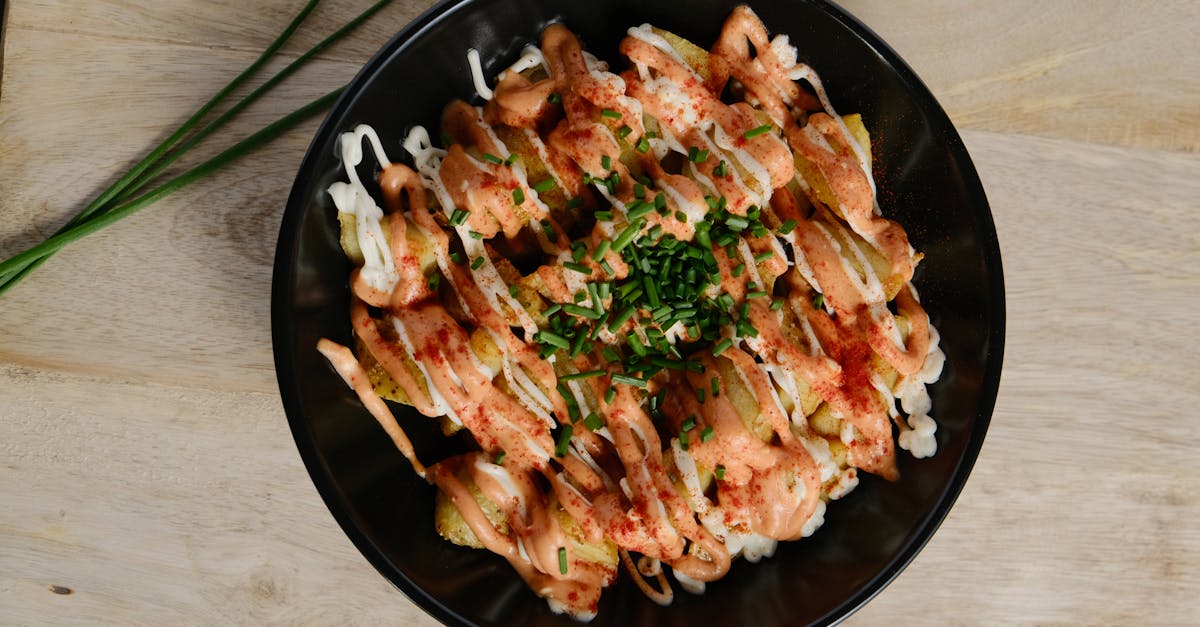
While Patatas Bravas may be the undisputed ambassador of Spanish tapas, venturing beyond this staple reveals a culinary map as diverse as the country's landscapes. In the lush north, particularly in the Basque Country and Asturias, you will encounter pintxos that elevate small bites to art; think of Gilda, a skewer of anchovy, olive, and green chili, or the rich, creamy txangurro (spider crab) served in its own shell. Moving south to Andalusia, the flavors shift towards bold and aromatic profiles, where dishes like salmorejo—a cold tomato soup thicker than gazpacho and topped with hard-boiled egg—offer a refreshing respite from the heat, while jamón ibérico de bellota, cured acorn-fed ham, provides an umami depth that defines the region's gastronomic soul.
Exploring these regional specialties is not merely about tasting food but understanding the local history and traditions woven into every plate. In Galicia, no meal is complete without fresh mariscos, such as pulpo á feira (octopus), which showcases the Atlantic's bounty with simple seasoning of paprika and coarse salt. Meanwhile, in Valencia, the birthplace of paella, you might find smaller versions like arroz con costra or seafood rice bowls served in traditional clay pots at beachside chiringuitos. Each region tells a story through its ingredients and techniques, inviting travelers to move past the tourist traps and discover the authentic, mouth-watering heart of Spain's tapas culture.
 This photo was taken by Jose Prada on Pexels.
Tapas Etiquette: How to Order, Pay, and Enjoy Like a Local
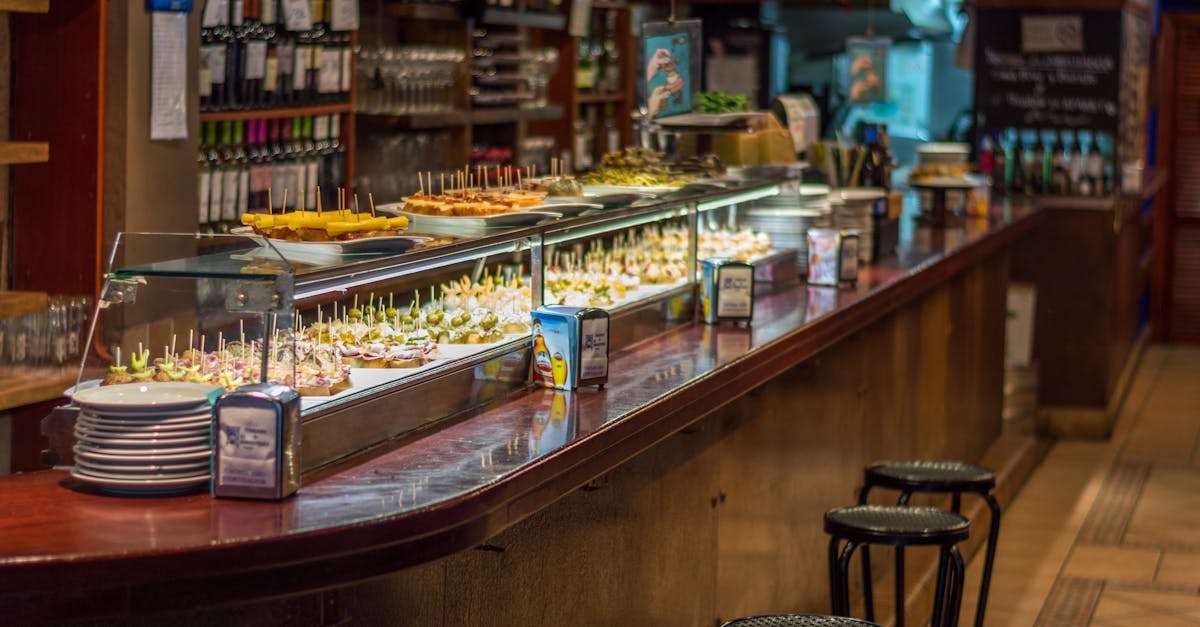
In Spain, tapas are far more than just a meal; they are a dynamic social ritual where the rhythm of your evening is dictated by the bar's atmosphere rather than a fixed menu. When you step into a bustling taberna, expect to stand at the counter or squeeze onto a high stool, as sitting down often implies a formal table service that isn't standard for casual grazing. Ordering is an art of spontaneity: simply point to what catches your eye from the display cases or ask the bartender for recommendations, and don't be surprised if your server brings small plates directly to your elbow without asking. The key is to move freely between bars, sampling a different specialty at each stop—perhaps anchovies at one and patatas bravas at another—to create a personalized culinary tour throughout the city.
Payment in the tapas world is uniquely flexible and often delayed until the end of your night, fostering a relaxed environment where conversation takes precedence over immediate transactions. Unlike other cultures where you settle the bill after every order, locals typically tally up their drinks and snacks on a napkin or chalkboard at the bar, paying only once when they are ready to leave. This "pay later" custom encourages lingering and sharing, but remember that tipping is not obligatory; leaving some loose change or rounding up the total is a polite gesture of appreciation rather than a strict requirement. Ultimately, enjoying tapas like a local means embracing this fluid pace, engaging with neighbors, and savoring each bite as part of a communal celebration of Spanish life.
 This photo was taken by Hert Niks on Pexels.