The Ultimate Guide to Spain's World Heritage Sites
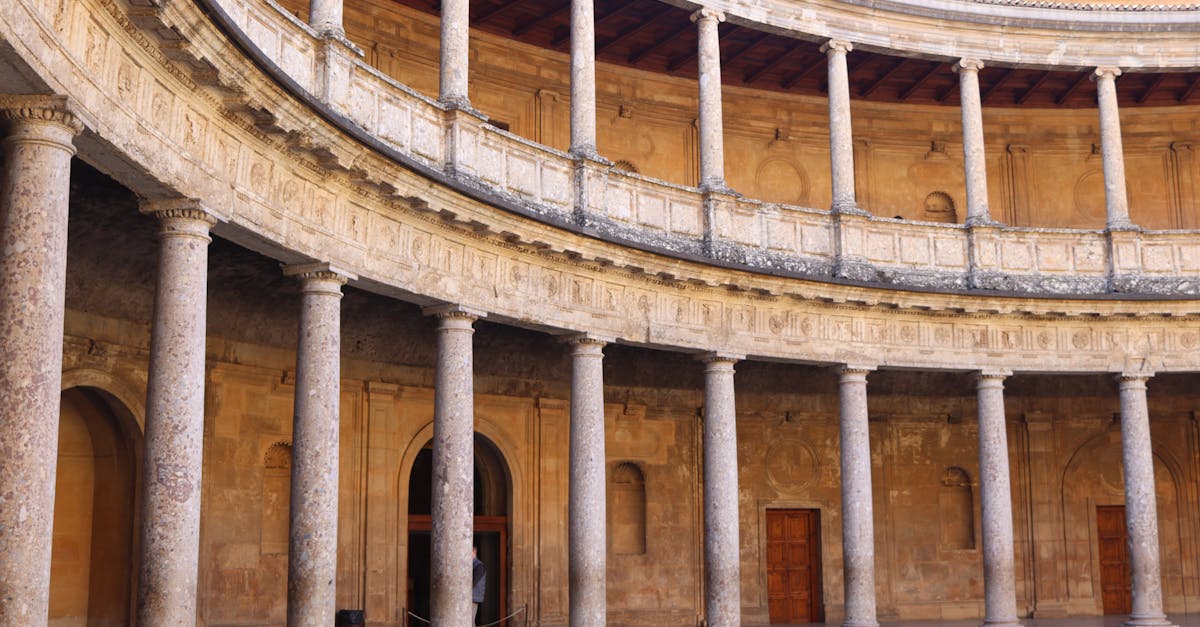 This photo was taken by José Manuel on Pexels.
Welcome to the heart of the Iberian Peninsula, a land where ancient history breathes through every stone and nature paints breathtaking canvases across diverse landscapes. As your local guide, I invite you to embark on a journey through Spain's most treasured treasures: its UNESCO World Heritage Sites. From the sun-drenched plazas of Andalusia to the misty peaks of the north, this country offers an unparalleled tapestry of human ingenuity and natural splendor. In this ultimate guide, we will explore the architectural marvels that define Andalusia, wander through historic cities that tell stories of empires past, and uncover the raw beauty of our caves and coastal wonders. Get ready to discover why Spain remains one of the world's most captivating destinations for culture seekers and adventurers alike.
Discovering the Architectural Marvels of Andalusia
Andalusia stands as the crown jewel of Spanish heritage, offering a breathtaking tapestry of architectural styles that tell the story of centuries of cultural fusion. As you wander through the winding streets of Granada, the Alhambra rises majestically against the Sierra Nevada mountains, its intricate Moorish stucco work and serene courtyards serving as a testament to the zenith of Islamic art in Europe. Just a short journey away, Seville's majestic cathedral, built upon the site of a great mosque, showcases a stunning blend of Gothic grandeur with Renaissance details, housing the tomb of Christopher Columbus and surrounded by the historic Giralda tower, once a minaret that now watches over the city's vibrant soul.
Beyond these iconic landmarks, the region invites exploration into a world where Christian, Jewish, and Muslim influences intertwine seamlessly in every stone. The white-washed villages of the Serranía de Ronda cling dramatically to deep gorges, while the Mezquita-Catedral in Córdoba offers an otherworldly forest of red-and-white striped arches that defy conventional description. Each site not only preserves the past but breathes life into the present, inviting travelers to step back in time and marvel at how these masterpieces have been lovingly maintained for generations, making Andalusia an essential chapter in any journey through Spain's World Heritage Sites.
 This photo was taken by Ron Lach on Pexels.
A Journey Through Spain's Historic Cities and Monuments
Embarking on a journey through Spain's historic cities reveals a breathtaking tapestry woven from centuries of Roman, Moorish, and Christian influences. In the ancient streets of Toledo, you can walk where El Greco once painted, admiring the harmonious blend of three cultures in its labyrinthine alleys and majestic cathedral. Similarly, Granada's Alhambra stands as a testament to the grandeur of Islamic art in Europe, with its intricate tilework, serene courtyards, and panoramic views over the Sierra Nevada mountains that leave every visitor in awe.
Beyond these iconic landmarks, Spain's World Heritage Sites offer an immersive dive into architectural marvels that defy time. From the soaring, unfinished masterpiece of Antoni Gaudí in Barcelona to the medieval fortifications of Cáceres, each monument tells a unique story of resilience and artistic evolution. Whether you are tracing the steps of pilgrims along the Camino de Santiago or exploring the prehistoric cave paintings of Altamira, these sites provide not just a glimpse into history, but a living connection to the soul of this vibrant nation.
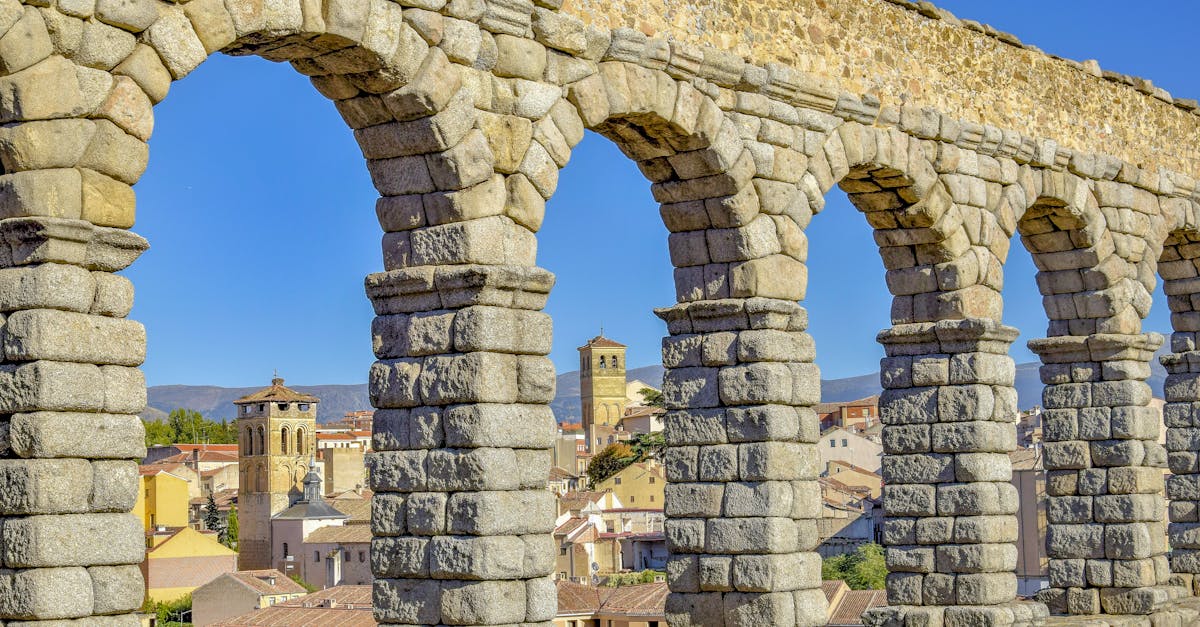 This photo was taken by Emilio Sánchez Hernández on Pexels.
Natural Wonders: From Caves to Coastal Landscapes
Delving into Spain's subterranean realms reveals a hidden world of geological marvels, most notably the awe-inspiring Caves of Altamira in Cantabria. Often hailed as the "Sistine Chapel of Prehistory," these caves feature breathtaking Paleolithic paintings that have been preserved for over 14,000 years, offering an intimate glimpse into the lives of our ancient ancestors while showcasing nature's ability to protect such fragile artistry. Beyond the interior, the country's coastal landscapes provide a dramatic counterpoint, where the rugged cliffs of the Picos de Europa plunge dramatically into the Cantabrian Sea, creating a vertiginous spectacle of limestone peaks meeting turquoise waters. This dynamic interplay between earth and ocean is further exemplified along the Costa del Sol and the wilder shores of Galicia, where sea stacks and hidden coves invite explorers to witness the raw power of the Atlantic and Mediterranean in their most pristine forms.
For the adventurous traveler, Spain's natural heritage extends far beyond its famous beaches, encompassing unique ecosystems that have earned UNESCO recognition for their ecological significance. The volcanic terrain of Timanfaya National Park in Lanzarote offers a surreal, Martian-like landscape shaped by centuries of eruptions, where geothermal energy still shapes the land today. Meanwhile, the ancient laurel forests of the Canary Islands represent a living relic from the Tertiary period, cloaking the islands in a mystical green canopy that has survived since the dinosaurs roamed the Earth. Whether you are hiking through the arid beauty of the Tabernas Desert or kayaking through the serene marshlands of Doñana, these diverse environments highlight Spain's commitment to preserving its natural wonders alongside its cultural treasures, ensuring that every visitor leaves with memories of both human ingenuity and nature's enduring grandeur.
 This photo was taken by Erik Mclean on Pexels.