The Ultimate Guide to Spain's Best Tapas Bars in Every Region
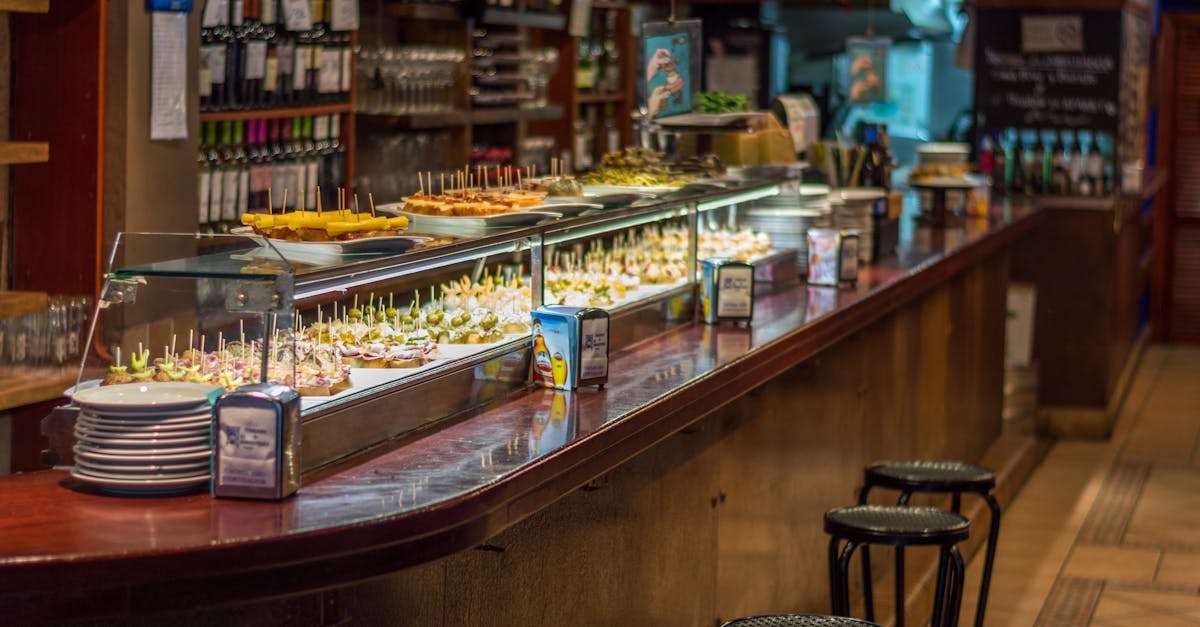 This photo was taken by Hert Niks on Pexels.
Welcome to the heart of Spanish culture, where every meal is an adventure and the bar stool is your best seat in the house. Spain's culinary soul beats strongest in its tapas bars, but what makes a truly unforgettable experience isn't just the food—it's the story behind each bite, from the bustling pintxo counters of the Basque Country to the sun-drenched plazas of Andalusia. In this ultimate guide, we'll take you on a flavorful journey across every region, uncovering legendary institutions alongside hidden local gems that only the locals know. Whether you are looking to master the art of ordering like a true Madrileño or simply want to savor the perfect montadito in Seville, get ready to elevate your taste buds and discover why eating tapas is much more than just dinner; it's a way of life.
From Basque Pintxos to Andalusian Montaditos: A Regional Tour
Begin your culinary journey in the north, where the Basque Country reigns supreme with its legendary pintxos culture. Here, tapas are not merely appetizers but small works of art perched on bread and secured by a toothpick, inviting you to hop from bar to bar in vibrant streets like those of San Sebastián's Parte Vieja. From salt-cured anchovies atop grilled peppers to rich croquetas that melt in your mouth, each bite is a celebration of local ingredients and meticulous craftsmanship. As you navigate these bustling counters, you will quickly learn that the experience is as much about the lively atmosphere and the camaraderie of sharing plates as it is about the exquisite flavors that define this gastronomic paradise.
Traveling south, the vibe shifts dramatically yet remains equally delicious as you enter Andalusia to discover the unique world of montaditos. Unlike their northern counterparts, these open-faced sandwiches are often served stacked high or arranged beautifully on wooden boards, offering a more casual and expansive dining style found in the historic plazas of Seville or Granada. Imagine savoring slices of jamón ibérico paired with creamy avocado, or spicy chorizo nestled against sweet roasted peppers, all washed down with a refreshing sherry or a crisp tinto de verano. This southern tour highlights how regional traditions transform simple ingredients into a diverse tapestry of tastes, proving that Spain's tapas scene is a vast and varied landscape waiting to be explored one bite at a time.
 This photo was taken by Erik Mclean on Pexels.
Hidden Gems: Local Favorites Off the Beaten Path
While the famous tapas bars in Barcelona and Madrid often draw long queues, some of the most authentic culinary experiences are tucked away in narrow alleyways known only to locals. In Seville, skip the crowded Plaza de la Encarnada and venture into the Santa Cruz neighborhood's lesser-known courtyards to find family-run tabernas serving "pescaíto frito" alongside a glass of fino that has been aged for decades. Similarly, in the Basque Country, look beyond the pintxos counters of San Sebastián's Old Town; the real treasures are found in small, unmarked doors in towns like Getaria or Zarautz, where grandmothers still prepare traditional dishes using ingredients caught that morning from the Cantabrian Sea.
These hidden gems offer more than just exceptional food; they provide an intimate glimpse into Spain's regional soul without the tourist crowds. In Valencia, seek out the tiny "bodegas" behind the Central Market where locals gather to enjoy fresh paella cooked over open wood fires, a tradition rarely seen in the city center's main squares. Whether you are wandering through the historic streets of Granada or exploring the rugged coast of Galicia, these off-the-beaten-path establishments reward the curious traveler with warm hospitality and flavors that have remained unchanged for generations, proving that the best memories are often made far from the postcard views.
 This photo was taken by Mariusz on Pexels.
Etiquette and Ordering: How to Eat Like a True Madrileño or Sevillano
Navigating the bustling tapas bars of Madrid or Seville requires a subtle shift in mindset, as the rhythm of dining here is far more social and leisurely than elsewhere. In Madrid, you will often find locals standing shoulder-to-shoulder at the bar, ordering multiple small plates to share while engaging in lively debate; never feel pressured to order a full meal immediately, as the art lies in grazing through several rounds of "cañas" (small beers) and varied raciones. Conversely, in Seville, the etiquette leans heavily towards the concept of "tapeo," where hopping from one establishment to another is the norm, but remember that it is considered rude to linger over a single drink without ordering something to eat, so always pair your beverage with a tapa to respect the local custom.
When it comes to actually placing your order, keep in mind that pointing at items on a menu is rarely sufficient; instead, ask the server for recommendations based on what is fresh that day, as the best dishes are often not listed but prepared spontaneously by the chef. In both cities, tipping is not mandatory in the same way it is in North America, though leaving some loose change or rounding up the bill is a polite gesture for good service, and you should never expect a waiter to bring food to your table unless you are seated in a private room—part of the authentic experience is approaching the counter to pay for your drinks and snacks before finding your spot. By embracing this interactive, standing-room style of dining, you transform a simple meal into a cultural immersion that truly captures the soul of Spanish hospitality.
 This photo was taken by Bence Szemerey on Pexels.