The Slow Food Movement: Tasting Local Delights in Galicia
 This photo was taken by Erik Mclean on Pexels.
Welcome to the green heart of Spain, where the Atlantic mist kisses ancient coastlines and the rhythm of life slows down just enough for you to truly savor every moment. Galicia is not merely a region; it is a symphony of flavors rooted in deep tradition, where the land and sea conspire to create culinary magic that defies haste. In this journey through our northern paradise, we invite you to step away from the hurried tourist trail and immerse yourself in the philosophy of Slow Food. Together, we will uncover the secrets behind the legendary Pulpo á Feira, trace the crisp, mineral notes of Rías Baixas wines and artisanal cheeses back to their vineyard origins, and wander through the bustling, aromatic markets of Santiago de Compostela to discover how local fishermen and farmers source the freshest seasonal treasures. Get ready to awaken your senses, for here in Galicia, every meal tells a story of history, passion, and the pure joy of eating well.
Discovering Galicia's Hidden Gem: The Art of the Pulpo á Feira
While the bustling markets of Santiago de Compostela often steal the spotlight, the true soul of Galician gastronomy lies in the rustic simplicity of a pulpo á feira served on wooden planks in small town festivals across the region. This iconic dish, featuring octopus tenderized by rhythmic strikes against a wooden post before being boiled to perfection and seasoned generously with coarse sea salt and paprika, embodies the Slow Food philosophy perfectly. It is not merely a meal but a communal ritual that celebrates local ingredients and time-honored techniques, inviting visitors to slow down and savor the ocean's bounty exactly as it has been prepared for centuries without unnecessary modern interference.
Immersing yourself in this culinary tradition offers more than just a delicious taste; it provides a window into the deep cultural heritage of Galicia, where the rhythm of life is dictated by the tides and the seasons. As you sit at a weathered table in a village like O Carballiño or Pontevedra, watching the locals gather around the steaming pots, you realize that every bite tells a story of resilience and pride. By choosing to experience these authentic flavors, travelers become active participants in preserving this living heritage, supporting local fishermen and farmers who continue to uphold the values of sustainability and quality that define the Slow Food movement in northern Spain.
 This photo was taken by Björn Austmar Þórsson on Pexels.
From Vineyard to Table: A Journey Through Rías Baixas Wines and Cheeses
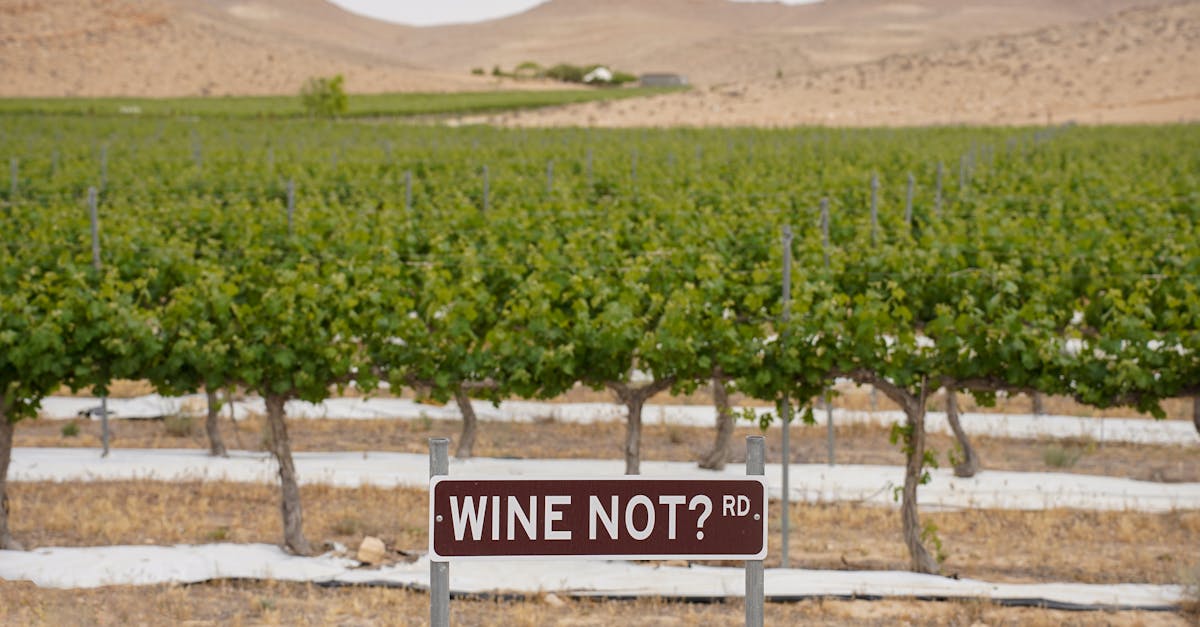
Nestled in the lush, rain-kissed valleys of Galicia's Rías Baixas, a culinary symphony unfolds where the misty Atlantic breeze meets the earth to produce some of Spain's most celebrated treasures. Here, the Albariño grape thrives on steep slopes, its vines cradled by pergolas that protect against humidity while capturing the essence of the sea; the resulting wines are crisp, aromatic, and brimming with notes of white peach and citrus that perfectly capture the region's coastal soul. A visit to a local bodega is not merely a tasting but an immersion into a heritage passed down through generations, where the winemaker invites you to walk the rows at sunset, explaining how the unique granite soils impart a distinct minerality to every glass, creating a sensory bridge between the ancient vineyard and your palate.
As the sun dips below the horizon, the journey from vineyard to table reaches its crescendo with the region's equally renowned cheeses, particularly the creamy, tangy varieties made from cow or sheep milk found in small artisanal dairies known as "cabañas." Imagine sitting on a rustic wooden terrace, the air filled with the scent of woodsmoke and fresh herbs, as you slice into a wheel of cheese that has been aged just long enough to develop a rich, buttery texture without losing its fresh, grassy undertones. Paired with a chilled glass of Albariño, the sharp acidity of the wine cuts through the richness of the cheese, creating a harmonious balance that epitomizes the Slow Food philosophy: taking time to savor ingredients that are grown, harvested, and crafted with deep respect for the land and the people who tend it.
 This photo was taken by Samir Smier on Pexels.
The Soul of the Market: Sourcing Seasonal Seafood in Santiago de Compostela
While Santiago de Compostela is often celebrated for its historic pilgrimage routes, the true heartbeat of Galician gastronomy pulses within its bustling local markets, particularly the Mercado de Abastos. Here, you will find vendors who have mastered the art of sourcing the day's catch directly from the Atlantic coast, offering a vibrant tapestry of seasonal seafood that defines the Slow Food philosophy in this region. In winter, the market overflows with razor clams and mussels, while summer brings the delicate sweetness of prawns and the rich flesh of turbot, all selected with an intuitive knowledge of tides and seasons that ensures every bite captures the essence of the ocean.
Embracing the spirit of the Slow Food Movement means taking time to engage with these local purveyors, learning not just what is fresh but why it matters to the community's culinary identity. As you wander through the stalls, you might sample a simple dish of grilled octopus or a steaming bowl of shellfish stew prepared right on-site, savoring flavors that are unadulterated by industrial processing. This deep connection between the fisherman, the market seller, and the diner in Santiago creates an authentic dining experience where sustainability meets tradition, proving that the most memorable meals are those rooted in the rhythm of nature and the hands of the people who tend to them.
This photo was taken by Erik Mclean on Pexels.