The Secret Side of Valencia: Paella, Science City, and Turia Gardens
 This photo was taken by Zakhar Vozhdaienko on Pexels.
Welcome to Valencia, a city where the sun-drenched coast meets a vibrant cultural heartbeat that often goes unnoticed by the hurried traveler. While many arrive with visions of golden rice and futuristic architecture, the true magic of this Mediterranean gem lies in the stories hidden between the sights. In this post, we invite you to peel back the tourist layers and discover the secret side of our beloved city. We will journey beyond the restaurant plates to uncover the authentic rituals of traditional Paella, explore how the City of Arts and Sciences redefines the boundary between innovation and art, and take a leisurely stroll through the lush, green lungs of the Turia Gardens—a river transformed into nature's playground. Get ready to experience Valencia not just as a destination, but as a living, breathing masterpiece.
Beyond the Plate: Unearthing Valencia's Authentic Paella Traditions
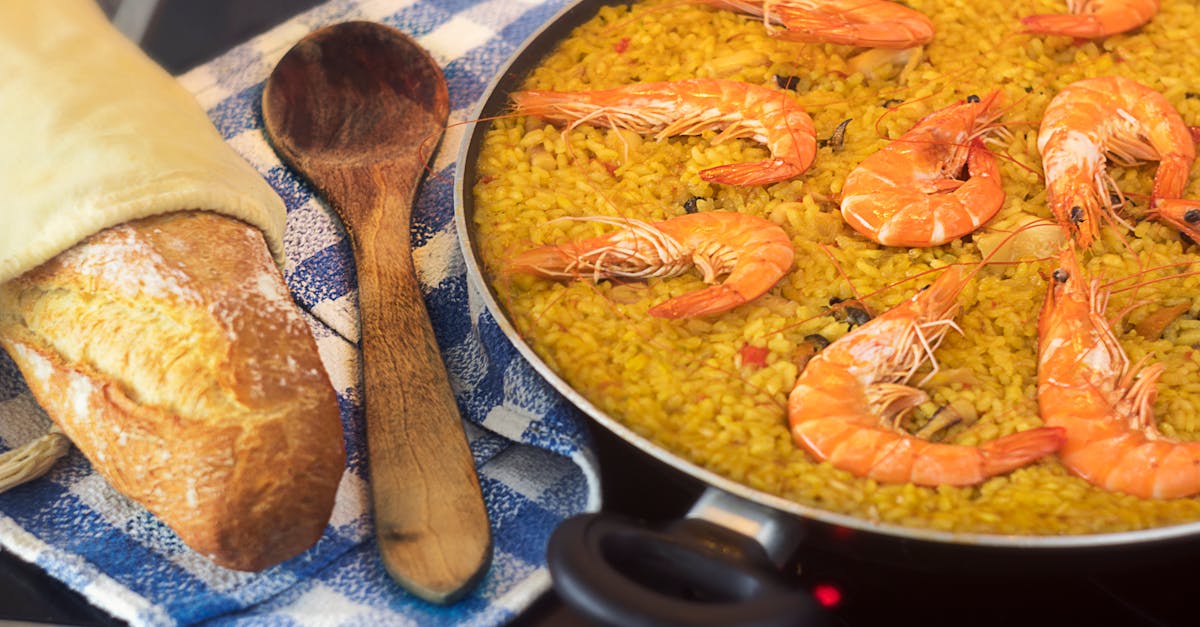
While the bustling tourist areas of Valencia are quick to serve a colorful, saffron-infused rice dish with prawns and mussels, the true soul of authentic paella lies in the humble rural horts (market gardens) just outside the city center. Here, the tradition is strictly governed by the local "sociedad" culture, where the only acceptable ingredients are rabbit, chicken, green beans known as ferraura, and sometimes snails, all cooked over an open oak wood fire. The secret to this culinary masterpiece is not hidden spices but rather the specific variety of short-grain rice, such as Bomba, which absorbs liquid without becoming mushy, creating a distinct, crispy layer of toasted rice at the bottom called the socarrat. This technique, perfected over generations, transforms simple farm produce into a dish that tells the story of Valencia's agricultural history rather than its seafood trade.
Understanding these traditions requires more than just tasting; it demands participation in the rhythm of the Valencian Sunday lunch, a ritual that often begins early in the morning when families gather to prepare the ingredients together. In these intimate settings, you will rarely see the addition of peas, peppers, or chorizo, additions that are common abroad but considered sacrilege by purists who view paella as a dish of the land, not the sea. By venturing beyond the typical tapas bars and into these family-run paellerías or private gatherings, visitors gain access to a living heritage where the cooking process itself is a performance of patience and respect for nature. It is here, away from the crowds, that the science of perfect rice texture meets the art of communal dining, offering a genuine glimpse into the heart of Valencian identity.
 This photo was taken by Jean-Paul Wettstein on Pexels.
Where Innovation Meets Art: A Deep Dive into the City of Arts and Sciences
Nestled within the reclaimed bed of the Turia River, the City of Arts and Sciences stands as a breathtaking testament to where futuristic innovation converges with avant-garde art. Designed by the visionary Santiago Calatrava and Félix Candela, this architectural marvel is not merely a collection of buildings but a living organism that pulses with light and water. Visitors are immediately captivated by the striking white curves of the Hemisfèric cinema and the skeletal grandeur of the Science Museum, which invites guests to explore the wonders of technology through interactive exhibits. It is a place where the boundaries between reality and imagination blur, offering a surreal experience that feels more like stepping into a sci-fi film than visiting a traditional cultural institution.
Beyond its visual splendor, this complex serves as a vibrant hub for education and discovery, seamlessly integrating scientific learning with artistic expression. The Oceanogràfic, the largest aquarium in Europe, allows tourists to swim alongside dolphins and wander through underwater tunnels, fostering a deep connection with marine life while highlighting conservation efforts. Whether you are attending a concert in the majestic L'Hemisfèric or simply strolling along the reflective pools at sunset, the atmosphere here is one of pure wonder. This district proves that Valencia is not just a city of history and gastronomy, but a forward-thinking metropolis where the future is being built today, making it an essential stop on any journey through Spain's most dynamic regions. This photo was taken by Erik Mclean on Pexels.
The River That Became a Park: Wandering Through the Lush Turia Gardens
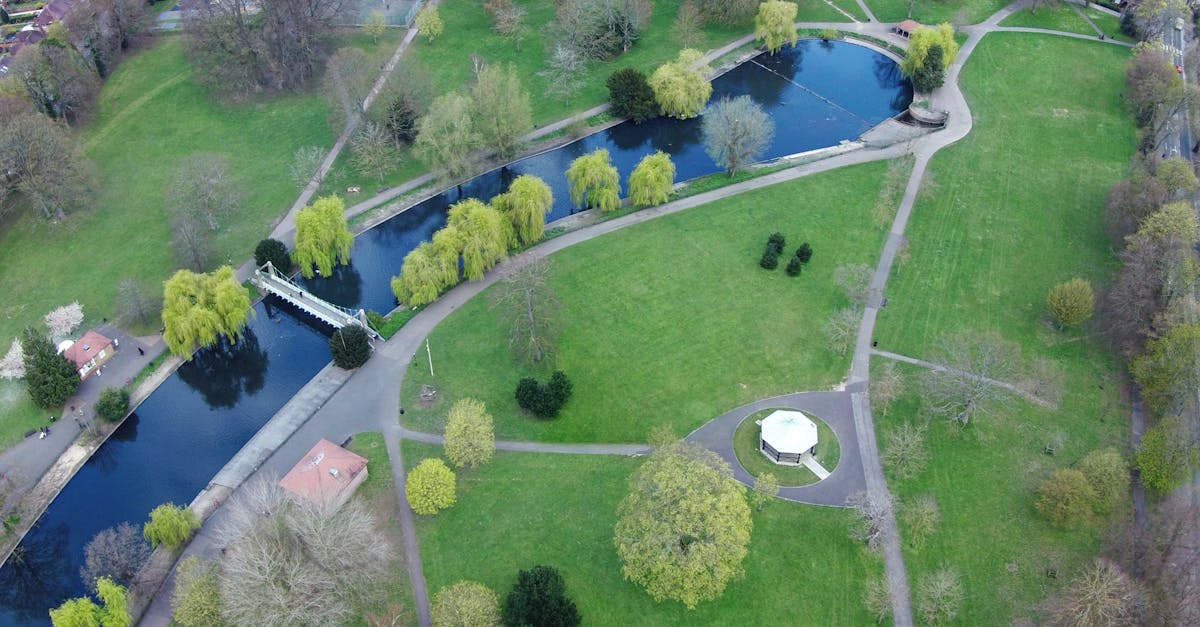
Once a notorious flood-prone river that threatened Valencia's historic center, the Turia has been transformed into one of Europe's most spectacular urban green spaces. After the catastrophic floods of 1957 diverted the watercourse, city planners seized the opportunity to turn the dry riverbed into a vibrant 9-kilometer park that slices right through the heart of the city. Today, this lush corridor offers a serene escape from the bustling streets, lined with ancient oak trees, colorful flower beds, and winding paths perfect for jogging or leisurely strolls. As you wander through its diverse zones, you will discover everything from quiet picnic spots under sprawling canopies to modern playgrounds and sports facilities, all seamlessly integrated into the natural landscape.
What makes the Turia Gardens truly unique is how it connects some of Valencia's most iconic landmarks without ever requiring you to cross a busy road. Your walk might take you past the futuristic Hemisfèric and the stunning Oceanogràfic, part of the renowned City of Arts and Sciences, before leading you directly to the historic University City and the old aqueducts. It is a living museum of engineering and ecology, where the silence of nature contrasts beautifully with the hum of the nearby metropolis. Whether you are watching locals play football on hidden pitches, exploring the botanical gardens, or simply enjoying a sunset over the treetops, the Turia reveals a relaxed, green side of Valencia that feels worlds away from the crowded tourist hotspots.
 This photo was taken by Altaf Shah on Pexels.