The Medieval Towns of Castile: Time Travel in Segovia and Ávila
 This photo was taken by Mike Norris on Pexels.
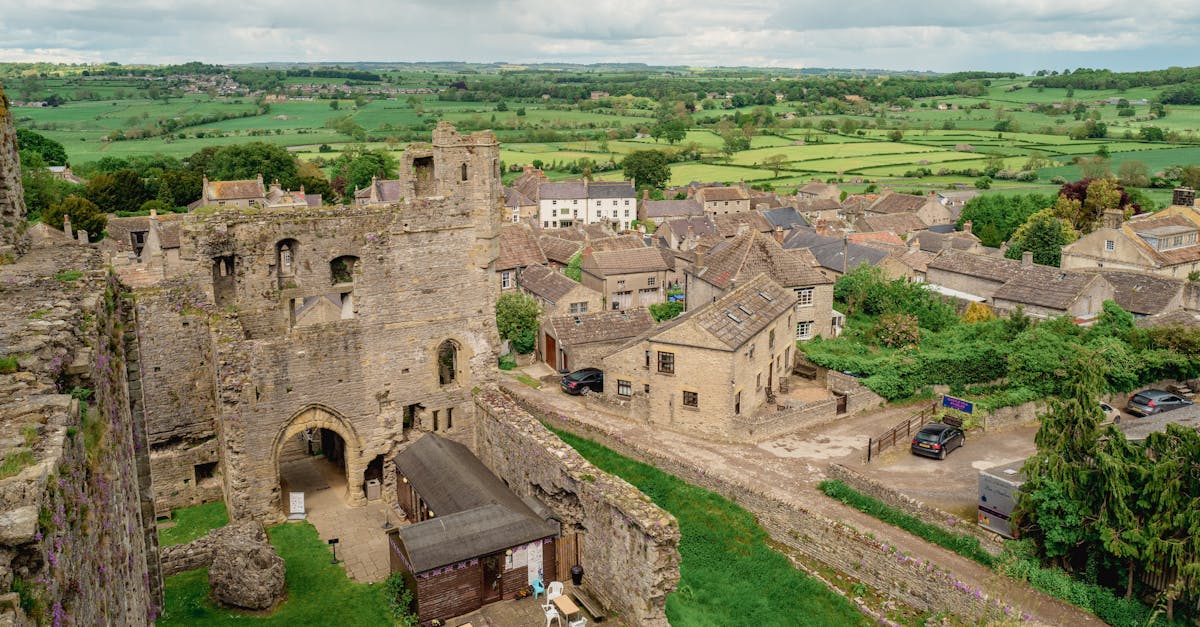
Step back into the golden age of knights and castles as we embark on a journey through the historic heart of Spain. The region of Castile offers an unparalleled time-travel experience, where the past is not merely remembered but lived within its ancient stones. In this post, we will guide you through the enchanting medieval towns of Segovia and Ávila, two jewels that have preserved their architectural grandeur for centuries. From the winding cobblestone alleys that whisper tales of old to the imposing ramparts that once protected these cities from invaders, prepare to be transported to a world of chivalry and stone. Join us as we explore the culinary delights waiting at every corner and uncover the hidden gems tucked away in Castile's medieval soul.
Wandering the Stone Streets of Segovia's Historic Center
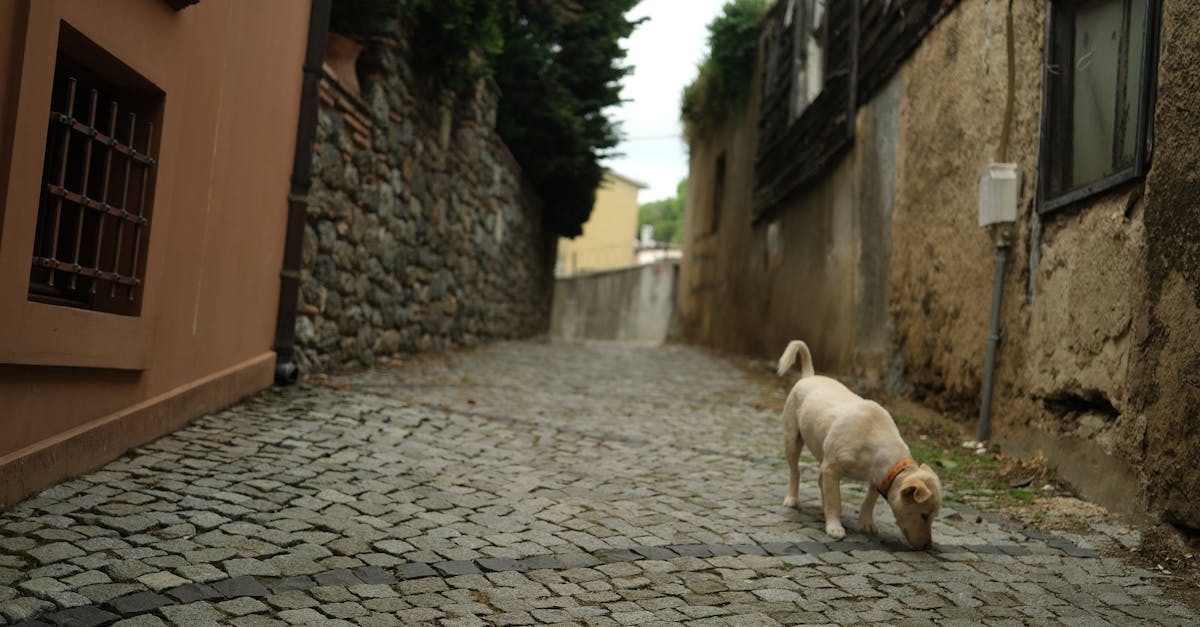
Stepping into Segovia's historic center feels less like a tourist visit and more like stepping back into the 15th century, where the air is crisp and the cobblestones whisper tales of ancient kings. As you wander through the narrow, winding lanes of the Barrio de la Cava, the imposing silhouette of the Roman aqueduct dominates the skyline, its massive stone arches standing as a testament to engineering prowess that has survived for nearly two millennia. The architecture here is a breathtaking tapestry of Gothic spires, Mudéjar details, and medieval fortifications, all bathed in the warm, golden light that seems to cling to the sandstone buildings. Every corner reveals a hidden courtyard or a charming plaza where locals gather, inviting you to pause and soak in an atmosphere that remains remarkably untouched by modern haste.
The true magic of Segovia lies in the way these stone streets invite exploration on foot, encouraging visitors to lose themselves in a labyrinth of history rather than rushing toward a destination. You might find yourself drawn into the shadow of the Alcázar, a fairytale fortress that inspired Disney's Cinderella Castle, or perhaps linger in the Plaza Mayor, surrounded by elegant arcades that once hosted bustling markets and royal proclamations. The tactile experience of running your hand along the weathered granite walls while listening to the distant tolling of church bells creates a sensory immersion that digital guides simply cannot replicate. In this living museum, every step taken on the uneven stones connects you directly to the past, making the medieval spirit of Castile feel vividly present and alive today.
 This photo was taken by Tuğçe Açıkyürek on Pexels.
Scaling the Fortified Walls of Ávila: A Walk Through History
Standing atop the imposing ramparts of Ávila, you are immediately transported back to the 11th century, where the city's legendary stone walls served as an impenetrable shield against invaders. Spanning nearly three kilometers and punctuated by over eighty towers, these fortifications are not merely a defensive structure but a living museum that offers breathtaking panoramic views of the Sierra de Gredos mountains and the red-tiled rooftops below. As you walk along the narrow path, tracing the route once patrolled by medieval guards, the sheer scale of the engineering becomes apparent; every step reveals the enduring legacy of a time when this walled city was a crucial stronghold in the Reconquista, protecting the heart of Castile with its thick granite blocks and strategic sentry points.
Beyond the physical act of climbing the stairs and navigating the crenellated walkways, the experience is deeply immersive, allowing you to feel the weight of history under your boots while hearing the echoes of ancient battles in the wind. The walls enclose a labyrinth of cobblestone streets lined with Romanesque churches and grand palaces, creating a seamless blend of military might and spiritual devotion that defines Ávila's unique character. Whether you visit at sunrise when the golden light bathes the stones in warmth or at twilight when the shadows lengthen across the landscape, scaling these walls provides an unparalleled perspective on how the medieval towns of Castile preserved their identity through centuries of turmoil, making it a must-visit destination for any traveler seeking a true time travel adventure in Spain.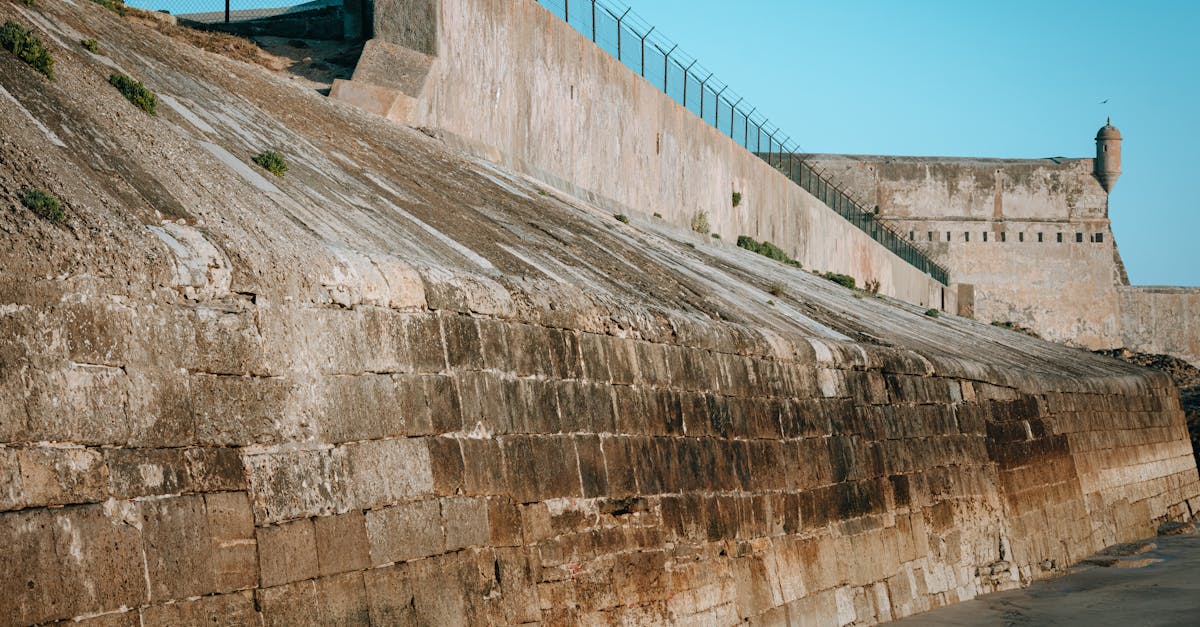 This photo was taken by Nesshi Oliveira on Pexels.
Culinary Delights and Hidden Gems in Castile's Medieval Heart
Immerse yourself in the gastronomic soul of Castile, where the rugged landscape yields ingredients that have defined Spanish cuisine for centuries. In Segovia, no visit is complete without savoring the legendary cochinillo asado, a suckling pig roasted to perfection in wood-fired ovens until the skin crackles like glass and the meat melts on the tongue. Just beyond the city walls, venture into the quiet villages of the province to discover hidden taverns serving sopa de ajo, a rustic garlic soup enriched with smoked paprika and fried eggs, a dish born from the necessity of keeping laborers warm during chilly medieval winters. The region's culinary identity is deeply rooted in its history, offering hearty stews made from local lamb and game, accompanied by robust red wines from the nearby Ribera del Duero vineyards that have been cultivated since Roman times.
Beyond the bustling main squares, the true magic of Castile lies in its lesser-known culinary treasures tucked away in narrow alleyways and family-run bodegas. Seek out the artisanal cheeses of the Sierra de Gredos, particularly the creamy Queso de la Serena, often paired with honey or quince paste in small, unassuming eateries that have operated for generations. As you wander through Ávila, look past the imposing fortress walls to find markets selling morcilla (blood sausage) grilled over open flames, a street food staple that offers a smoky, spiced depth unmatched elsewhere. These hidden gems provide an intimate connection to the past, allowing travelers to taste the very flavors that sustained the knights and merchants who once walked these same cobblestone streets, turning every meal into a delicious journey back in time.
 This photo was taken by Thu Huynh on Pexels.