The Magic of Spanish Festivals: La Tomatina, Running of the Bulls, and More
 This photo was taken by Caique Araujo on Pexels.
Welcome to the heart of Spain, where every season pulses with rhythm and every village transforms into a stage for unforgettable spectacles. As your local guide, I invite you to step beyond the sun-drenched beaches and historic cathedrals to discover the raw, electric energy that defines our national soul: our festivals. From the crimson deluge of La Tomatina in Buñol, where strangers become friends through a playful battle of squashed tomatoes, to the thundering hooves and ancient traditions of the Running of the Bulls in Pamplona, these events are more than mere celebrations; they are living history. Join me as we dive deep into the fiery chaos of Buñol, explore the adrenaline-fueled streets of Pamplona, and uncover the vibrant tapestry of cultural gatherings that make Spain truly magical.
The Fiery Chaos of La Tomatina in Buñol
Every last Wednesday of August, the sleepy town of Buñol transforms into a kaleidoscope of red pulp as thousands of participants descend upon the streets for La Tomatina, the world's most famous food fight. What begins as a chaotic explosion of over 100 tons of ripe tomatoes quickly turns the cobblestones and historic buildings into a sea of crimson, creating an unforgettable sensory experience where laughter echoes louder than any siren. As trucks dump truckloads of bruised produce onto waiting crowds, the air fills with the sweet, earthy scent of crushed fruit, turning a simple agricultural surplus into a global celebration of pure, unadulterated fun that knows no boundaries.
Beyond the sheer spectacle, this fiery chaos serves as a unique social equalizer, temporarily dissolving inhibitions and uniting strangers in a shared, messy embrace. Once the clock strikes noon and the final tomato is thrown, the community joins forces to clean the streets together, often using fire hoses to wash away the remnants of the battle while locals and tourists alike share beers in the plaza, reflecting on the day's vibrant madness. It is more than just a festival; it is a testament to Spain's ability to turn everyday life into an extraordinary event, leaving every visitor with a heart full of joy and a shirt permanently stained with memories of Buñol's summer wonder.
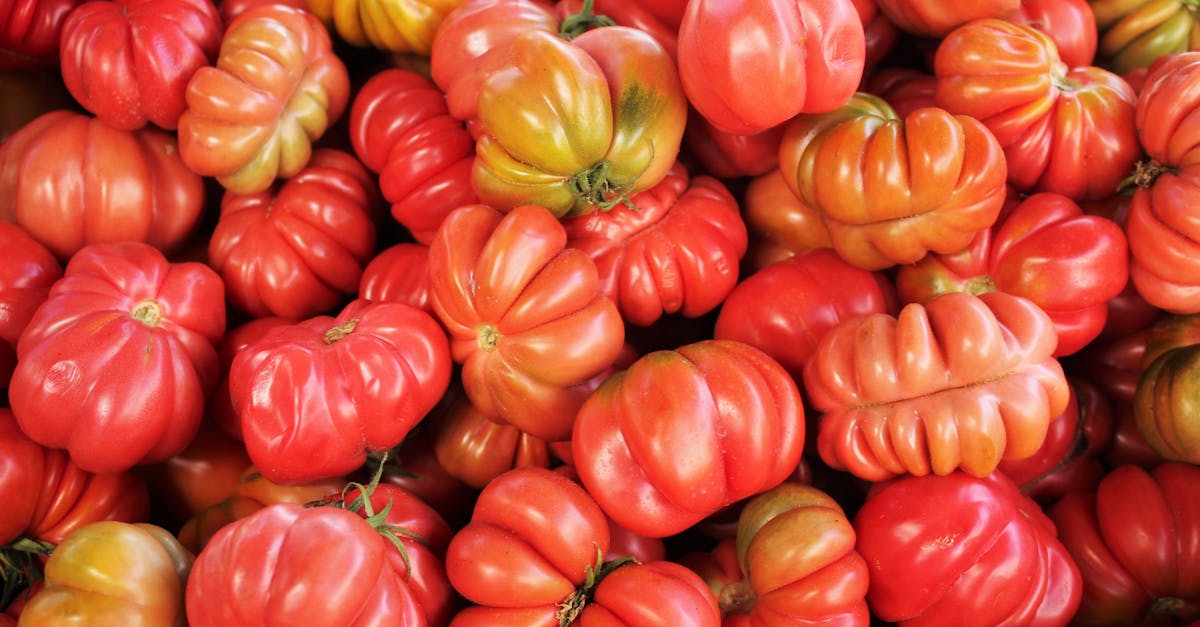 This photo was taken by Aragonés on Pexels.
Adrenaline and Tradition: The Running of the Bulls in Pamplona
Adrenaline and Tradition: The Running of the Bulls in Pamplona
Every July, the narrow cobblestone streets of Pamplona transform into a pulsating arena of heart-pounding excitement during San Fermín, the world-famous festival featuring the encierro. For seven days, participants don white shirts with red scarves to run alongside six powerful bulls through an 800-meter course, a tradition that dates back centuries and blends raw courage with deep-rooted cultural heritage. While the adrenaline rush is undeniable for those brave enough to join the fray, the true spirit of the event lies in the communal atmosphere; thousands gather in the plaza to cheer on the runners, creating an electric bond between locals and visitors that transcends mere spectacle.
Beyond the danger and the thrill, the running of the bulls is a profound celebration of Navarrese identity, marked by the singing of hymns, the lighting of bonfires, and the relentless partying that lasts from dawn until late at night. Even for spectators who prefer to watch from behind safety barriers, the festival offers an immersive experience where history feels alive, with every corner echoing with laughter, music, and the rhythmic thunder of hooves. Whether you are lacing up your sneakers to run or simply soaking in the vibrant energy of the crowd, this iconic event remains a testament to Spain's unique ability to fuse ancient customs with modern passion.
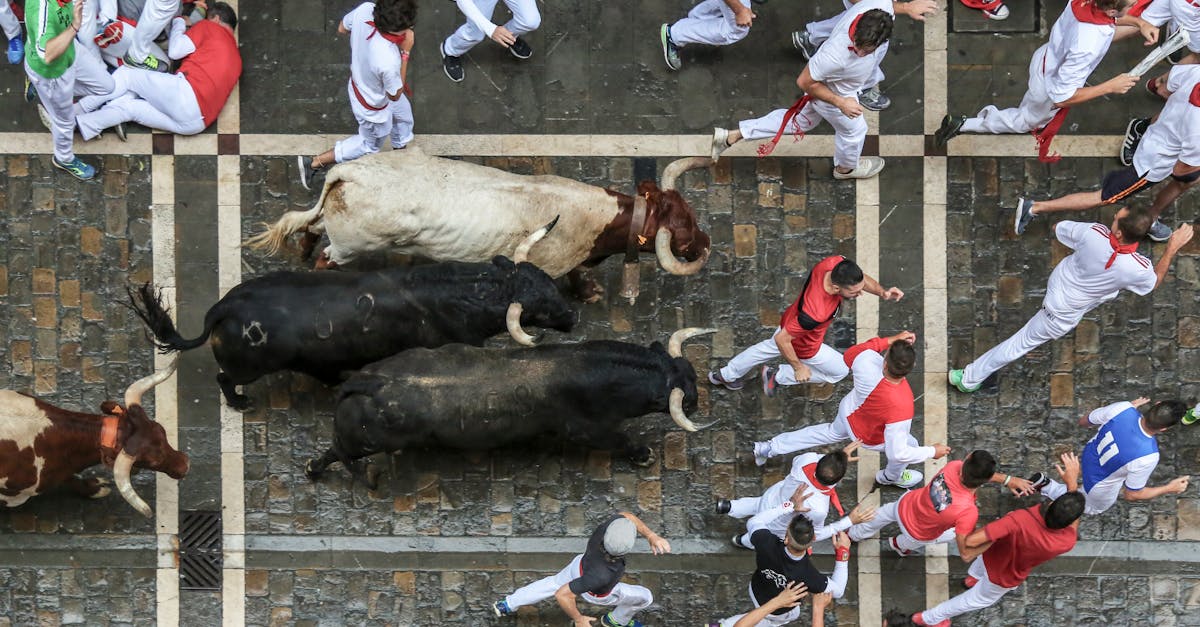 This photo was taken by San Fermin Pamplona on Pexels.
Beyond the Headlines: Spain's Vibrant Cultural Celebrations
While the headlines often focus on the adrenaline-fueled chaos of La Tomatina in Buñol or the historic intensity of San Fermín's Running of the Bulls, Spain's true cultural heartbeat beats in a thousand quieter, yet equally mesmerizing celebrations that have been passed down through generations. From the fiery dance of the Moros y Cristianos festivals across Andalusia to the intricate float parades of Las Fallas in Valencia, where entire neighborhoods craft massive satirical sculptures only to set them ablaze, these events are not merely spectacles but profound expressions of community identity and historical memory. Each region infuses its unique local traditions with a distinct flavor, turning ordinary streets into stages where centuries-old rituals blend seamlessly with modern joy, inviting visitors to witness the raw authenticity of Spanish life rather than just observing it from afar.
What truly sets these festivities apart is the inclusive spirit that permeates every corner of the country; here, the line between performer and spectator dissolves completely, encouraging everyone to join in the revelry regardless of their background. Whether you are dancing until dawn during the Feria de Abril in Seville, covered in flour and laughter at the Carnival of Cádiz, or participating in the solemn yet vibrant processions of Holy Week, you become an integral part of the narrative rather than a passive observer. These gatherings offer a rare glimpse into the soul of Spain, demonstrating how the nation celebrates its heritage with such passion and unity that they transform fleeting moments into unforgettable memories, proving that the magic lies not just in the event itself, but in the shared human connection that fuels the celebration.
 This photo was taken by Quang Nguyen Vinh on Pexels.