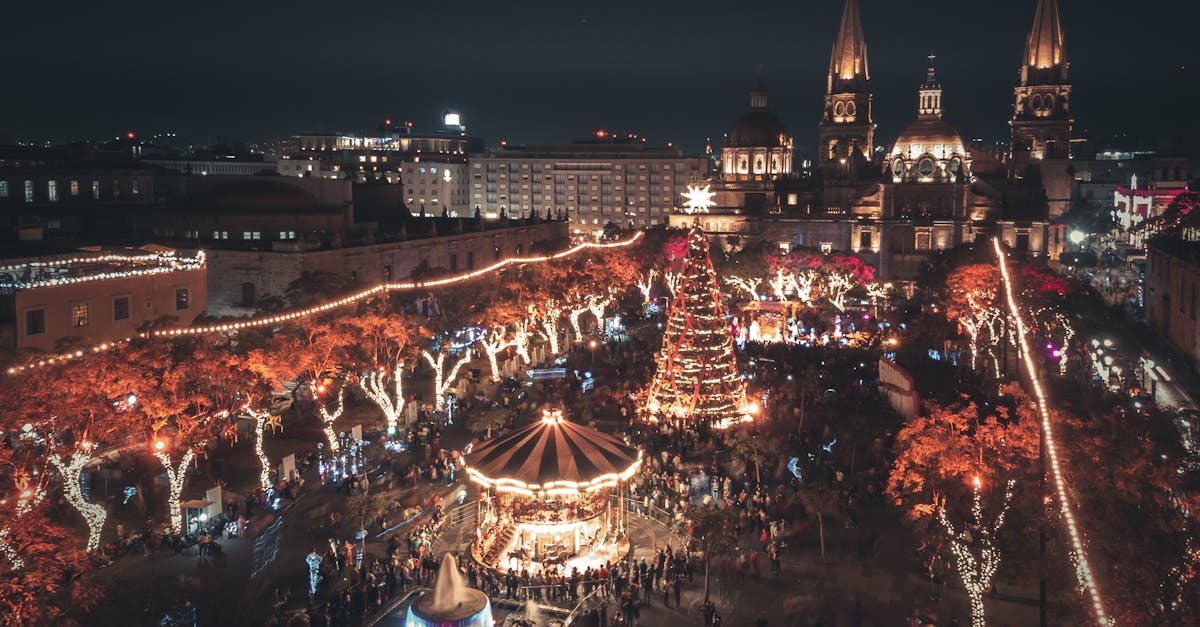
 This photo was taken by Krizalid Daza on Pexels.
As the crisp winter air sweeps across our beautiful country, Spain transforms into a dazzling spectacle of light, sound, and tradition. From the misty, pine-scented forests of the Basque Country to the sun-drenched plazas of Andalusia, the holiday season is far more than just a time for celebration; it is a deep-rooted cultural experience that invites you to walk through history with every step. Whether you are seeking the enchanting charm of Northern Christmas markets filled with local crafts and hot chocolate, eager to witness unique regional festivals that have been passed down for centuries, or simply ready to embark on a culinary journey tasting everything from turron to polvorones, this guide will be your compass through the most magical weeks of the year. Join us as we explore the heart and soul of Spanish Christmas.
The Enchanting Christmas Markets of the North
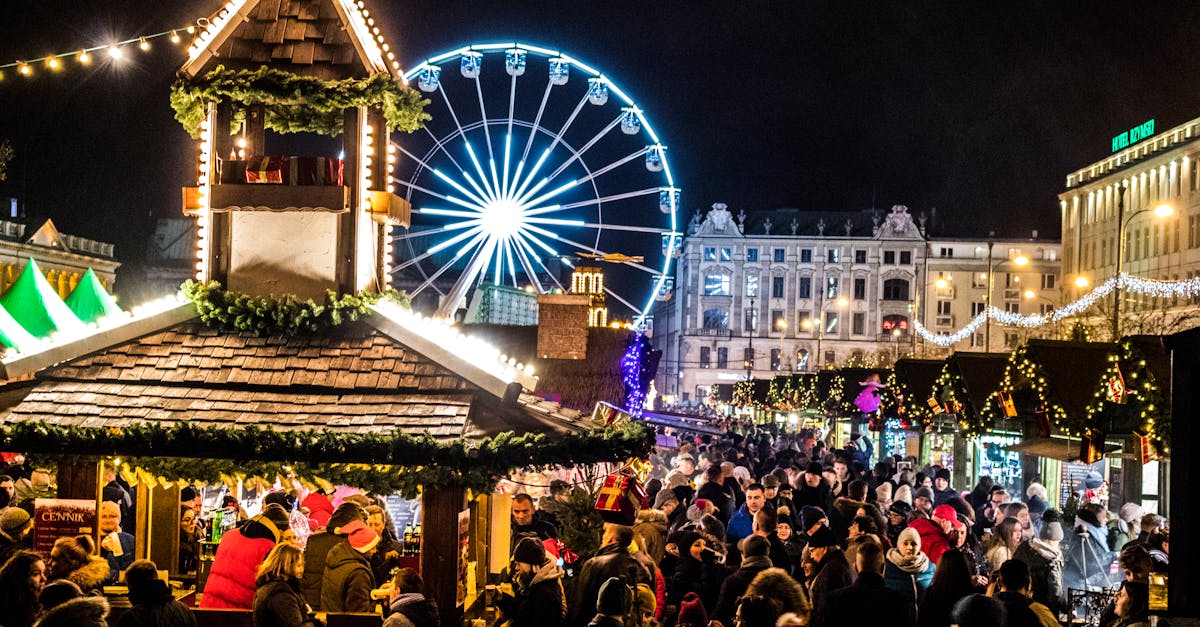
While the sun-drenched south basks in mild winter weather, northern Spain transforms into a fairytale landscape where the chill of the Atlantic meets the warmth of tradition. Cities like Bilbao, San Sebastián, and Pamplona host some of Europe's most atmospheric Christmas markets, often nestled against the backdrop of snow-capped Pyrenees or historic Gothic cathedrals. Here, you can wander through wooden stalls draped in fairy lights, inhaling the rich aroma of txakoli wine mulled with cinnamon and oranges, a distinct twist on the classic German Glühwein. The air is filled with the sound of Basque folk music echoing off cobblestone streets as families gather to buy handcrafted woolen goods, intricate ironwork, and local cheeses wrapped in wax paper.
These northern festivities are not merely about shopping; they are a profound celebration of community and heritage that extends well beyond December 25th. In the heart of the Basque Country, the markets often feature live performances by traditional bertso singers and giant puppet parades that delight children and adults alike. As evening falls, the scent of freshly grilled chorizo and squid sizzling over open fires draws crowds together, creating a cozy refuge from the brisk coastal winds. Whether you are exploring the elegant market in Gijón or the charming squares of Santander, the north offers an authentic, intimate Christmas experience where ancient customs blend seamlessly with modern joy, leaving visitors with memories as warm as the fireplaces inside the stone houses.
This
photo was taken by
Mateusz Dach on Pexels.
Festive Traditions and Unique Celebrations Across Regions
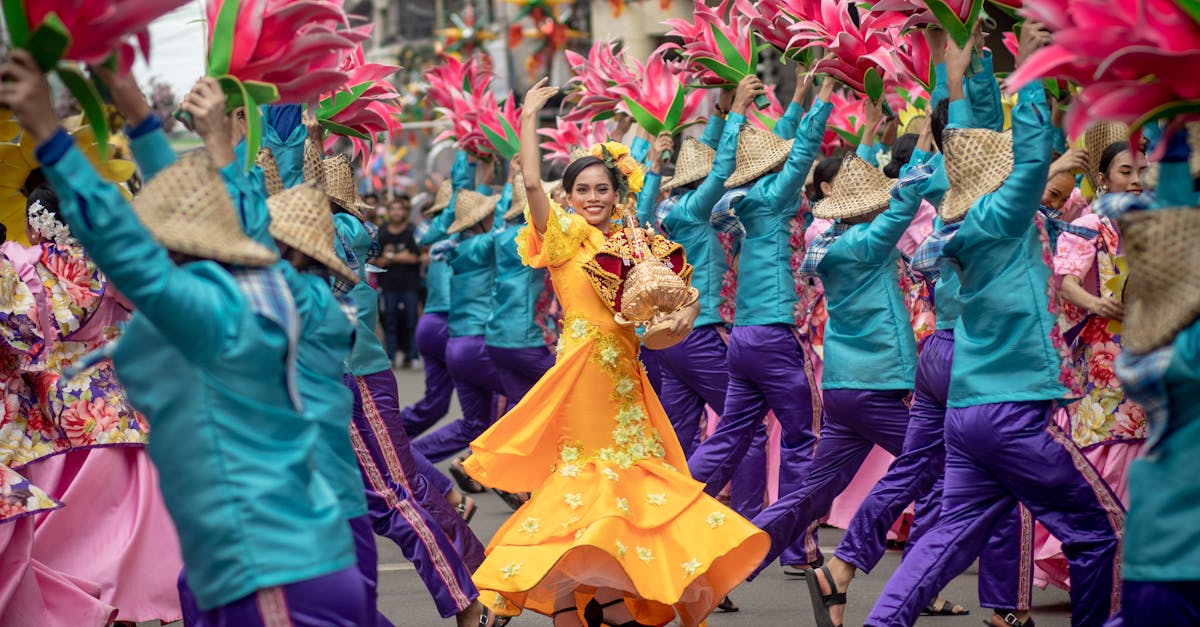
While the iconic Christmas markets in Madrid and Barcelona dazzle visitors with their twinkling lights and mulled wine, Spain's true festive spirit shines brightest through its deeply rooted regional traditions that defy a one-size-fits-all celebration. In Catalonia, the custom of the Caga Tió takes center stage during the days leading up to Christmas, where families gather around a log that children "feed" before beating it with sticks on Christmas Eve to make it "poop" out sweets and nuts, blending folklore with family fun. Meanwhile, the northern city of Bilbao transforms into a winter wonderland with its unique "Otxondo" tradition, where locals don costumes to chase away evil spirits, showcasing a vibrant mix of pagan roots and Christian faith that creates an atmosphere far more mystical than any standard market stall could offer.
The auditory landscape of Spanish holidays is equally captivating, particularly in the south where the ancient ritual of the "Cantada de Villancicos" fills the streets of Seville and Granada with soulful, improvised carols that have been passed down for centuries. Unlike the polished performances found elsewhere, these gatherings are raw and communal, often featuring the distinctive sounds of castanets and flamenco rhythms that turn every neighborhood square into a living stage. As New Year's approaches, the traditions shift again with the famous "Las doce uvas de la suerte" in Valencia and beyond, where millions eat twelve grapes at midnight while watching the clock tower of the Puerta del Sol in Madrid, a synchronized national moment of hope and unity that encapsulates the warmth and passion inherent in Spain's holiday season.
This
photo was taken by
THADEO MOSQUEDA on Pexels.
A Culinary Journey Through Spain's Holiday Season
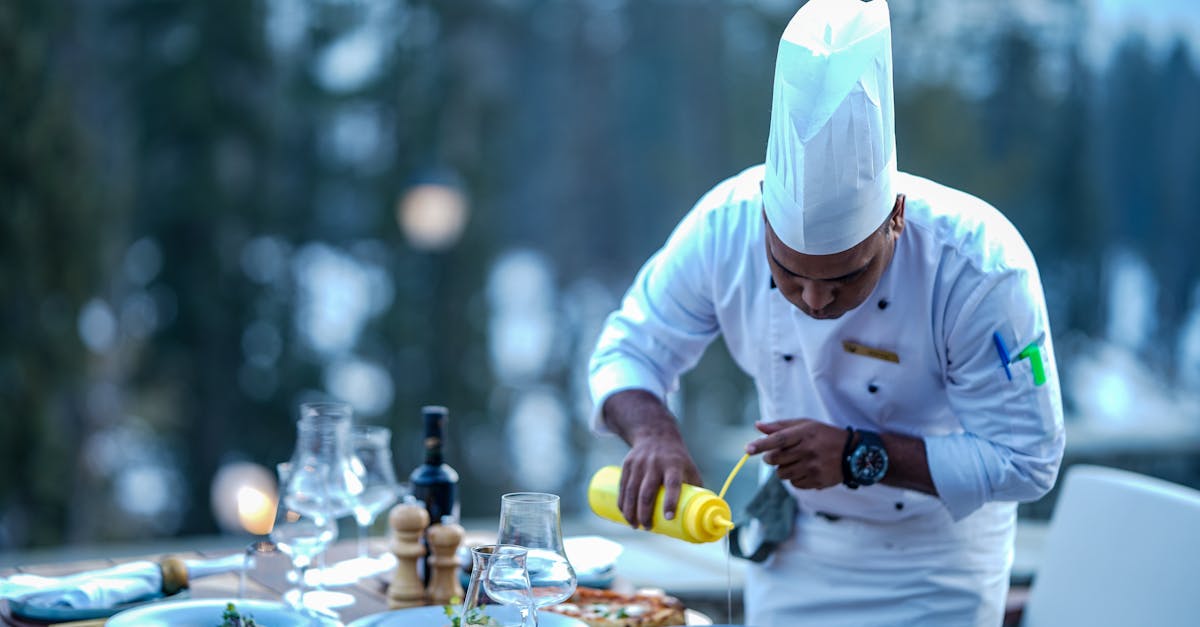
As the winter chill settles over Spain, the holiday season transforms into a vibrant gastronomic adventure that begins with the traditional polvorones and mantecados, delicate almond-based sweets sold in abundance at every Christmas market stall from Barcelona to Seville. These markets are not merely places to browse for crafts; they are open-air dining rooms where the air is thick with the aroma of roasting chestnuts and hot churros con chocolate. As you wander through cobblestone squares adorned with twinkling lights, you will inevitably be drawn to the savory offerings like croquetas and grilled sausages, best enjoyed while sipping a warming glass of vino caliente or a crisp cava, creating a sensory experience that perfectly encapsulates the warmth of Spanish hospitality during the festive period.
The culinary journey reaches its crescendo on December 24th and 31st, when families gather around tables laden with the legendary Nochebuena and Nochevieja feasts. Here, regional diversity shines brightest: in Valencia, diners might enjoy paella alongside turrón, while in Galicia, the table groans under the weight of fresh seafood and roasted lamb. No celebration would be complete without the midnight toast of twelve grapes as the clock strikes, a sweet ritual believed to bring good luck for each month of the coming year. Whether you are sampling tapas in a bustling bar or sharing a lavish meal with locals, these flavors offer an unforgettable taste of Spain's soul, making your holiday visit truly magical.
This
photo was taken by
Syed Qaarif Andrabi on Pexels.