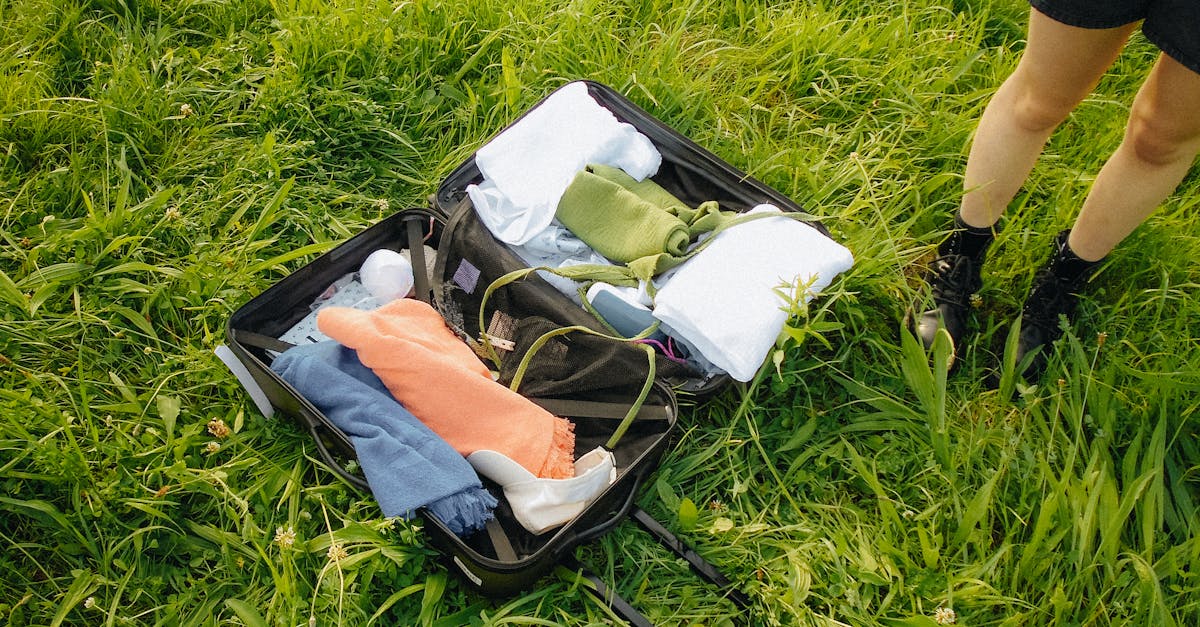
 This photo was taken by Alena Sharkova on Pexels.
Welcome, fellow wanderers, to the heart of Spain's most legendary path. The Camino de Santiago is far more than a simple trek across northern landscapes; it is a transformative odyssey that invites you to reconnect with your inner self while embracing the rugged beauty of the Iberian Peninsula. Whether you seek profound spiritual renewal, a challenging physical test, or simply a unique cultural immersion, this ancient pilgrimage offers something for every traveler. In this post, we will unpack the deeper meaning behind the journey, guide you through selecting the perfect route to suit your pace and interests, and share essential tips to ensure your modern pilgrimage is as safe and memorable as possible. Get ready to lace up your boots and step onto the yellow arrows that have guided countless souls home for centuries.
Unpacking the Spiritual Journey: More Than Just Walking
While the physical act of trekking thousands of steps across diverse Spanish landscapes is undeniably demanding, the true essence of the Camino de Santiago lies in the profound internal transformation that occurs along the way. It is a journey where the rhythm of walking becomes a form of moving meditation, allowing travelers to shed their daily anxieties and reconnect with their inner selves amidst the rolling hills of Galicia or the historic streets of León. This spiritual path offers a unique sanctuary for reflection, where conversations with fellow pilgrims from around the globe often spark deep introspection, turning a simple hike into a powerful catalyst for personal growth and healing.
Beyond the physical exertion, the Camino serves as a living testament to humanity's enduring quest for meaning, welcoming seekers of all backgrounds regardless of their faith or destination. Whether one is walking to honor a religious tradition, to celebrate life after a loss, or simply to find clarity in a chaotic world, the experience transcends mere tourism by fostering a sense of universal brotherhood on the road. As you approach the final stretch towards the Cathedral of Santiago de Compostela, carrying your credential stamped with every milestone, you realize that the pilgrimage has reshaped not just your body, but your perspective on life itself, leaving an indelible mark on your soul long after the journey ends.
This
photo was taken by
Carlos Mazorra on Pexels.
Navigating the Trails: Choosing Your Perfect Route
Choosing the perfect Camino route is akin to selecting a personal chapter in Spain's vast historical tapestry, as each path offers a distinct rhythm and landscape tailored to different traveler needs. For those seeking a challenging ascent through rugged mountains and dense forests, the original French Way (Camino Francés) remains the most iconic option, yet it can be crowded; conversely, the coastal allure of the Portuguese Way or the dramatic cliffs of the Northern Route provide a more serene experience for walkers who prefer sea breezes over mountain peaks. Whether you are an experienced hiker looking for a multi-week commitment or a leisurely walker aiming for a shorter, manageable trek like the final 100 kilometers from Sarria, understanding your physical capabilities and desired scenery is the first step toward a transformative journey.
Once you have identified your preferred style of travel, practical considerations such as seasonality and cultural density will guide your final decision. The spring and autumn months offer mild weather across all routes, making them ideal for avoiding the intense summer heat that can make the arid plains of the Meseta particularly grueling, while winter brings its own mystical charm with fewer pilgrims and snow-capped peaks on the northern trails. Beyond the physical terrain, consider the infrastructure available along your chosen path; popular routes boast abundant albergues, cafes, and waymarking, ensuring support even for solo travelers, whereas lesser-known paths like the Via de la Plata reward the adventurous with authentic rural interactions and untouched landscapes. By aligning your spiritual goals with these logistical realities, you ensure that every step taken on the road to Santiago de Compostela feels purposeful and perfectly suited to your unique pilgrimage.
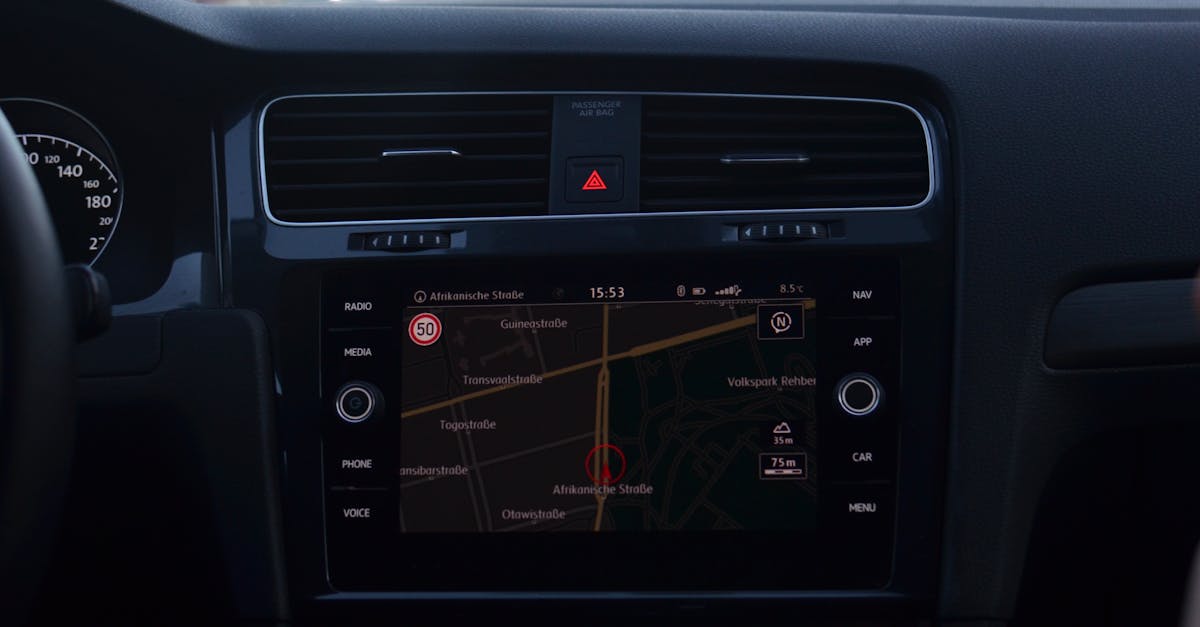
This
photo was taken by
Skylar Kang on Pexels.
Essential Tips for the Modern Pilgrim
Preparing for the Camino de Santiago requires more than just a sturdy pair of boots; it demands a mindset that embraces the rhythm of the road. As a modern pilgrim, you must prioritize your physical well-being by breaking in footwear months in advance and packing light, adhering to the golden rule of carrying no more than 10% of your body weight. While the digital age offers convenient apps for navigation and booking accommodations, remember to unplug periodically to truly absorb the profound silence of the Galician countryside or the bustling camaraderie of the Albergues. The path is as much about shedding mental burdens as it is about walking miles, so leave behind the urgency of daily life and let the slow pace of the journey guide your spiritual renewal.
Navigating the infrastructure of today's Camino involves understanding the unique culture of the Pilgrim Passport, known as the Credencial, which is essential not only for accessing hostels but also for collecting stamps to prove your journey upon arrival in Santiago. It is wise to research the varying levels of services along different routes, as some stretches offer abundant amenities while others require careful planning regarding water sources and food availability. Respect the local customs and the shared experience of fellow travelers from every corner of the globe; whether you are hiking solo or with a group, kindness and patience are your most valuable companions. By blending practical preparation with an open heart, you ensure that your pilgrimage becomes a transformative adventure rather than just a long-distance hike.
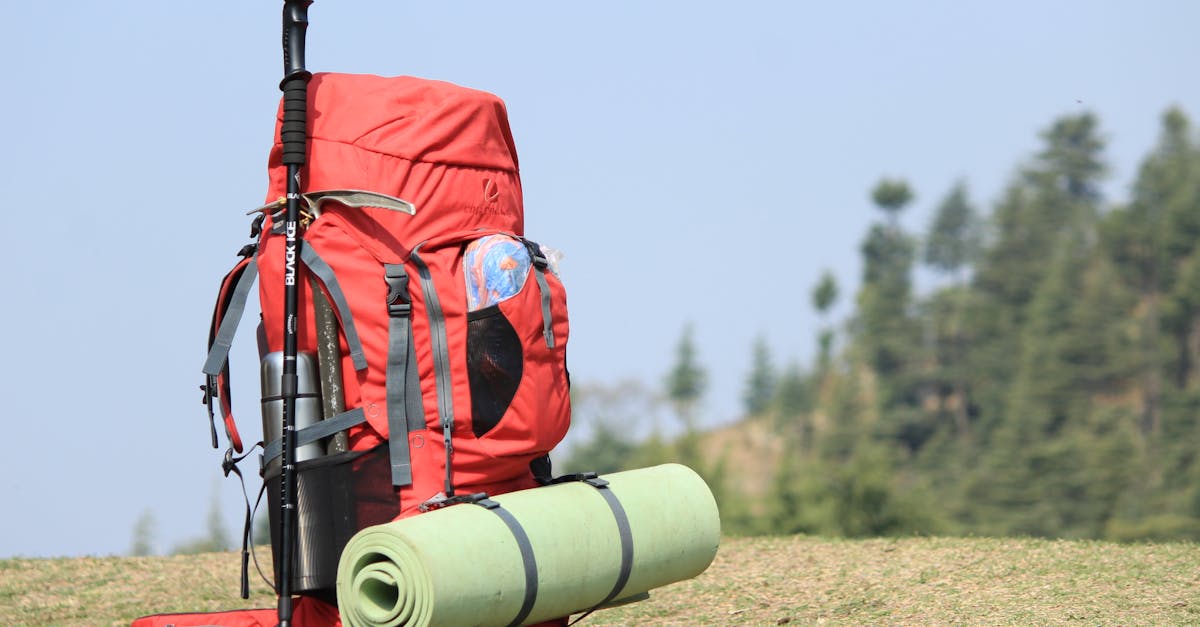
This
photo was taken by
Ravindra rawat on Pexels.