The Camino de Santiago: A Spiritual and Physical Pilgrimage
 This photo was taken by Alena Sharkova on Pexels.
Welcome to the heart of Spain, where ancient stone paths wind through rolling hills, verdant forests, and sun-drenched coastlines, inviting travelers on a journey that transcends mere walking. The Camino de Santiago is far more than a physical challenge; it is a profound spiritual odyssey that has drawn pilgrims from every corner of the globe for over a millennium. Whether you are seeking the camaraderie of fellow travelers on the bustling French Way, the serene beauty of the coastal routes, or simply a moment to reconnect with yourself amidst the rhythm of your steps, this path offers something deeply transformative. In this guide, we will explore how to choose the route that speaks to your soul, what essentials you need to pack for the road ahead, and how to embrace the quiet moments of reflection that await at every stage of your pilgrimage.
Choosing Your Route: From the French Way to the Coastal Paths
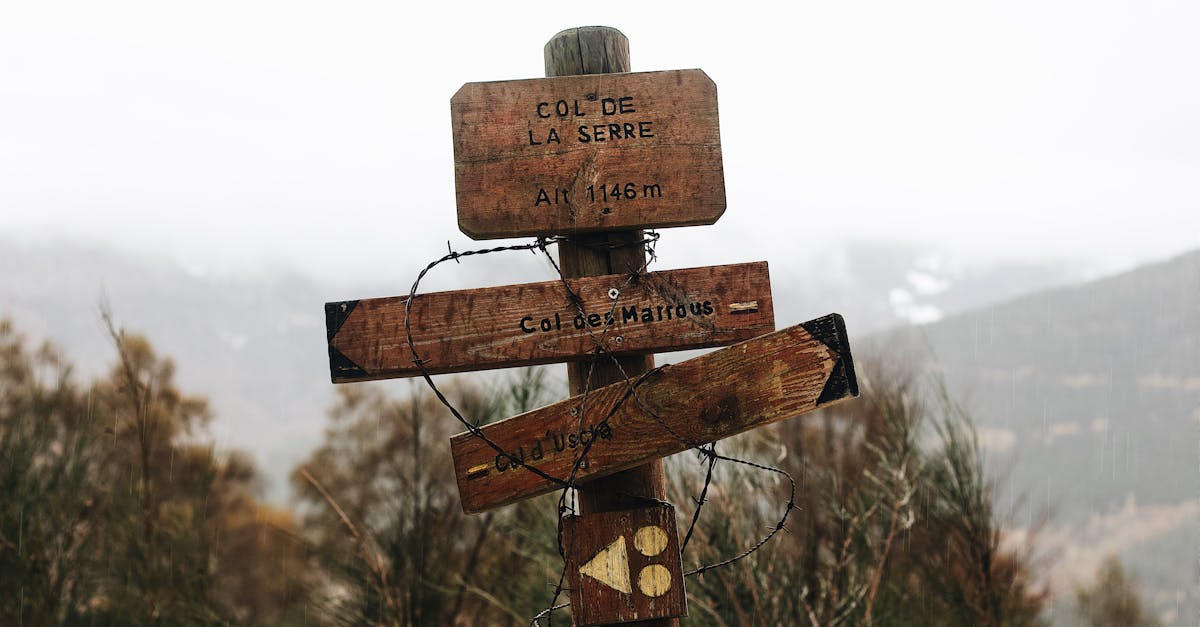
When embarking on the Camino de Santiago, the choice of route is as personal as the pilgrimage itself, with the iconic Camino Francés standing as the most popular and historically significant path. Traversing from the French border through the dramatic landscapes of the Pyrenees, the rolling hills of La Rioja, and the historic cities of Burgos and León, this route offers a rich tapestry of cultural heritage and well-established infrastructure perfect for first-time pilgrims seeking a traditional experience. While it can be crowded during peak seasons, the camaraderie found in its bustling albergues and the profound spiritual atmosphere created by centuries of travelers make it an unforgettable journey for those who wish to walk in the footsteps of history.
For travelers seeking a more serene or scenic alternative, Spain's coastal paths offer a refreshing contrast to the inland trails. The Camino del Norte, hugging the rugged coastline of the Basque Country and Cantabria, provides breathtaking views of the Cantabrian Sea and lush green valleys, appealing to those who prefer solitude and dramatic seascapes over the busy thoroughfares of the interior. Alternatively, the Camino Portugués offers a gentler, culturally immersive approach starting from Lisbon or Porto, while the Vía de la Costa allows walkers to soak up the Mediterranean sun along the eastern shores. Each of these routes presents a unique blend of physical challenge and natural beauty, ensuring that every pilgrim finds a path that resonates with their soul.
 This photo was taken by Maël BALLAND on Pexels.
What to Pack and How to Prepare for the Journey
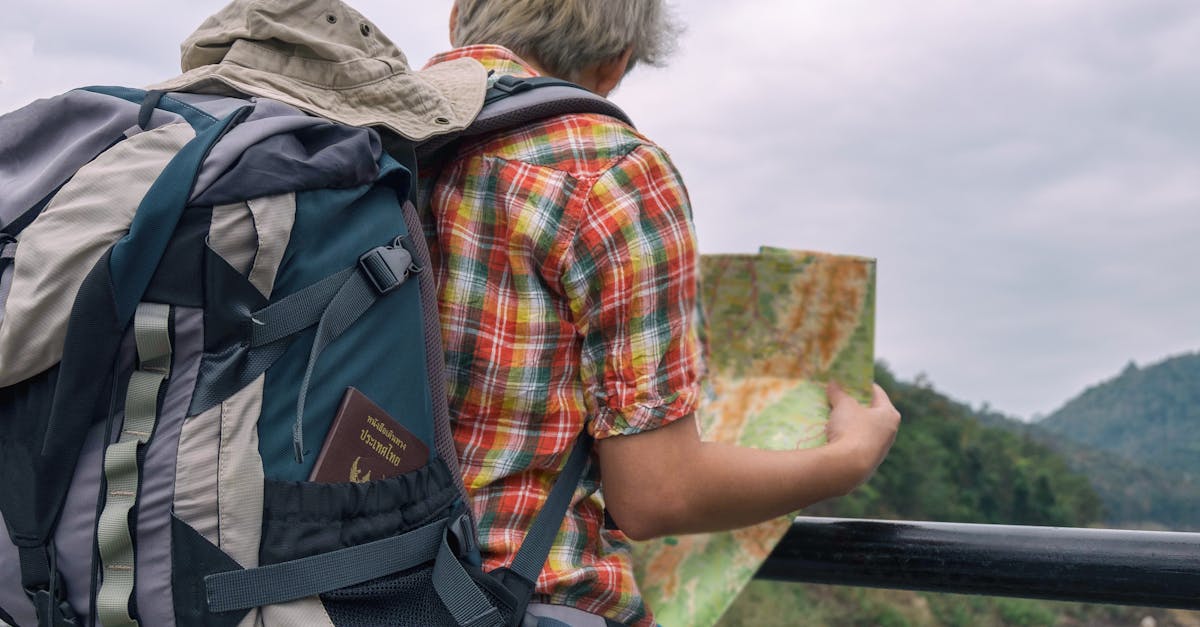
Preparing for the Camino de Santiago begins long before you lace up your boots, so pack light but smart to ensure a comfortable journey along the ancient paths. Your essentials should include a pair of well-broken-in hiking boots or sturdy trail shoes, moisture-wicking socks to prevent blisters, and lightweight, breathable clothing that can be layered against Spain's variable weather. Don't forget a compact rain jacket, a sun hat, and a high-quality backpack with a waterproof cover; while many pilgrims carry heavy loads, remember that every gram counts when walking 20 to 30 kilometers daily. It is also wise to bring a basic first-aid kit with blister plasters, sunscreen, and any personal medications, as medical facilities are not always immediately available on remote stretches of the route.
Beyond physical gear, mental preparation and logistical planning are crucial for a transformative experience. Research your chosen route carefully, whether it is the popular Camino Francés or the coastal Camino del Norte, and familiarize yourself with the distance between towns to plan your daily stages realistically. Secure your accommodation in advance during peak seasons (spring through autumn) by booking albergues or guesthouses online, though keep in mind that some public shelters operate on a first-come, first-served basis. Finally, consider obtaining your official Pilgrim Credential early from a local tourism office or an association, which grants you access to affordable lodging and serves as proof of your pilgrimage for the Compostela certificate upon reaching Santiago de Compostela.
 This photo was taken by veerasak Piyawatanakul on Pexels.
Finding the Spirit: Reflections Along the Stages
As you traverse the ancient stone paths of the Camino de Santiago, the rhythm of your footsteps begins to sync with a deeper, more resonant pulse within yourself. The journey is not merely a physical test of endurance across the rolling hills of Galicia or the rugged landscapes of the Pyrenees; it is a deliberate shedding of modern distractions that allows the spirit to breathe freely. Along the stages, where the only company is often the sound of wind in the pines and the distant toll of church bells, travelers find themselves stripped bare of their daily anxieties, replaced by a profound sense of clarity and presence. It is in these quiet moments of solitude, under the vast Spanish sky, that one truly begins to hear the whispers of their own soul, transforming a simple walk into a sacred dialogue.
The true magic of this pilgrimage lies in the unexpected connections forged along the way, as strangers from every corner of the globe become companions bound by a shared quest for meaning. Whether resting in the humble albergues at dusk or sharing a meal of local tortilla de patatas, the barriers of language and culture dissolve, leaving behind a universal bond of humanity. This communal reflection creates a unique spiritual atmosphere where the destination becomes secondary to the journey itself, offering each pilgrim the chance to redefine their path forward. By the time you reach the final steps towards the Cathedral of Santiago, you carry not just a compostela stamp, but a renewed spirit, forever changed by the silence and the song of the road.
 This photo was taken by Noelle Otto on Pexels.