 This photo was taken by Jon on Pexels.
Welcome to the heart of Spain, a land where golden sunsets meet vibrant culture and every season offers its own unique magic. Whether you are dreaming of wandering through historic cities without the summer crush or seeking the perfect beach day with mild temperatures, choosing the right moment to visit can transform your experience from good to unforgettable. In this guide, we'll navigate the Spanish calendar to help you find that ideal balance between pleasant weather and manageable crowds. From the blooming festivals of spring and the coastal escapes of summer to the serene cultural gems of autumn and winter, get ready to discover when Spain truly comes alive for you.
Spring: The Sweet Spot for Mild Weather and Festivals
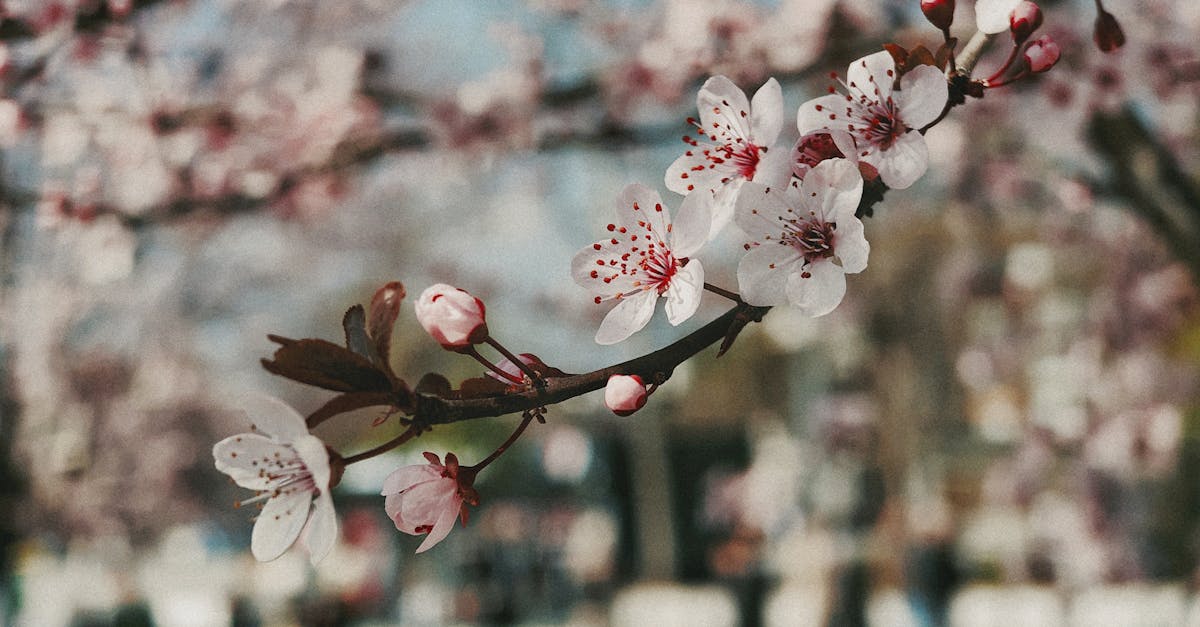
Spring, spanning from March to May, is widely considered the sweet spot for visiting Spain, offering a perfect balance between pleasant temperatures and manageable tourist numbers. During these months, the country awakens from winter with vibrant blooms of orange blossoms in Seville and wildflowers across the Andalusian countryside, while daytime highs typically hover between a comfortable 18°C and 24°C (64°F-75°F). Unlike the scorching heat of July and August or the chilly winds of deep winter, this season allows travelers to explore historic cities like Madrid and Barcelona on foot without exhaustion, making it ideal for sightseeing before the summer crowds descend.
Beyond the agreeable climate, spring hosts some of Spain's most iconic cultural celebrations that define its unique character. The world-famous Feria de Abril in Seville erupts shortly after Easter, transforming streets into a sea of colorful dresses and flamenco music, while San Fermín preparations begin in Pamplona as the city gears up for its legendary running of the bulls. Even smaller towns come alive during Semana Santa (Holy Week) with solemn yet spectacular processions, ensuring that visitors experience an authentic slice of Spanish life amidst the blooming landscape rather than just enduring the peak tourist rush.
This
photo was taken by
Abdullah Öğük on Pexels.
Summer Escapes: Beating the Heat in Coastal Havens
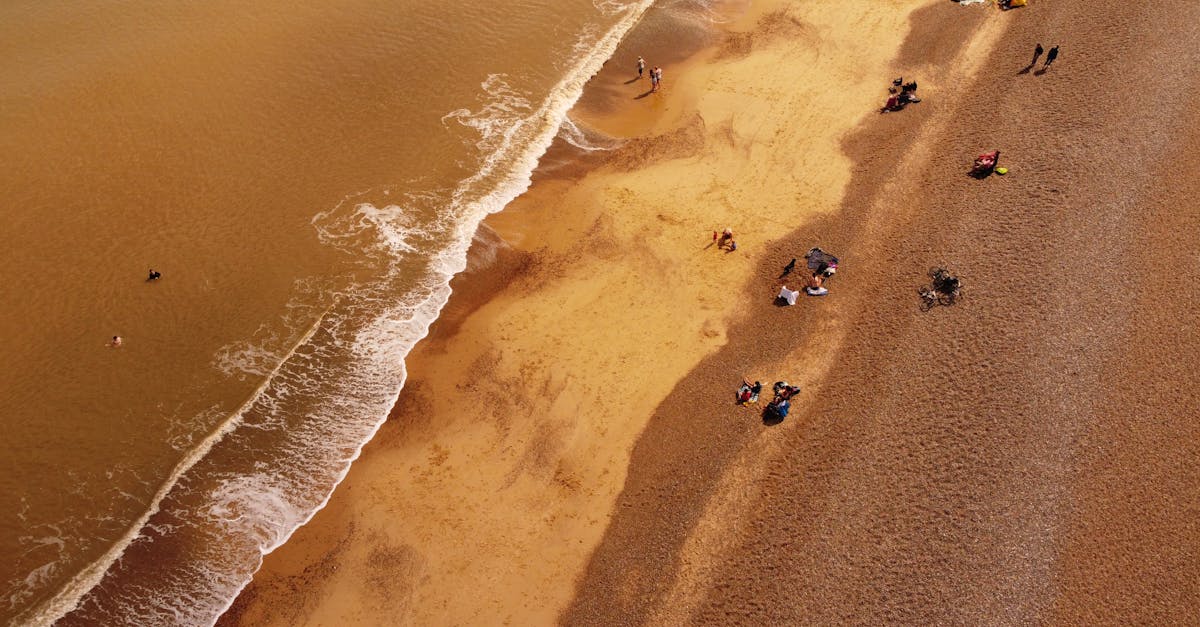
While the interior of Spain can become an oven during July and August, the country's extensive coastline offers a refreshing alternative for travelers seeking to escape the scorching temperatures. Head north to the lush, green landscapes of Galicia or the Basque Country, where the Atlantic breeze keeps summer days pleasantly mild and perfect for exploring charming fishing villages without the oppressive humidity found in the south. Alternatively, the Balearic Islands like Menorca provide a more tranquil coastal retreat compared to their bustling neighbors, featuring crystal-clear waters ideal for swimming and snorkeling while avoiding the peak tourist throngs that dominate the Mediterranean shores.
To truly beat the heat and enjoy a balanced experience, consider visiting these coastal havens in late June or early September when the weather remains warm enough for sunbathing but the crowds begin to thin out. During these shoulder seasons, you will find that beachside tapas bars are less crowded, allowing for a more authentic dining experience, and accommodation rates drop significantly, making luxury seaside stays more accessible. Whether you are lounging on the golden sands of Costa Brava or hiking along the rugged cliffs of the Costa Verde, these periods offer the sweet spot between ideal weather conditions and a relaxed atmosphere, ensuring your Spanish summer is memorable for its beauty rather than its intensity.
This
photo was taken by
Field Photography on Pexels.
Autumn & Winter: Unrushed Cities and Cultural Gems
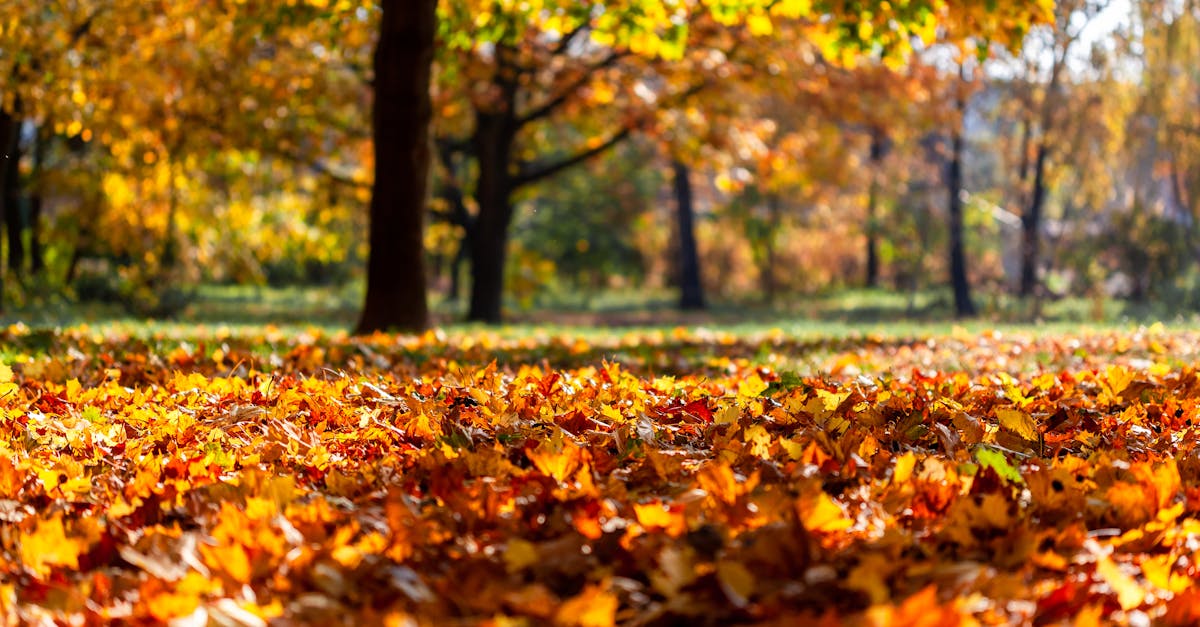
As the summer crowds disperse and the scorching heat of July and August gives way to crisp, golden air, autumn transforms Spain's major metropolises into a sanctuary for leisurely exploration. Cities like Madrid and Barcelona shed their frantic pace, allowing visitors to wander through parks such as Retiro or enjoy long, unhurried lunches in historic plazas without the oppressive queues of peak season. The weather remains pleasantly mild, perfect for strolling along the Prado Museum or exploring the Gothic Quarter, while the vibrant foliage adds a picturesque backdrop to the architecture. This is the ideal time to savor local culture at its most authentic, with outdoor festivals celebrating harvests and wine, offering a deeper connection to Spanish traditions away from the tourist throngs.
Winter brings a different kind of magic, particularly in southern regions where the sun still shines brightly enough for sightseeing, yet the cities remain remarkably quiet compared to the rest of Europe. While northern areas embrace cozy atmospheres with festive Christmas markets and traditional nativity scenes, places like Seville and Granada offer comfortable temperatures ideal for visiting world-class monuments like the Alhambra or the Real Alcázar without the stifling heat. Travelers can fully immerse themselves in cultural gems, from flamenco performances in intimate tablaos to museum visits, all while enjoying the warmth of Spanish hospitality during the holiday season, making it a truly serene and enriching experience for those seeking depth over density.
This
photo was taken by
Julia Filirovska on Pexels.