The Art of the Plaza Mayor: Understanding Spanish Public Spaces
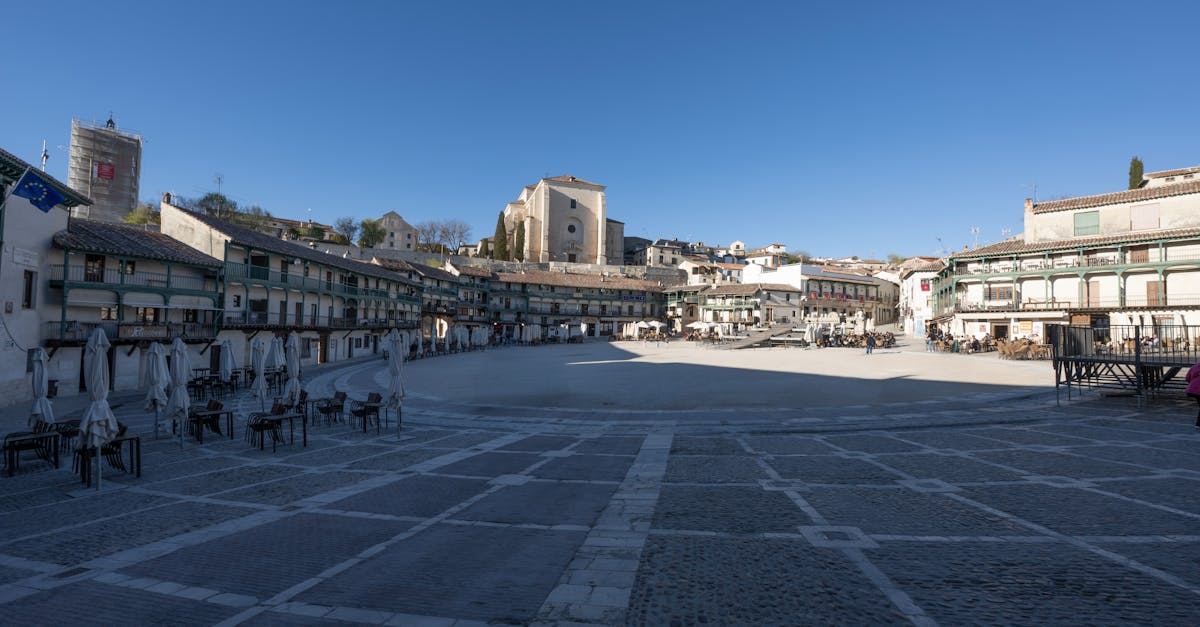 This photo was taken by Miguel Cuenca on Pexels.
Welcome to the beating heart of Spain, where history whispers from stone arches and life unfolds in vibrant colors. As a local guide, I have walked through countless plazas, but none hold quite as much magic as the Plaza Mayor. More than just an open space, these squares are the stage upon which centuries of Spanish culture have been performed, evolving from bustling medieval markets to grand settings for royal ceremonies. In this post, we will explore the architectural symmetry that defines their timeless beauty and discover how they remain the soulful gathering places for modern festivals, tapas sharing, and community connection. Join me as we uncover the art of the plaza mayor and learn why you cannot truly understand Spain without experiencing its public spaces.
Historical Origins: From Medieval Markets to Royal Ceremonies
 This photo was taken by Sebastian Sørensen on Pexels.
Architectural Symmetry: The Design Philosophy Behind the Square
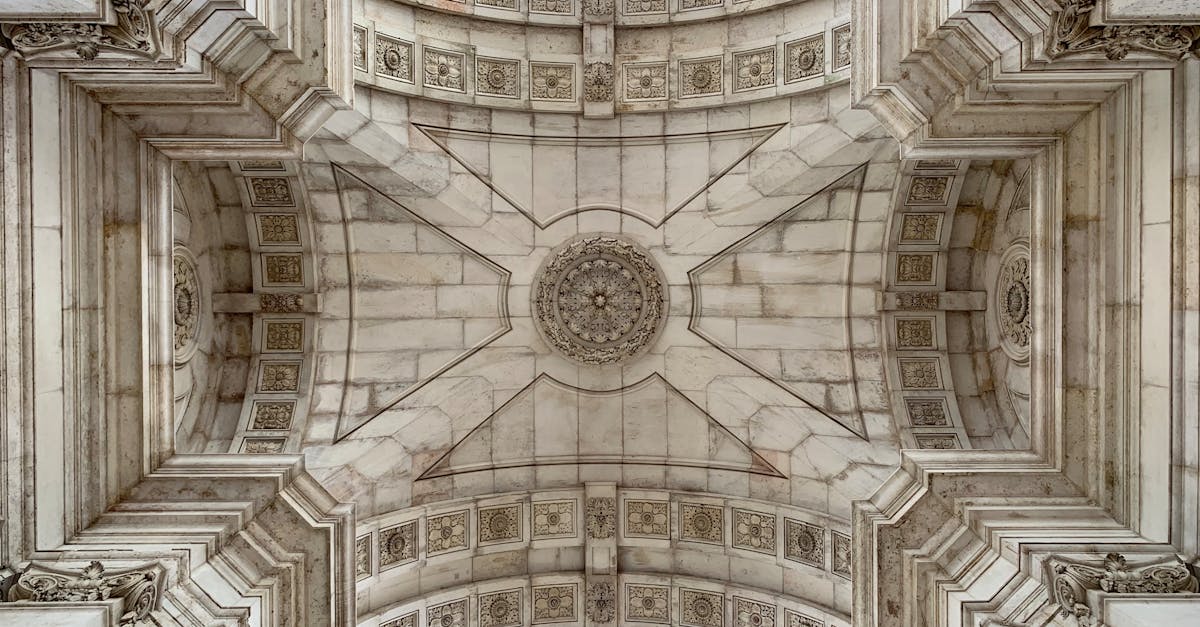
The Plaza Mayor stands as a masterclass in architectural symmetry, reflecting the Spanish Habsburg ideal of order and harmony that defined the Golden Age. Every brick and balcony is meticulously aligned to create a unified visual rhythm, where the uniformity of the facades serves not merely as decoration but as a symbol of civic unity and royal authority. This deliberate balance guides the visitor's eye toward the central axis, emphasizing the stage-like quality of the square that was originally designed for public spectacles, from bullfights to royal proclamations, ensuring that every attendee shared an equal perspective of the unfolding drama.
Beyond its aesthetic appeal, this design philosophy underscores the profound cultural significance of Spanish public spaces as arenas for social cohesion. The symmetrical layout fosters a sense of inclusivity, inviting citizens from all walks of life to gather within a geometrically perfect enclosure that transcends individual differences. By harmonizing residential living with communal gathering, the architects created a timeless environment where the strict lines of the architecture soften into a welcoming embrace, proving that true beauty in Spanish plazas lies in their ability to bring people together through the power of balanced design.
 This photo was taken by Hervé Piglowski on Pexels.
Modern Life in the Plaza: Festivals, Tapas, and Community Gathering
While the Plaza Mayor's grand architecture speaks to a storied past, its true heartbeat is found in the vibrant rhythm of modern Spanish life that pulses through its cobblestones daily. Here, tradition and contemporary culture merge seamlessly during world-renowned festivals like San Isidro or Christmas markets, where centuries-old customs transform into lively celebrations of community spirit. Whether it is the clinking of glasses during a summer night or the rhythmic sounds of street performers echoing off historic facades, these spaces serve as the ultimate stage for social connection, proving that the plaza remains the most vital living room in Spain.
At the heart of this communal energy lies the timeless ritual of tapas hopping, a culinary tradition that turns the plaza into an open-air dining hall where neighbors and travelers alike gather to share small plates and conversation. It is here that the concept of "sobremesa" truly comes alive; after enjoying local delicacies like jamón ibérico or fresh seafood at bustling terraces, groups linger for hours, debating politics, laughing over stories, and simply enjoying the company without the rush of time. This shared experience of food and fellowship reinforces the plaza's role not just as a tourist attraction, but as the enduring soul of Spanish society where every meal becomes a celebration of belonging.
 This photo was taken by Caique Araujo on Pexels.