The Art of Siesta: Understanding Spanish Lifestyle and Culture
 This photo was taken by Quang Nguyen Vinh on Pexels.
Welcome to the heart of Spain, where time seems to move at a uniquely relaxed pace. As your guide through this vibrant country, I invite you to look beyond the bustling tapas bars and historic plazas to understand one of its most cherished traditions: the siesta. Far from being merely a midday nap, this practice is deeply woven into the fabric of Spanish identity, reflecting a profound respect for work-life balance and the rhythm of nature. In this post, we will journey together to uncover the historical roots of this midday break, explore how it continues to shape daily life in modern Spain, and offer you practical tips on how to embrace this unique cultural tempo during your travels. Get ready to slow down, savor the moment, and discover the true art of living like a local.
The Historical Roots of the Midday Break
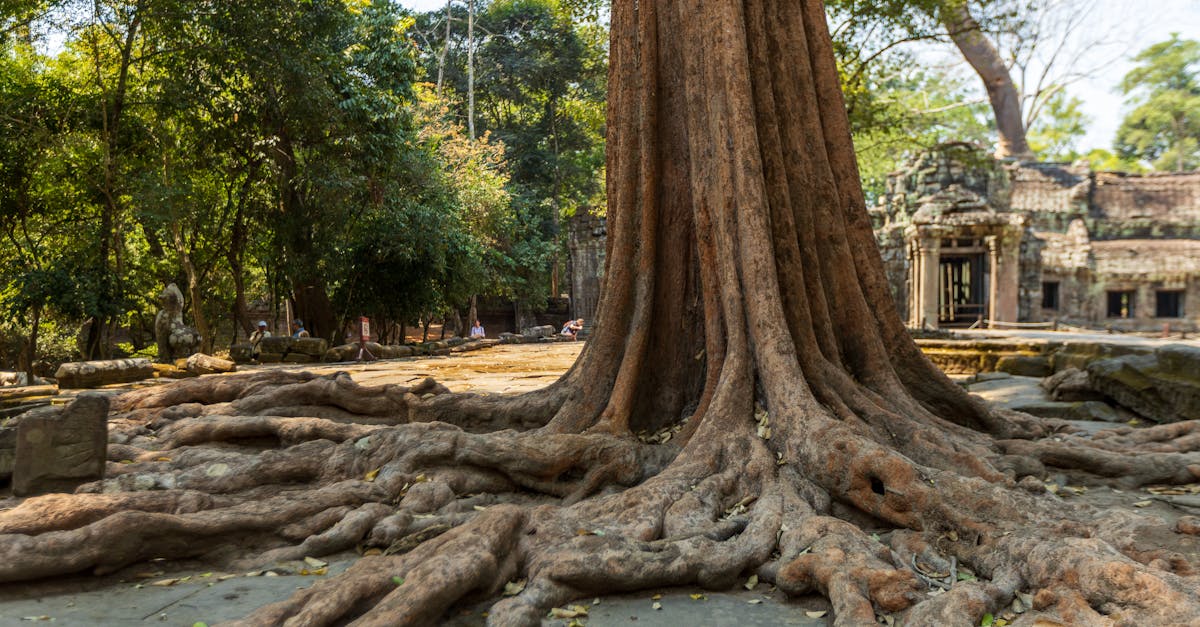 This photo was taken by Serg Alesenko on Pexels.
How Siesta Shapes Daily Life in Modern Spain
In modern Spain, the siesta has evolved from a mandatory midday break into a cherished cultural rhythm that dictates the flow of daily life, particularly in smaller towns and southern regions. While the traditional practice of closing shops and offices between 2:00 PM and 5:00 PM is less rigid in bustling metropolises like Madrid or Barcelona, the spirit of the pause remains deeply embedded in social interactions. This period allows families to gather for a leisurely lunch, reconnect with relatives, and step away from the relentless pace of work, fostering a lifestyle where quality of life often takes precedence over constant productivity.
Even as globalization influences urban schedules, the siesta continues to shape the Spanish day by creating a distinct split in the afternoon, pushing dinner times later into the evening and encouraging a vibrant nightlife that wouldn't exist without this midday respite. For tourists, understanding this cadence is essential; it explains why many businesses operate on staggered hours and why the streets come alive again only after sunset. Embracing this tempo offers visitors a unique glimpse into the Spanish art of living slowly, proving that taking time to rest is not laziness, but a vital component of maintaining health, community bonds, and overall well-being.
 This photo was taken by Deon Black on Pexels.
Embracing the Rhythm: Tips for Travelers
To truly embrace the Spanish rhythm, travelers should align their daily schedule with the local tempo, particularly regarding meal times and rest. The iconic siesta is not merely a nap but a cultural pause that allows families to gather for a leisurely lunch when the sun is at its peak, often followed by a quiet stroll or a brief respite before the late afternoon work session resumes. Instead of rushing through attractions between 2:00 PM and 5:00 PM, consider visiting museums, enjoying a coffee in a shaded plaza, or exploring quieter neighborhoods during these hours, as many smaller shops may close while the city takes a gentle breath.
Furthermore, patience is your greatest ally when navigating the Spanish lifestyle, where relationships and conversations are valued over strict adherence to the clock. You will find that dinner typically begins after 9:00 PM, and the evening extends well into the night with streets alive with laughter and clinking glasses; arriving early to restaurants might mean finding empty halls, so plan your evenings accordingly. By shedding the urgency of typical tourist itineraries and adopting a more relaxed approach, you open yourself up to the authentic warmth of Spain, transforming a standard trip into an immersive experience where time seems to flow differently, allowing you to savor every moment just as the locals do.
 This photo was taken by Chandi Saha on Pexels.