 This photo was taken by Jean-Paul Wettstein on Pexels.
Welcome to the heart of Spain, where time seems to move at a different, more deliberate pace. As you wander through sun-drenched plazas and historic streets, you may notice a unique rhythm that defines daily life here: the legendary siesta. Far from being merely a midday nap, this cultural tradition is a vital pulse that has shaped Spanish society for centuries. In this post, we will uncover the historical roots of this beloved break, explore how it influences everything from business hours to dining schedules, and offer you practical tips on how to embrace this slow-paced lifestyle during your visit. Get ready to discover not just a schedule, but a way of living that prioritizes balance, community, and the simple joy of slowing down.
The Historical Roots of the Midday Break
The historical roots of the midday break, or siesta, are deeply intertwined with Spain's unique climate and agricultural past. During the scorching summer months, particularly in the southern regions like Andalusia, temperatures historically soared to levels that made outdoor labor not only inefficient but potentially dangerous. Farmers and artisans would retreat to the cool shade of their homes during the peak heat of the afternoon, resuming their work only when the sun began its descent. This rhythm was further solidified by the traditional Spanish mealtime structure, where lunch served as a substantial, multi-course repast that required time for digestion before one could return to physical exertion, creating a natural pause in the day that aligned perfectly with the hottest hours.
As Spain transitioned from an agrarian society to a modern nation, the practice evolved rather than disappeared, becoming a cultural cornerstone that defines the country's social tempo. Even today, many businesses, small shops, and government offices still close between 2:00 PM and 5:00 PM, allowing locals to enjoy a leisurely family lunch followed by a brief rest or personal errands. While global economic pressures have shortened this window in major metropolitan hubs like Madrid and Barcelona, the underlying philosophy remains: life is not merely about productivity, but about savoring moments of connection and rejuvenation amidst the relentless pace of the world.
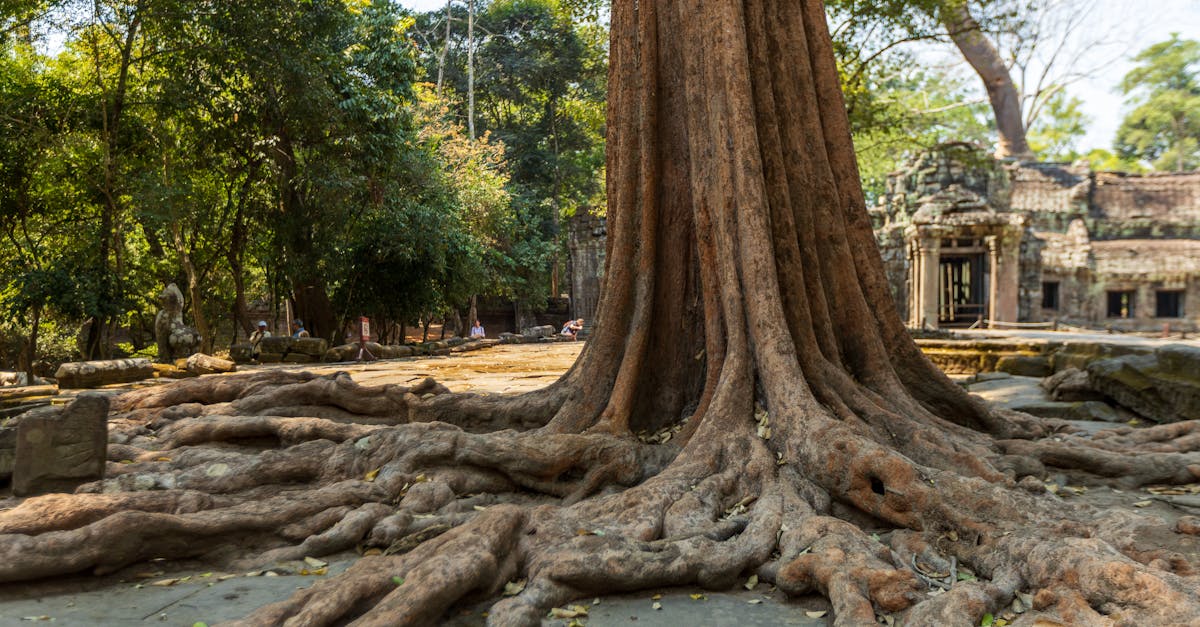
This
photo was taken by
Serg Alesenko on Pexels.
How Siesta Shapes Business and Dining Hours
The traditional siesta is far more than a midday nap; it is the heartbeat that dictates the unique rhythm of Spanish commerce and dining, creating a distinct break in the day that has shaped local business hours for centuries. In many smaller towns and family-owned establishments, you will find shops closing their doors between 2:00 PM and 5:00 PM to allow staff to rest, recharge, and share a substantial meal with their families. This pause transforms the afternoon into a quiet period where streets are often quieter, while businesses in major metropolitan hubs like Madrid or Barcelona have adapted by keeping certain sectors open but still adhering to a slower pace before the evening surge begins.
This rhythmic split naturally pushes the dining culture late into the night, making the Spanish dinner experience an event rather than a mere necessity. With lunch typically served from 2:00 PM to 4:00 PM, restaurants do not see the rush hour crowds until after 8:30 PM, when the city comes alive again with laughter and clinking glasses. As a visitor, embracing this schedule means enjoying a leisurely tapas bar visit around 10:00 PM, knowing that locals are just beginning their social evening. By aligning your itinerary with these natural pauses and peaks, you gain a deeper appreciation for how the siesta fosters a lifestyle that prioritizes well-being and community over the relentless pace found elsewhere.

This
photo was taken by
Kalistro on Pexels.
Embracing the Slow Pace: Tips for Tourists
To truly embrace the slow pace of life in Spain, visitors must first adjust their internal clocks to align with the local rhythm, where the midday siesta is not merely a nap but a cultural cornerstone designed to beat the heat and recharge for the evening. Instead of rushing from one attraction to another during the afternoon lull between 2:00 PM and 5:00 PM, consider this a golden opportunity to find a quiet plaza, enjoy a leisurely coffee, or simply people-watch as the city takes a gentle breath. Many shops and museums close during these hours, so plan your itinerary accordingly by focusing on outdoor exploration early in the morning or saving major museum visits for after 5:00 PM when the energy returns to the streets.
Adopting this relaxed mindset extends beyond just timing; it transforms your entire travel experience into a more immersive journey. Embrace the Spanish art of "sobremesa," the lingering time spent at the table chatting with friends or family long after the meal has ended, rather than immediately leaving upon finishing your food. By slowing down, you will discover that the magic of Spain lies less in ticking off a checklist of landmarks and more in the spontaneous moments shared over tapas late into the night. Remember, the locals value connection and presence over efficiency, so give yourself permission to wander without a strict schedule and let the day unfold naturally.
This
photo was taken by
Erik Mclean on Pexels.