The Art of La Siesta: Understanding Spanish Culture and Lifestyle
 This photo was taken by Quang Nguyen Vinh on Pexels.
Welcome to the heart of Spain, where time seems to move with a gentle, deliberate grace. If you've ever wondered why the streets of Madrid or Seville fall silent in the afternoon while the world rushes by elsewhere, you are about to discover one of our country's most cherished traditions: la siesta. Far from being merely a midday nap, this practice is a profound reflection of Spanish history, climate, and social values that has shaped our daily rhythm for centuries. In this post, we will peel back the layers of this cultural icon, exploring its historical roots versus modern reality, examining how it fosters community connection, and offering practical tips for visitors eager to embrace the authentic Spanish pace of life.
The Historical Roots and Modern Reality of the Siesta
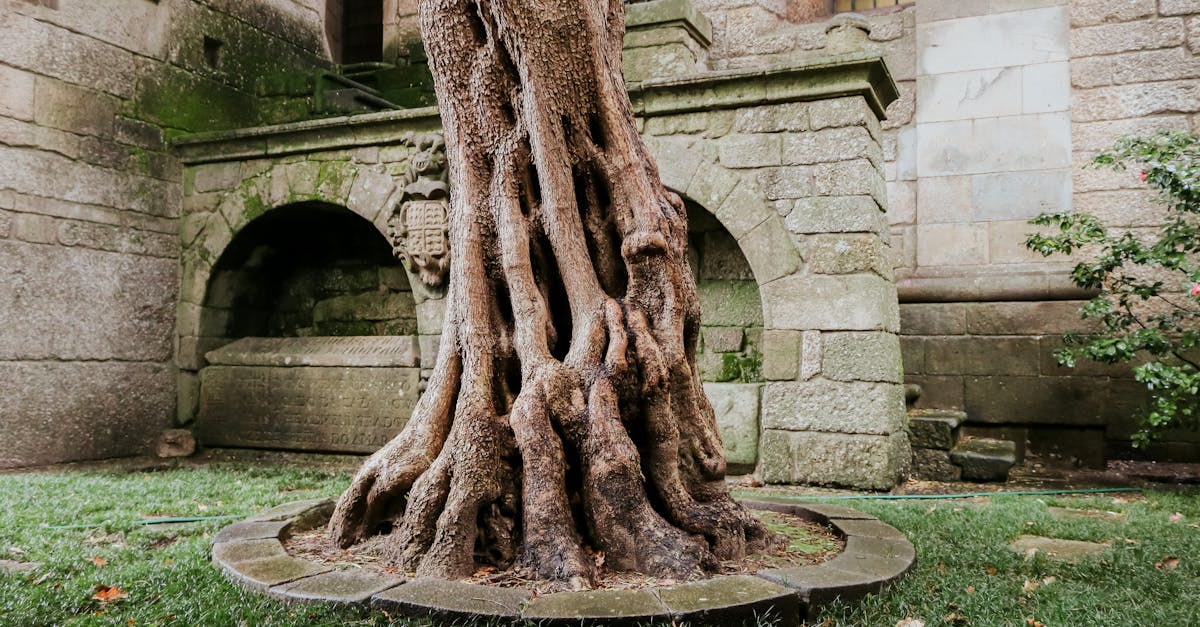
The historical roots of the siesta are deeply intertwined with Spain's Mediterranean climate and agricultural past, where the intense midday heat made outdoor labor impossible during the peak hours. Traditionally, families would retreat to their homes to rest, allowing the body to recover from the morning's work before resuming activities in the cooler evening light. This rhythm was not merely a cultural quirk but a practical necessity for survival, fostering a lifestyle that prioritized restorative sleep and social connection over rigid, continuous productivity. Over centuries, this practice evolved into a defining symbol of Spanish identity, representing a deliberate slowing down of life to savor the moment and strengthen community bonds.
In modern reality, however, the traditional siesta has become less about long naps and more about a fragmented workday that respects the break, though its prevalence varies significantly by region and industry. While many large corporations and international businesses now operate on continuous schedules, smaller towns and family-owned shops often still close between 2:00 PM and 5:00 PM, preserving the spirit of the pause even if the full three-hour nap is rare. Today, the "siesta" is perhaps best understood as a broader philosophy of work-life balance rather than a strict time slot, inviting visitors to embrace the local pace, enjoy a leisurely late lunch, and experience the unique tranquility that defines the Spanish approach to living.
 This photo was taken by Ana M. on Pexels.
How the Siesta Shapes Spain's Daily Rhythm and Social Life
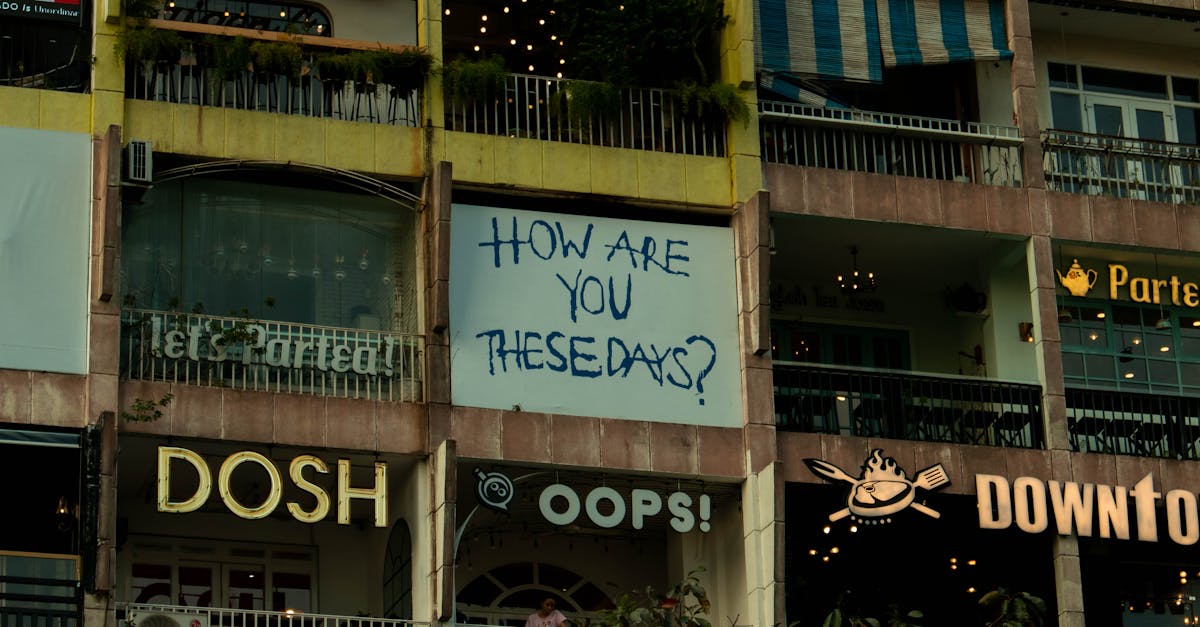
The siesta is far more than a simple midday nap; it is the rhythmic heartbeat that structures the unique daily cadence of Spanish life, born from historical agricultural needs and adapted to modern urban existence. Traditionally, the intense afternoon heat prompted workers to retreat home, allowing businesses to close between 2:00 PM and 5:00 PM while families gathered for their main meal of the day. Although this strict pause has softened in major metropolitan hubs like Madrid or Barcelona, where some shops remain open, the cultural rhythm persists in the form of a late lunch and a distinct lull in activity that prioritizes rest and social connection over continuous productivity.
Beyond the practical aspect of cooling down, this midday break serves as a vital social glue that deepens community bonds and redefines the pace of interaction. The closure of streets and the gathering of friends and family at local plazas or terraces transform the afternoon into a communal sanctuary where conversation flows freely, unburdened by the rush of work. This deliberate slowing of time encourages a lifestyle that values quality of life and human connection, reminding visitors that in Spain, the most important appointments are often the ones made with loved ones during the golden hours of the afternoon sun.
 This photo was taken by Dương Thế Khải on Pexels.
Embracing the Spanish Pace: Tips for Visitors to Adapt
To truly embrace the Spanish pace, visitors must first surrender to the rhythm of "mañana" and understand that time here is fluid rather than rigid. Unlike the fast-paced efficiency found in many other European capitals, life in Spain revolves around long lunches and a midday break known as la siesta, which allows businesses to close while families gather for a leisurely meal. This isn't merely about sleeping; it is a cultural pause that prioritizes rest and social connection over continuous productivity. As you navigate bustling plazas or quiet villages, try to match this energy by taking your time at tapas bars, engaging in extended conversations with locals, and accepting that a 45-minute wait for a table is often part of the charm rather than a service failure.
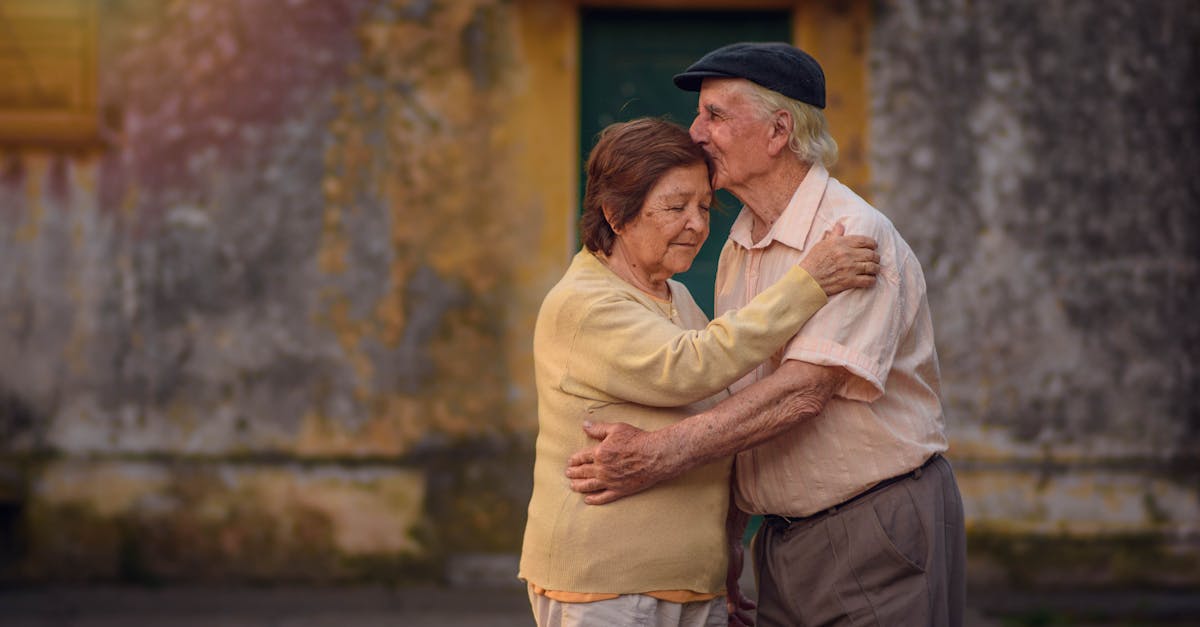
Adapting to this lifestyle also means adjusting your daily schedule to align with later dining hours, typically starting dinner after 9:00 PM when the streets come alive again. Embracing the Spanish way involves savoring the moment, whether it's watching the sunset from a terrace in Seville or strolling through the historic center of Granada without a strict itinerary. By slowing down and observing how locals balance work, family, and play, you will find that the stress of rushing dissipates, replaced by a deeper appreciation for the art of living well. Remember, in Spain, the journey is often more important than the destination, so let go of your watch and immerse yourself fully in the warm, unhurried embrace of the culture.
 This photo was taken by Florencia Brain on Pexels.