Tapas Tour: A Culinary Journey Through Spain's Best Bars
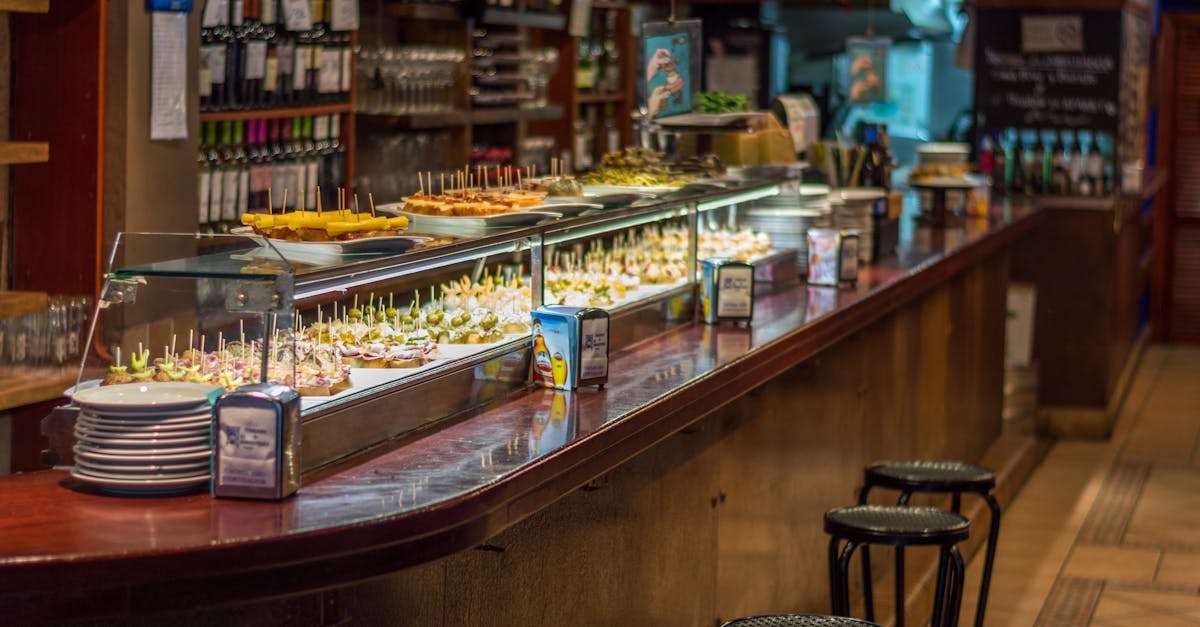 This photo was taken by Hert Niks on Pexels.
Welcome to the heart of Spanish culture, where dinner is not just a meal but a vibrant social ritual that brings friends and family together. As your local guide, I invite you to embark on "Tapas Tour: A Culinary Journey Through Spain's Best Bars," an adventure designed to unlock the true flavors of our beloved nation. From the bustling streets of Barcelona to the sun-drenched plazas of Seville, we will explore how each region crafts its own unique tapas varieties, telling a delicious story of history and terroir. Whether you are eager to master the art of bar hopping etiquette or seek out hidden gems known only to locals beyond the tourist trail, this journey promises to transform the way you experience Spain's incredible gastronomy. Get ready to sip wine, savor small plates, and discover why the simple act of sharing food is the soul of our country.
From Barcelona to Seville: Regional Tapas Varieties
Starting your culinary adventure in Barcelona, you will discover that Catalan tapas are often more generous and inventive than their southern counterparts. Instead of the small plates typical elsewhere, here you might encounter "pintxos" or substantial bites like pa amb tomàquet, where rustic bread is rubbed with ripe tomato and garlic before being drizzled with olive oil. The flavors lean towards fresh seafood from the Mediterranean coast, such as grilled sardines or prawns, and rich meat dishes like butifarra sausage served with white beans, reflecting a cuisine deeply rooted in local produce and innovative techniques.
As your journey winds south to Seville, the tapas culture transforms into a vibrant social ritual known as "tapeo," where the focus shifts to smaller, intensely flavorful bites designed to be enjoyed while standing at the bar. Here, you will taste the essence of Andalusia: crispy flamenquín wrapped in ham, delicate pescaíto frito (fried fish) dusted with flour, and the iconic jamón ibérico paired with marinated olives. Unlike the hearty portions of the north, Sevillian tapas are meant to be savored slowly alongside a glass of fino sherry, highlighting the region's mastery of frying, curing, and the bold use of spices like paprika and cumin.
 This photo was taken by Jean-Paul Wettstein on Pexels.
The Art of the Bar Hopping: Etiquette and Tips
Navigating the vibrant tapestry of Spanish bar culture requires a subtle shift in mindset, transforming a simple drink into a social ritual known as "ir de tapas." Unlike the hurried pace of a quick coffee, this art form is built on conversation and movement; it is customary to enjoy one or two drinks per venue before moving on to the next establishment, often referred to as "la ronda." While tipping is appreciated for exceptional service, it is not obligatory in the same way it is in North America, and standing at the counter while chatting with locals is the preferred way to experience the authentic atmosphere. Remember that asking for a menu of tapas can sometimes result in being directed to the daily specials, so don't be shy about pointing to what your neighbors are enjoying!
To truly master the etiquette of a tapas tour, timing and pacing are your most valuable tools. Bars typically serve their best food during specific windows, usually between 1:00 PM and 3:00 PM for lunch or from 8:00 PM onwards for dinner, so arriving too early might mean limited options. When you order, keep an eye on your glass; if you need more time to finish a drink, simply place your empty plate or bottle on the table rather than raising your hand aggressively, which signals to the staff that you are ready for the next round. Finally, embrace the communal spirit by sharing plates and trying small bites like jamón ibérico, patatas bravas, or gambas al ajillo, ensuring you leave enough appetite to explore the culinary treasures hidden in every corner of Spain.
 This photo was taken by Evgeniy Lejnev on Pexels.
Hidden Gems: Local Favorites Beyond the Tourist Trail
While the bustling plazas of Madrid and Barcelona are famous for their tapas, the true soul of Spanish dining often lies tucked away in narrow alleyways known only to locals. Venture off the beaten path to neighborhoods like Malasaña in Madrid or Gràcia in Barcelona, where you'll find unassuming bars serving incredible pintxos that haven't been overrun by tourists. These hidden gems frequently feature a daily special written on a chalkboard outside, offering seasonal delicacies like grilled sardines with romesco sauce or slow-cooked croquetas made from scratch using family recipes passed down through generations. Here, the atmosphere is intimate and authentic, allowing you to experience the genuine rhythm of Spanish life while enjoying some of the most flavorful bites in the country.
For those willing to explore further, regions like Asturias and Galicia offer a completely different tapestry of culinary treasures that remain largely undiscovered by the average traveler. In the quiet fishing villages of the Costa Verde, local favorites serve fresh seafood tapas at tables set right on the dock, accompanied by crisp cider poured directly from the bottle in a traditional gallo. Similarly, in the rustic taverns of rural Andalusia, you might discover "guisos" served as small plates alongside local wines that have never left the valley. By seeking out these spots, you not only support the local economy but also gain access to a rich gastronomic heritage that defines Spain beyond its most popular postcard destinations.
 This photo was taken by Quang Nguyen Vinh on Pexels.