Sustainable Travel: Eco-Friendly Ways to Explore Spain
 This photo was taken by Amine Mayoufi on Pexels.
Welcome to the heart of Spain, a land where ancient traditions meet breathtaking landscapes and vibrant culture. As we explore our beautiful country, it is more important than ever to travel with purpose and respect for our environment. This guide invites you to discover Spain through the lens of sustainability, proving that you can experience the magic of our regions while leaving only footprints behind. From wandering through quiet villages accessible by train to savoring fresh, locally sourced ingredients and protecting our precious coastlines, let's embark on a journey that honors both the traveler and the destination.
Embracing Slow Travel: Discovering Spain's Hidden Villages by Train and Foot
Escape the rush of Spain's bustling cities and immerse yourself in the timeless rhythm of its hidden villages, best experienced through the serene combination of rail and walking. The Spanish railway network, with its picturesque routes like the "Tren de la Sierra" in Madrid or the coastal lines of Galicia, offers a low-carbon gateway to remote corners where time seems to stand still. Instead of rushing from one major attraction to another, slow travel invites you to step off at quaint stops such as Ronda, Cuenca, or the white-washed hamlets of Andalusia, allowing the journey itself to become a highlight rather than just a means of transport.
Once your train arrives, the true magic unfolds on foot as you wander cobblestone streets lined with centuries-old architecture and vibrant bougainvillea. Exploring these communities by foot not only reduces your carbon footprint but also fosters a deeper connection with local life; you can pause for a coffee in a plaza, chat with artisans preserving traditional crafts, and savor authentic tapas at family-run taverns that rarely make it into guidebooks. This sustainable approach to tourism ensures that the charm of rural Spain remains intact, supporting local economies while providing travelers with an authentic, unhurried experience that redefines what it means to truly discover a destination.
 This photo was taken by Loic Van Montagu on Pexels.
Savoring Local Flavors: A Guide to Farm-to-Table Dining and Zero-Waste Tasting
 This photo was taken by Jonathan Borba on Pexels.
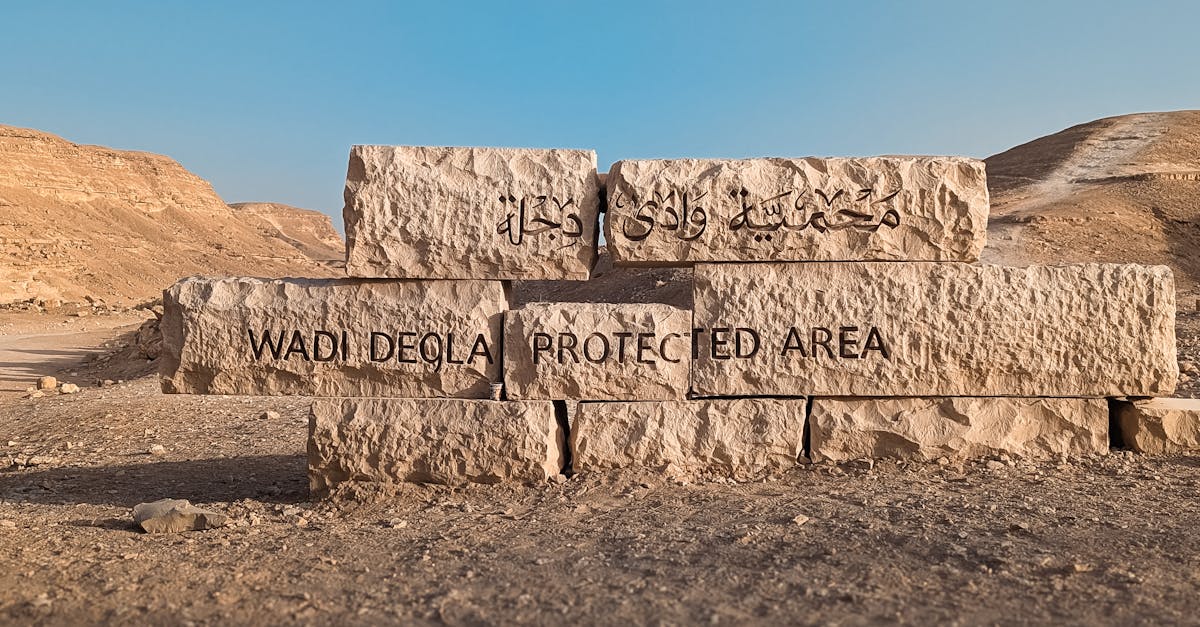
Protecting Natural Wonders: Responsible Visits to Spain's National Parks and Coastlines
Spain's diverse landscapes, from the rugged peaks of Picos de Europa to the pristine dunes of Doñana, are treasures that demand our utmost respect as visitors. To truly honor these natural wonders, travelers must adhere to the "leave no trace" principle by staying strictly on marked trails, never feeding wildlife, and carrying out all waste, including biodegradable items like fruit peels. Many national parks enforce strict seasonal closures or visitor limits to protect fragile ecosystems during critical breeding or nesting periods; checking official park websites before your journey ensures you contribute to conservation efforts rather than inadvertently disrupting them.
Our beloved coastlines, stretching over 8,000 kilometers, face similar challenges from rising tourism numbers, making responsible choices essential for their longevity. When exploring protected marine areas like Cabo de Gata-Níjar Natural Park, opt for certified eco-friendly boat tours that minimize noise pollution and avoid anchoring on seagrass beds. Furthermore, choosing accommodations with recognized sustainability certifications and supporting local businesses that prioritize water conservation helps reduce the environmental footprint of your stay, ensuring that Spain's stunning beaches and coastal towns remain vibrant havens for both nature and future generations of explorers.
 This photo was taken by Abu Bakar Siddique on Pexels.