Sustainable Travel: Eco-Friendly Ways to Explore Rural Spain
 This photo was taken by Erik Mclean on Pexels.
Beyond the bustling streets of Barcelona and the sun-drenched beaches of the Costa del Sol lies a Spain that breathes with a slower, more authentic rhythm. From the rolling hills of Extremadura to the rugged peaks of Asturias, rural Spain offers an unparalleled opportunity to reconnect with nature while supporting the vibrant communities that call these landscapes home. In this guide, we invite you to step off the beaten path and discover how sustainable travel can transform your journey into a meaningful exchange. Whether you are pedaling through ancient vineyards, savoring ingredients harvested just steps away from your plate, or walking alongside local guides in untouched wilderness, you will learn how to explore our countryside responsibly. Join us as we uncover the heart of rural Spain through eco-friendly practices that honor both the land and its people.
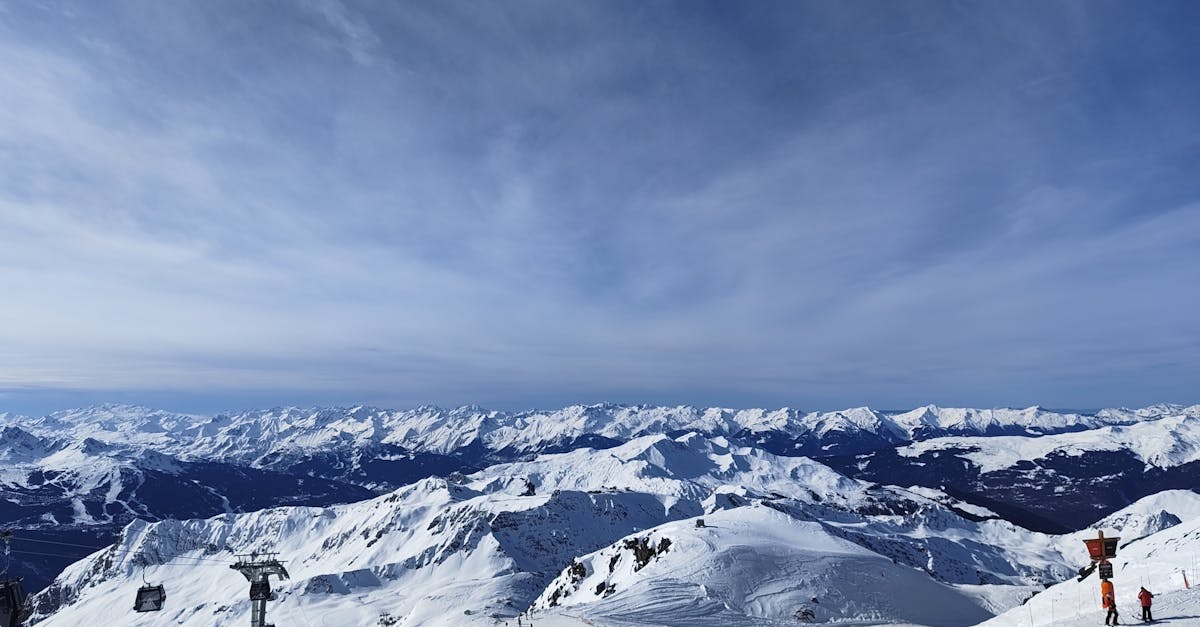
Embracing Slow Travel: Discovering the Heart of Rural Spain by Foot and Bicycle
Imagine trading the hurried pace of city sightseeing for the rhythmic crunch of gravel under your boots or the gentle hum of bicycle tires against winding country roads. Embracing slow travel in rural Spain invites you to disconnect from the digital world and reconnect with the authentic heartbeat of our countryside, where time seems to measure itself in the rising sun over golden wheat fields rather than clock hours. Whether you are trekking the ancient Camino de Santiago paths that wind through Castile or cycling along the tranquil riverbanks of Andalusia, these journeys offer an intimate encounter with local traditions, allowing you to stop at a family-run bodega for fresh cheese and wine, or chat with elderly farmers about their centuries-old olive groves. This immersive approach not only minimizes your carbon footprint but also ensures that the economic benefits of tourism flow directly into the pockets of remote villages that often rely on such mindful exploration to thrive.
By choosing to explore on foot or by bike, you become an active participant in preserving Spain's fragile ecosystems while discovering hidden gems that motorized tours simply cannot reach. The network of "Vías Verdes," converted railway lines now serving as scenic trails, offers a safe and sustainable corridor through some of the most breathtaking landscapes, from the dramatic gorges of the Pyrenees to the arid beauty of La Mancha. As you pedal or walk through these regions, you witness the delicate balance between agriculture and nature, seeing firsthand how local communities practice regenerative farming and protect biodiversity. This mode of travel fosters a deeper sense of responsibility and appreciation for the land, transforming a simple vacation into a meaningful dialogue with the environment and the people who have stewarded it for generations, proving that sometimes the best way to see Spain is to leave the car behind entirely.
 This photo was taken by Loic Van Montagu on Pexels.
Supporting Local Communities: The Art of Responsible Farm-to-Table Dining
Immersing yourself in the heart of rural Spain through farm-to-table dining is one of the most impactful ways to support local communities and preserve traditional lifestyles. By choosing family-run agroturismos or village taverns that source ingredients directly from neighboring fields, you ensure that your travel spending circulates within the local economy rather than leaking out to international corporations. This culinary approach not only guarantees you the freshest seasonal produce, often harvested just hours before it reaches your plate, but also empowers farmers to maintain their heritage crops and sustainable practices against the pressures of industrial agriculture.
Beyond the immediate economic boost, responsible dining acts as a guardian for Spain's rich gastronomic biodiversity and cultural identity. When you savor a stew made with locally raised lamb or a salad featuring heirloom tomatoes from a nearby huerta, you are participating in a centuries-old tradition that connects generations of growers and cooks. As a traveler, asking questions about the origin of your food and engaging with the producers transforms a simple meal into an educational experience, fostering a deeper appreciation for the land and encouraging a tourism model that values ecological balance and community well-being over mere convenience.
 This photo was taken by Jsme MILA on Pexels.
Preserving Nature's Heritage: Guided Eco-Tours in Spain's Hidden Wilderness
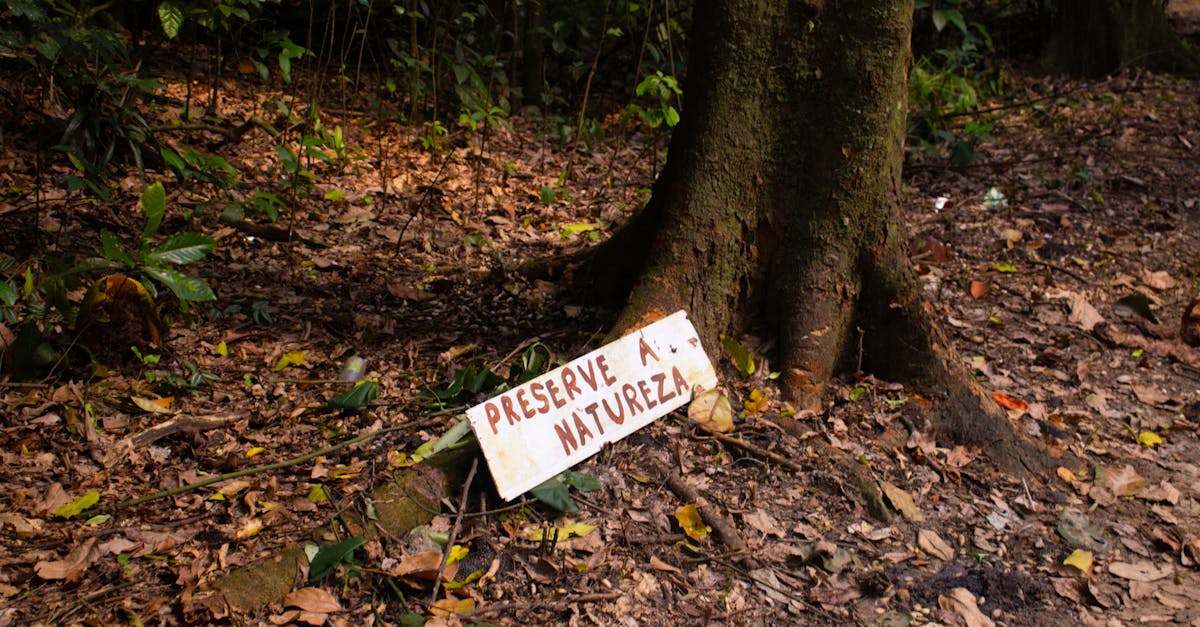
Spain's rural landscapes offer a breathtaking tapestry of biodiversity that extends far beyond the bustling coastal resorts, inviting travelers to discover its hidden wilderness through carefully curated eco-tours. From the misty, ancient beech forests of the Picos de Europa to the arid, star-filled expanses of the Tabernas Desert in Almería, guided experiences allow visitors to connect deeply with nature while minimizing their ecological footprint. Local naturalist guides share centuries-old knowledge about indigenous flora and fauna, explaining how sustainable practices are woven into the very fabric of these remote communities, ensuring that every step taken helps protect fragile ecosystems rather than disturb them.
Choosing a guided eco-tour is not merely an adventure; it is an active contribution to the preservation of Spain's natural heritage. These tours often support local conservation projects directly, funding initiatives that restore native habitats and monitor endangered species like the Iberian lynx or the imperial eagle. By engaging with these responsible travel operators, tourists help sustain the rural economy without compromising the environment, fostering a harmonious balance where cultural traditions thrive alongside wildlife. As you wander off the beaten path under the guidance of experts who cherish their homeland, you become a steward of these pristine landscapes, leaving nothing but footprints and taking away memories that inspire a lifelong commitment to sustainable exploration.
 This photo was taken by Well Santana on Pexels.