Sustainable Travel: Eco-Friendly Tourism Practices in Spain
 This photo was taken by Amine Mayoufi on Pexels.
Welcome to the heart of Spain, a land where vibrant culture and breathtaking landscapes have long captivated travelers from around the globe. As we explore this beautiful country, there is a growing movement to ensure that our journeys leave nothing but footprints on the sand and memories in our hearts. In this post, we will dive deep into the world of sustainable travel, showcasing how you can experience Spain responsibly. From discovering eco-friendly accommodations that blend seamlessly with nature to savoring authentic farm-to-table cuisine and exploring our stunning natural wonders with respect, let's embark on a journey that honors the environment while celebrating the true spirit of Spanish hospitality.
Embracing Green Accommodations and Eco-Lodges
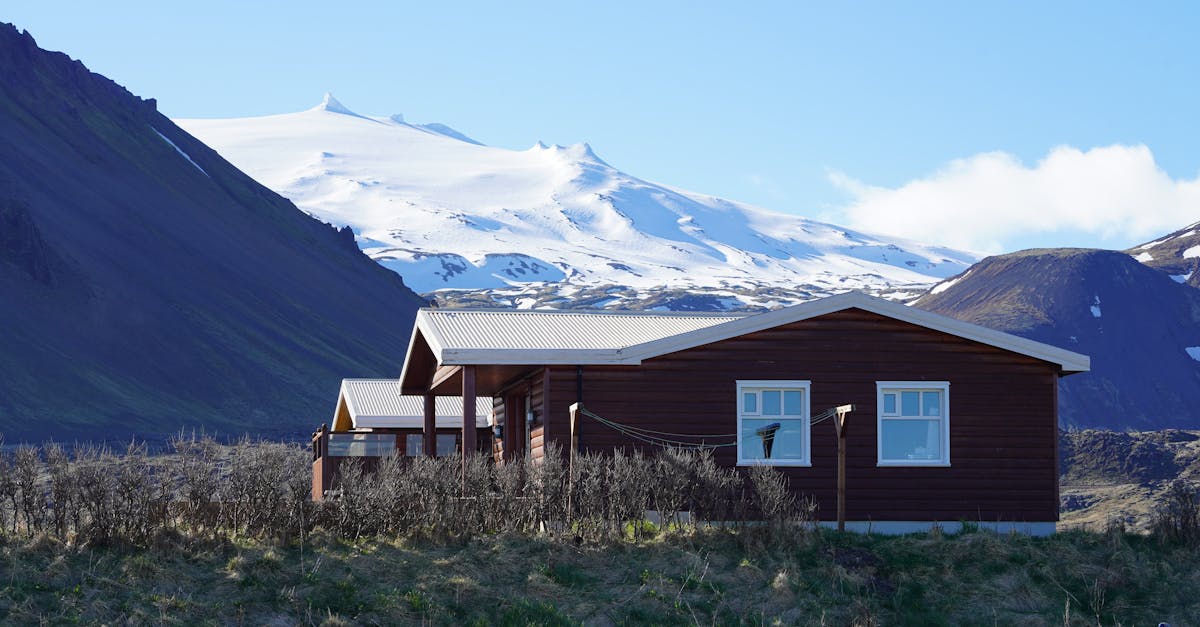
As a traveler exploring the diverse landscapes of Spain, from the lush green valleys of Asturias to the arid expanses of Almería, you will discover an increasing number of eco-lodges and sustainable accommodations that prioritize harmony with nature. These certified establishments often utilize renewable energy sources like solar power, implement rigorous water conservation systems, and source ingredients for their restaurants directly from local organic farms. Staying in these environmentally conscious retreats not only reduces your carbon footprint but also offers a deeper immersion into the Spanish countryside, where architecture blends seamlessly with the surrounding flora, providing a serene escape while supporting the local economy and preserving fragile ecosystems.
Beyond mere accommodation, choosing green lodging in Spain is a commitment to the country's broader vision of responsible tourism, ensuring that future generations can enjoy its natural beauty. Many of these eco-friendly hotels actively engage guests in sustainability initiatives, such as participating in reforestation projects, learning about traditional agricultural practices, or joining guided nature walks led by local experts who are passionate about conservation. By selecting these options, you become part of a growing movement that values quality over quantity, proving that luxury and environmental stewardship can coexist beautifully across the Iberian Peninsula, making your journey both enriching for your soul and beneficial for the planet.
 This photo was taken by X1ntao ZHOU on Pexels.
Savoring Local Flavors with Farm-to-Table Dining
In Spain, the farm-to-table movement is not merely a trend but a deeply rooted cultural tradition that invites travelers to savor the authentic taste of the Iberian Peninsula. From the sun-drenched olive groves of Andalusia to the lush pastures of Asturias, local chefs are championing seasonal ingredients harvested just hours before they hit your plate. Imagine dining in a rustic village near Valencia, where your paella is crafted with rice grown in the nearby Albufera wetlands and prawns caught by local fishermen at dawn. This approach ensures that every bite tells a story of the land, supporting small-scale farmers who have preserved biodiversity and traditional agricultural methods for generations.
Embracing this sustainable culinary philosophy allows tourists to minimize their carbon footprint while enriching their travel experience with unparalleled freshness and flavor. Many eco-conscious restaurants across Spain now partner directly with regional producers, eliminating long supply chains and reducing food waste through creative menus that change daily based on availability. By choosing these establishments, visitors actively contribute to the preservation of Spain's gastronomic heritage and rural economies, turning a simple meal into an act of responsible tourism that honors both the environment and the communities that cultivate it.
 This photo was taken by Rachel Claire on Pexels.
Exploring Spain's Natural Wonders Responsibly
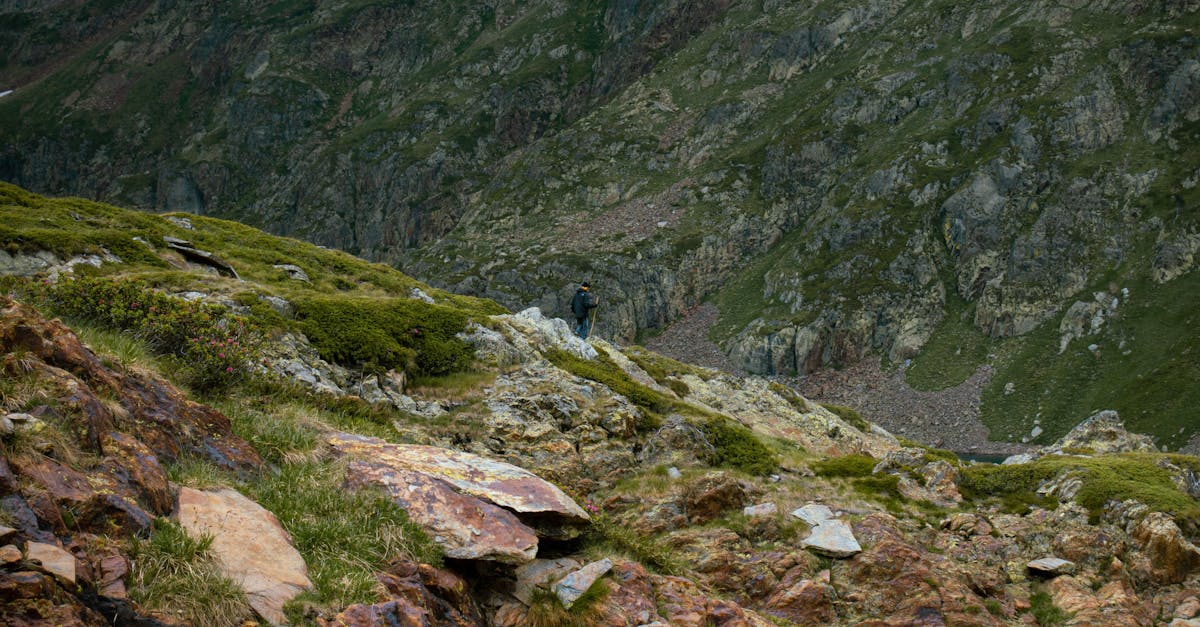
Spain's breathtaking landscapes, from the rugged peaks of the Pyrenees to the sun-drenched cliffs of Cabo de Gata, offer a playground for nature lovers eager to tread lightly. As you hike through the ancient cork oak forests of Andalusia or kayak along the pristine coves of the Costa Brava, remember that preserving these ecosystems is a shared responsibility. Adopting eco-friendly practices means strictly adhering to marked trails in national parks like Doñana, where sensitive bird habitats thrive, and ensuring that your only footprints are those left behind by your boots. By choosing certified sustainable tour operators and respecting local wildlife regulations, such as maintaining a safe distance from nesting sea turtles on the Balearic Islands, you contribute directly to the conservation efforts that keep Spain's natural heritage vibrant for future generations.
Beyond the trails, responsible tourism in Spain extends to how we engage with local communities and resources. Embracing the "slow travel" philosophy allows visitors to immerse themselves in rural villages, supporting local economies while minimizing their carbon footprint through reduced transportation needs. When exploring protected areas, it is crucial to practice "leave no trace" principles rigorously: carry out all waste, avoid single-use plastics, and never remove natural artifacts like stones or shells. Furthermore, selecting accommodations with green certifications ensures that your stay supports renewable energy initiatives and water conservation projects, turning your journey into a positive force for environmental stewardship across this diverse Mediterranean nation.
 This photo was taken by Masi on Pexels.