Sustainable Travel: Eco-Friendly Adventures Across the Iberian Peninsula
 This photo was taken by Nikolaos D. Nomikos on Pexels.
Welcome to the heart of Spain, a land where ancient traditions harmonize with a vibrant commitment to our planet. As your local guide, I invite you to explore an Iberian Peninsula that is redefining travel through conscious choices and deep respect for nature. In this post, we will embark on a journey that proves you can experience the magic of Spanish culture without leaving a heavy footprint. From the spiritual silence of the Northern trails to the pristine shores of our coasts and the revolutionary flavors on our plates, discover how sustainable adventures offer a richer, more authentic connection to this incredible destination.
Walking the Camino: A Low-Impact Journey Through Northern Spain
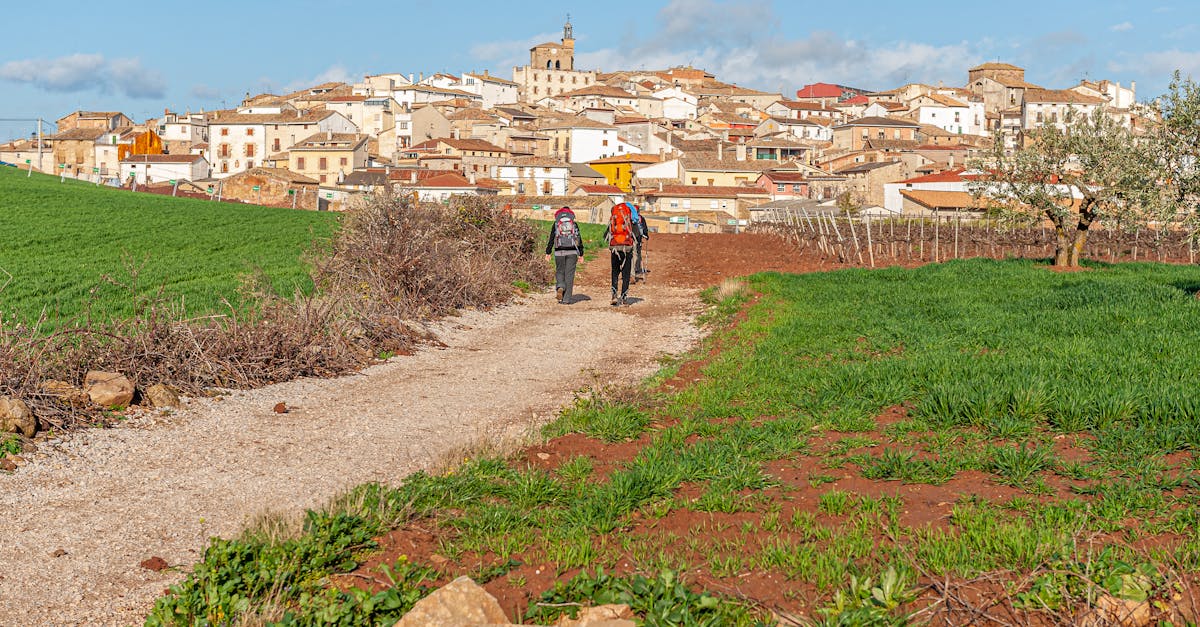
Walking the Camino de Santiago offers a profound connection to Northern Spain's lush landscapes while adhering to the core principles of sustainable travel. As pilgrims traverse the ancient stone paths of the Camino Francés or the rugged coastal trails of the Camino del Norte, they engage in an activity that generates zero carbon emissions and requires minimal infrastructure, allowing nature to thrive undisturbed. This low-impact journey encourages travelers to slow down, appreciating the local flora and fauna from Galicia to the Basque Country without the heavy footprint associated with motorized tourism. By choosing to walk, visitors directly support small, family-run hostels (albergues) and rural eateries, ensuring that the economic benefits of tourism remain within the local communities rather than flowing to large international chains.
Beyond its environmental benefits, the Camino fosters a culture of mindfulness and respect for the destination, making it a perfect example of eco-friendly adventure across the Iberian Peninsula. Travelers are often inspired to adopt practices such as carrying reusable water bottles, minimizing waste, and leaving no trace behind, habits that seamlessly integrate into their broader travel experiences throughout Spain. The route itself acts as a living classroom where cultural heritage is preserved through active engagement rather than passive observation, creating a lasting bond between the visitor and the land. Whether you are seeking spiritual reflection or physical challenge, this pilgrimage path demonstrates how tourism can be both transformative for the individual and regenerative for the environment.
 This photo was taken by Burkard Meyendriesch on Pexels.
Sustainable Coastal Retreats: Protecting the Mediterranean and Atlantic Shores
From the sun-drenched cliffs of Costa Brava to the rugged dunes of Galicia, Spain's coastlines are undergoing a beautiful transformation toward sustainability. Travelers can now explore eco-certified resorts in Catalonia and Andalusia that prioritize water conservation, renewable energy, and zero-waste initiatives without compromising on luxury or comfort. These retreats often feature locally sourced organic cuisine, solar-powered facilities, and educational programs that invite guests to participate in beach clean-ups or marine life monitoring, ensuring that the vibrant ecosystems of the Mediterranean remain thriving for future generations.
Further west, the Atlantic shores offer a different yet equally compelling narrative of conservation, particularly in regions like the Algarve-inspired coasts of Portugal and the wild beaches of Asturias. Here, sustainable tourism focuses heavily on protecting fragile habitats such as salt marshes and dune systems through strict visitor guidelines and low-impact accommodation designs that blend seamlessly into the landscape. By choosing these responsible travel options, visitors not only enjoy pristine natural beauty but also directly contribute to local economies that value environmental stewardship, proving that exploring Spain's diverse coasts can be both an adventure and an act of preservation.
 This photo was taken by Erik Mclean on Pexels.
Eco-Gastronomy: Tasting Spain's Farm-to-Table Revolution
As you wander through the sun-drenched vineyards of La Rioja or the olive groves of Andalusia, you will discover that Spain's culinary landscape is undergoing a profound transformation known as eco-gastronomy. This farm-to-table revolution goes beyond mere trends; it is a deep-rooted commitment to preserving biodiversity and supporting local communities. Imagine sitting at a rustic table in a village near Valencia, savoring a paella made exclusively with rice grown just kilometers away, vegetables harvested that very morning from a neighboring organic plot, and seafood caught using sustainable methods by local fishermen. Chefs across the peninsula are championing "kilometer zero" cooking, rejecting industrial supply chains in favor of seasonal ingredients that tell the story of their specific terroir, ensuring that every bite supports the delicate ecological balance of the region.
Embracing this sustainable travel ethos allows visitors to engage more deeply with Spanish culture while minimizing their environmental footprint. Many agritourism farms and eco-lodges now offer immersive experiences where travelers can participate in harvesting heirloom crops, learn traditional preservation techniques like curing meats or making artisanal cheeses, and dine on menus designed to be entirely waste-free. By choosing these authentic experiences, tourists not only enjoy flavors that are richer and more vibrant due to their freshness but also contribute directly to the conservation of Spain's agricultural heritage. It is an invitation to slow down, taste the true essence of the Iberian Peninsula, and become part of a movement that proves luxury dining and ecological responsibility can perfectly coexist.
 This photo was taken by Hani Salama on Pexels.