Sustainable Tourism in Spain: Eco-Friendly Ways to Explore
 This photo was taken by Amine Mayoufi on Pexels.
Welcome to the heart of Spain, a land where ancient traditions meet a vibrant commitment to preserving our natural heritage. As your local guide, I am thrilled to invite you on a journey that goes beyond the sun-drenched beaches and bustling cities; it is an exploration of a Spain that breathes with nature. In this post, we will uncover how you can travel responsibly while immersing yourself in the country's rich culture and landscapes. From trekking through pristine green trails and cycling along eco-friendly routes to savoring authentic farm-to-table cuisine and resting in community-driven eco-lodges, discover the most rewarding ways to experience our beautiful destination without leaving a trace. Let's embark on this eco-adventure together.
Embracing Spain's Green Trails: Hiking and Cycling the Eco-Route
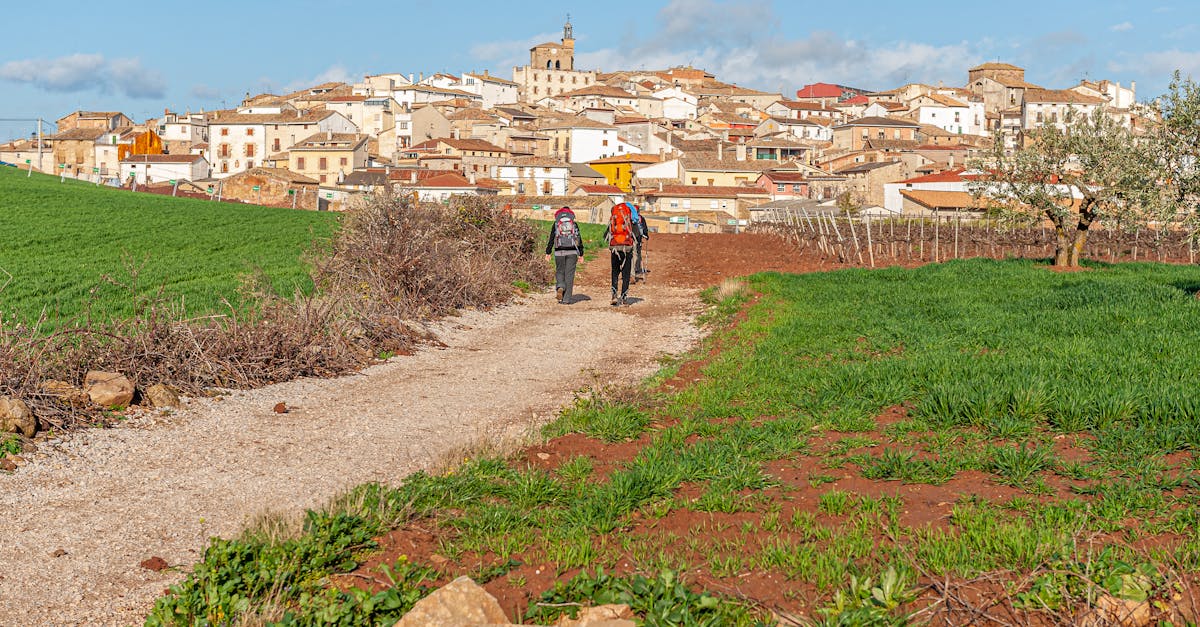
Skip the crowded bus tours and immerse yourself in Spain's breathtaking landscapes through its extensive network of eco-friendly trails, where nature takes center stage. From the lush, emerald-green peaks of the Picos de Europa to the rugged coastal paths of the Costa Verde, hiking allows you to discover hidden villages and ancient monasteries that remain untouched by mass tourism. These designated green routes not only offer a serene escape from the summer heat but also actively support local conservation efforts, ensuring that the pristine biodiversity of regions like Asturias and the Basque Country is preserved for future generations while providing visitors with an authentic connection to the land.
For those who prefer two wheels over boots, cycling offers a dynamic way to traverse Spain's diverse terrain along sustainable corridors designed specifically for low-impact exploration. The Camino del Norte or the dedicated cycle paths winding through Andalusia's olive groves allow travelers to move at a pace that encourages deep observation of local flora and fauna, all while reducing their carbon footprint significantly compared to motorized transport. By choosing these active, eco-conscious itineraries, you directly contribute to the vitality of rural communities, supporting small family-owned hostals and eateries that thrive on the steady flow of responsible travelers seeking a healthier, more immersive Spanish experience.
 This photo was taken by Burkard Meyendriesch on Pexels.
Savoring Local Flavors: Farm-to-Table Dining and Zero-Waste Gastronomy
Spain's culinary landscape is undergoing a vibrant transformation, placing the spotlight on farm-to-table dining experiences that celebrate the country's rich agricultural heritage. From the sun-drenched olive groves of Andalusia to the verdant pastures of Galicia, modern restaurants are increasingly partnering directly with local producers to serve ingredients harvested just hours before they reach your plate. This approach not only guarantees unparalleled freshness and flavor but also strengthens rural economies and preserves traditional farming methods. When you dine at these establishments, you are tasting the true essence of each region, whether it is a slow-cooked lamb stew made with locally reared sheep or a crisp salad featuring seasonal vegetables from nearby organic plots.
Complementing this commitment to local sourcing is Spain's growing embrace of zero-waste gastronomy, where chefs are innovating to minimize food waste and reduce their environmental footprint. Many top-tier kitchens now practice "root-to-stem" cooking, transforming vegetable peels, fruit cores, and fish bones into exquisite stocks, garnishes, and creative dishes that challenge conventional notions of fine dining. Furthermore, the rise of eco-conscious tapas bars and bistros ensures that single-use plastics are virtually eliminated in favor of reusable or compostable alternatives, while water conservation and energy efficiency have become standard operating procedures. By choosing these sustainable dining options, travelers actively contribute to a greener future while enjoying some of the most innovative and delicious meals of their lives.
 This photo was taken by Alexandr Zhukovskyi on Pexels.
Staying Sustainably: Eco-Lodges and Community-Based Tourism Experiences
Spain is rapidly becoming a pioneer in eco-conscious travel, offering a diverse array of certified eco-lodges that seamlessly blend luxury with environmental stewardship. From the solar-powered retreats nestled in the Pyrenees to the restored stone houses in Andalusia utilizing traditional cooling systems, these accommodations are designed to minimize their carbon footprint while maximizing local charm. Guests can immerse themselves in nature without compromising on comfort, enjoying organic farm-to-table meals sourced from on-site gardens and participating in guided biodiversity tours that highlight the region's unique flora and fauna. By choosing these sustainable stays, travelers actively support conservation efforts and help preserve Spain's breathtaking landscapes for future generations.
Beyond accommodation, community-based tourism experiences allow visitors to engage deeply with local cultures while ensuring that economic benefits remain within the host communities. Whether you are learning traditional weaving techniques in rural Galicia or joining a cooperative olive harvest in Jaén, these initiatives foster genuine connections and provide authentic insights into Spanish heritage that mass tourism often overlooks. This approach empowers local families to maintain their traditions and manage their resources sustainably, creating a model where tourism acts as a force for positive social change. As you explore these hidden gems, you contribute directly to the preservation of cultural identity and the promotion of responsible travel practices across the peninsula.
 This photo was taken by Ahmet Yüksek ✪ on Pexels.