Sustainable Tourism: Respecting Nature and Tradition in Spain
 This photo was taken by Abdullah Öğük on Pexels.
Welcome to the heart of Spain, a land where ancient traditions dance in harmony with breathtaking natural wonders. As your local guide, I invite you to explore our beautiful country through the lens of sustainable tourism—a journey that honors both our pristine landscapes and our rich cultural heritage. From the snow-capped peaks of the Pyrenees to the sun-drenched shores of Andalusia, we are dedicated to preserving the environment while supporting communities that keep their history alive. In this post, we will discover how embracing slow travel, respecting local customs, and choosing eco-conscious adventures allows us to experience the true soul of the Iberian Peninsula without leaving a trace. Let's embark on a mindful exploration together.
Preserving Spain's Pristine Landscapes: From Pyrenees to Andalusian Coast
 This photo was taken by Erik Mclean on Pexels.
Honoring Local Heritage: The Art of Slow Travel in Historic Towns
In the cobblestone lanes of historic towns like Cuenca or Úbeda, true sustainable tourism means embracing the art of slow travel to honor local heritage. Rather than rushing through guidebook highlights, visitors are encouraged to wander without a strict itinerary, allowing the rhythm of daily life to dictate their pace. This approach fosters meaningful interactions with artisans in family-run workshops and invites travelers to savor traditional recipes passed down through generations, ensuring that the economic benefits of tourism directly support the preservation of cultural identity.
By choosing to stay longer in these communities, tourists help maintain the delicate balance between modernity and tradition that defines Spain's soul. Slow travel reduces the environmental footprint associated with rapid transit and overtourism while revitalizing local economies that often rely on seasonal fluctuations. When you take time to listen to the stories behind ancient stone walls or participate in regional festivals as a respectful guest, you become an active participant in safeguarding these timeless treasures for future generations.
 This photo was taken by Tahir Xəlfə on Pexels.
Eco-Conscious Adventures: Supporting Green Initiatives Across the Iberian Peninsula
From the sun-drenched coastlines of Andalusia to the rugged peaks of the Pyrenees, Spain is increasingly becoming a beacon for eco-conscious travelers eager to tread lightly while immersing themselves in nature. You can actively support green initiatives by participating in certified wildlife conservation programs in Doñana National Park, where local guides lead educational tours that protect endangered bird species and restore wetland habitats. Whether you are hiking through the ancient forests of Picos de Europa or snorkeling in the protected marine reserves of the Balearic Islands, choosing operators who prioritize carbon neutrality and waste reduction ensures your adventure contributes directly to preserving these pristine ecosystems for future generations.
Beyond the natural landscapes, sustainable tourism in Spain deeply intertwines with the preservation of local traditions and rural communities across the Iberian Peninsula. Many villages have embraced agritourism models that allow visitors to engage in organic farming, learn traditional olive oil pressing techniques, and enjoy farm-to-table dining experiences that eliminate food miles. By staying in eco-lodges powered by renewable energy and purchasing handicrafts made from locally sourced materials, you not only minimize your environmental footprint but also help sustain the cultural heritage and economic vitality of rural areas facing depopulation. This harmonious blend of ecological responsibility and cultural respect transforms your journey into a meaningful contribution to Spain's enduring legacy.
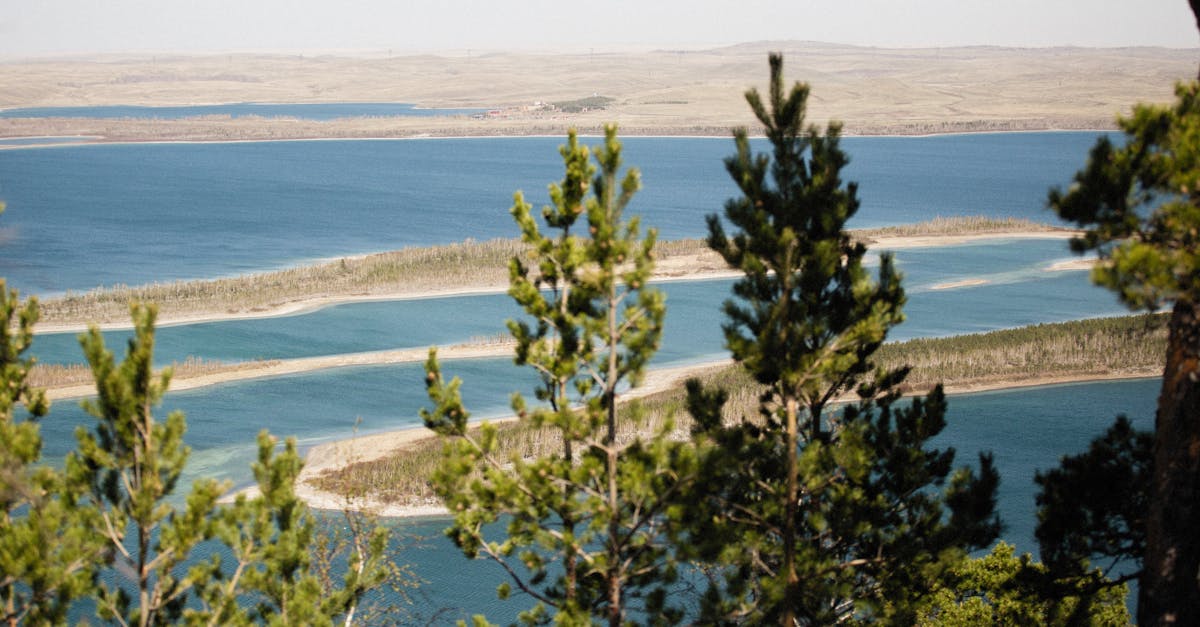 This photo was taken by Alexey Demidov on Pexels.