Sustainable Tourism: How to Travel Responsibly in Spain
 This photo was taken by Gustavo Novo on Pexels.
Welcome to the heart of Spain, a land where ancient traditions dance with modern innovation and breathtaking landscapes await your discovery. As we explore our beautiful country, from the sun-drenched beaches of Andalusia to the rugged peaks of the Pyrenees, it is vital that we do so with care and respect. This guide is dedicated to sustainable tourism, offering you practical ways to travel responsibly while immersing yourself in the true spirit of our culture. By embracing local traditions, supporting small businesses, protecting our pristine coastlines and parks, and mindful travel practices to reduce your carbon footprint, you can ensure that Spain remains vibrant and accessible for generations to come. Let's embark on a journey that honors both the beauty of our destination and the future of our planet.
Embracing Local Traditions and Supporting Small Businesses
To truly embrace the soul of Spain, travelers must immerse themselves in local traditions that have been cherished for generations, from the rhythmic clapping during a flamenco performance in Seville to the communal joy of a village fiesta. By participating respectfully in these cultural events and adhering to local customs, visitors not only deepen their understanding of Spanish heritage but also help preserve the intangible assets that make each region unique. This mindful engagement goes beyond mere observation; it involves supporting the artisans who craft traditional ceramics in Granada or the bakers who maintain ancient sourdough methods in Catalonia, ensuring that these living histories continue to thrive rather than becoming mere tourist spectacles.
Furthermore, sustainable tourism in Spain is most effectively practiced by directing your spending toward small, family-owned businesses rather than international chains. Choosing to dine at a "taberna" tucked away from the main squares, staying in a locally-run guesthouse, or purchasing souvenirs directly from market stalls ensures that your money circulates within the community, providing vital economic support to the people who call these places home. This approach fosters a more authentic travel experience while mitigating the negative impacts of overtourism, allowing you to leave behind a positive legacy that respects both the environment and the local way of life.
 This photo was taken by Diana Solianyk on Pexels.
Respecting Nature: Protecting Spain's Pristine Coastlines and Parks
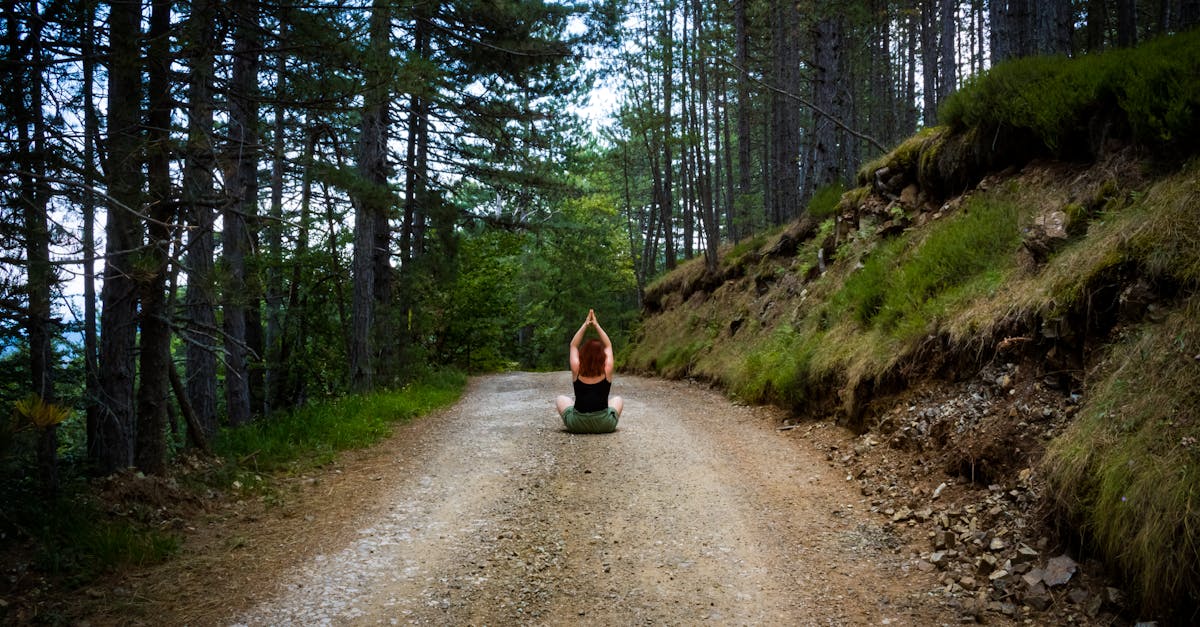
Spain's coastline, stretching over 4,000 kilometers from the rugged cliffs of Galicia to the golden sands of Andalusia, is a treasure that demands our utmost care. As visitors, we must adhere to strict regulations regarding protected marine areas like the Cabrera Archipelago or the Alboran Sea, ensuring we never disturb nesting seabirds or damage fragile seagrass meadows. When exploring national parks such as Doñana or Picos de Europa, it is essential to stay on marked trails and practice "leave no trace" principles; this means carrying out all waste, avoiding the use of single-use plastics near beaches, and respecting wildlife by observing animals from a distance. By choosing eco-certified tour operators and supporting local conservation initiatives, travelers directly contribute to preserving these pristine ecosystems for future generations.
Furthermore, responsible tourism in Spain extends beyond just following rules; it involves actively engaging with the environment in a way that minimizes our carbon footprint while maximizing our appreciation for nature. During peak summer months, many coastal towns face overcrowding, so consider visiting during the shoulder seasons when the landscape is equally stunning but less pressured by mass tourism. Participating in organized beach clean-ups or guided educational hikes offered by park rangers can transform a simple vacation into a meaningful act of stewardship. Remember that every bottle of water you refuse to buy in plastic and every time you choose public transport or cycling over a rental car helps protect the delicate balance of Spain's natural heritage, ensuring that its vibrant blue waters and lush green forests remain untouched and thriving.
 This photo was taken by Jean-Paul Wettstein on Pexels.
Mindful Travel: Reducing Your Carbon Footprint on the Road
Embracing mindful travel in Spain begins with rethinking how you move between its vibrant regions, where the country's extensive and efficient rail network offers a greener alternative to domestic flights. By opting for the high-speed AVE trains or regional services, you not only bypass the congestion of busy highways but also witness the breathtaking diversity of the Spanish landscape—from the green hills of Asturias to the arid plains of Andalusia—without the heavy carbon cost of aviation. For shorter distances, consider renting an electric vehicle or utilizing the excellent public transport systems in cities like Barcelona and Madrid, which are increasingly integrating bus and metro lines with bike-sharing schemes to encourage low-impact exploration.
Beyond transportation, your daily choices as a visitor play a pivotal role in reducing your environmental footprint while supporting local communities. Make a conscious effort to patronize family-owned businesses and markets that source ingredients locally, thereby cutting down on food miles and preserving Spain's rich culinary heritage against industrialization. Additionally, practice responsible waste management by carrying a reusable water bottle, as tap water is safe to drink across most of the peninsula, and avoid single-use plastics that often clutter our beautiful coastlines. By traveling slowly and respecting the natural rhythms of the land, you contribute to a tourism model that protects Spain's ecosystems for future generations while deepening your own cultural immersion.
 This photo was taken by Djordje Ristic on Pexels.