Sustainable Tourism: Eco-Friendly Ways to Explore the Spanish Countryside
 This photo was taken by Quang Nguyen Vinh on Pexels.
Welcome to the beating heart of Spain, where rolling hills, ancient olive groves, and pristine coastlines tell stories that have been whispered for centuries. As your local guide, I invite you to step away from the crowded tourist trails and immerse yourself in a deeper, more meaningful connection with our countryside. This journey is not just about seeing beautiful landscapes; it is about protecting them for future generations while discovering the authentic soul of rural Spain. Whether you are tracing the Camino de Santiago on foot, savoring a meal sourced directly from a family-run farm, or observing wildlife in their natural habitat, sustainable tourism allows us to explore with respect and reverence. Join me as we uncover eco-friendly ways to experience the magic of the Spanish interior, ensuring that every step we take leaves nothing but footprints and memories.
Embracing Slow Travel: Discovering Hidden Villages on Foot and by Bike
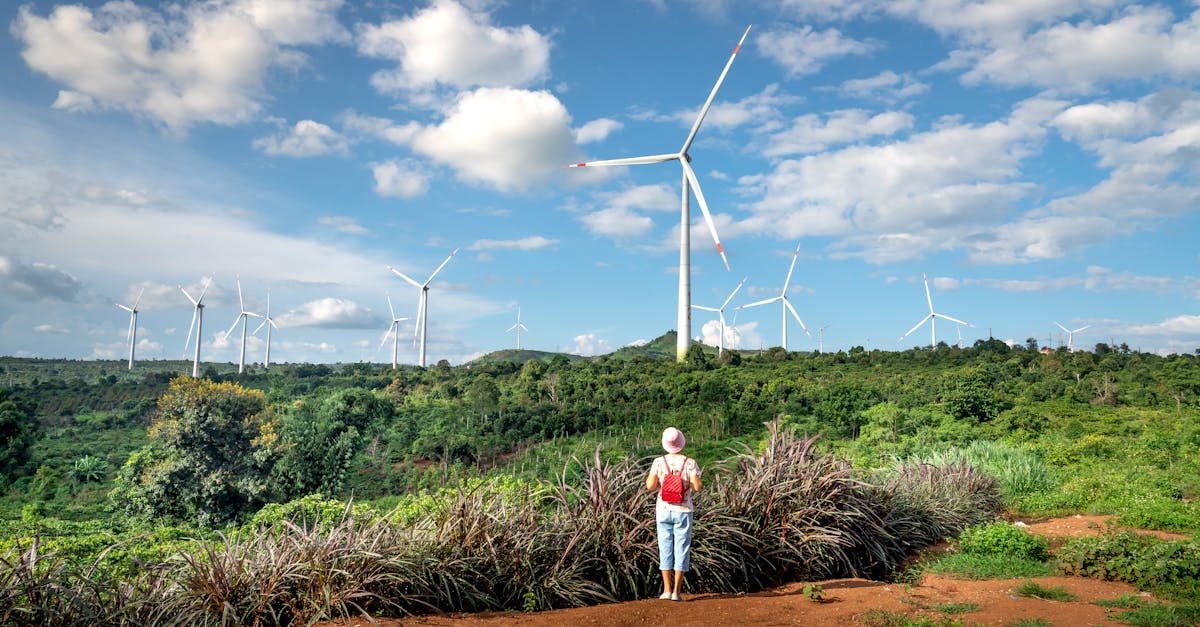
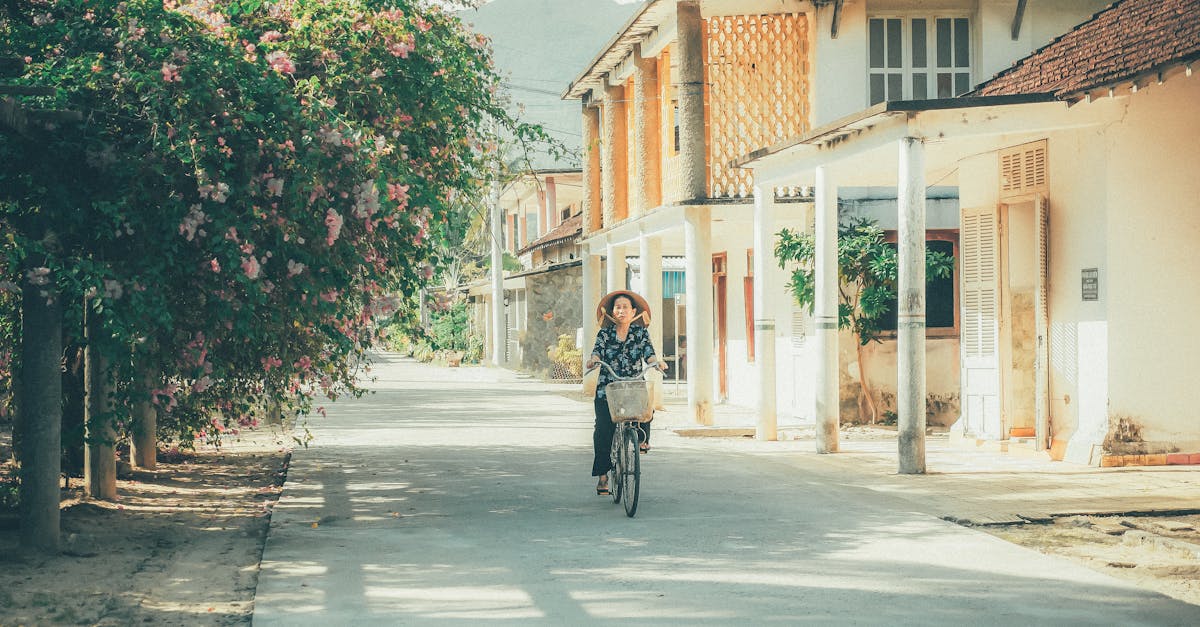
True magic in the Spanish countryside often lies beyond the bustling cities, waiting to be uncovered at a leisurely pace. By choosing to explore our hidden villages on foot or by bicycle, you not only reduce your carbon footprint but also immerse yourself in the authentic rhythm of rural life. Imagine pedaling through the golden olive groves of Andalusia or wandering the cobblestone streets of a medieval hamlet in Galicia, where time seems to stand still. This slow travel approach allows you to engage with local traditions, stop for a fresh glass of wine at a family-run bodega, and discover architectural gems that are easily missed when rushing by car.
Embracing this eco-friendly mode of exploration fosters a deeper connection with the landscape and the communities that call it home. As you traverse the winding paths of the Pyrenees or the sun-drenched trails of La Mancha, you contribute directly to sustainable tourism by supporting small businesses and preserving the delicate balance of these fragile ecosystems. Walking and cycling encourage you to notice the subtle details—the scent of wild thyme, the sound of flowing rivers, and the warm smiles of villagers—transforming a simple journey into a meaningful cultural exchange that respects both nature and heritage.
 This photo was taken by Vũ Bụi on Pexels.
Supporting Local Communities: Where to Find Authentic, Farm-to-Table Experiences
Immerse yourself in the true soul of Spain by seeking out agritourism experiences that directly benefit rural families and preserve ancient farming traditions. From the olive groves of Andalusia to the vineyards of La Rioja, countless "fincas" and "casas rurales" now offer hands-on workshops where you can harvest seasonal produce, learn traditional cheese-making techniques, or simply share a home-cooked meal with the host family. These authentic farm-to-table encounters ensure that your travel spending stays within the local economy, supporting small-scale producers who are often the guardians of biodiversity and cultural heritage in these picturesque landscapes.
To find these genuine connections, look beyond major tourist hubs and visit local markets like Madrid's Mercado de San Miguel or Barcelona's La Boqueria early in the morning, where vendors are eager to tell stories about their specific regions. Many villages also participate in initiatives like "Turismo Rural Sostenible," which certify accommodations and activities that adhere to strict environmental and social responsibility standards. By choosing to dine at restaurants that source ingredients from neighboring farms or participating in guided foraging tours led by local experts, you not only savor the freshest flavors Spain has to offer but also become an active participant in sustaining the vibrant communities that keep the Spanish countryside alive.
 This photo was taken by Erik Mclean on Pexels.
Preserving Nature's Beauty: Responsible Hiking and Wildlife Observation Guidelines
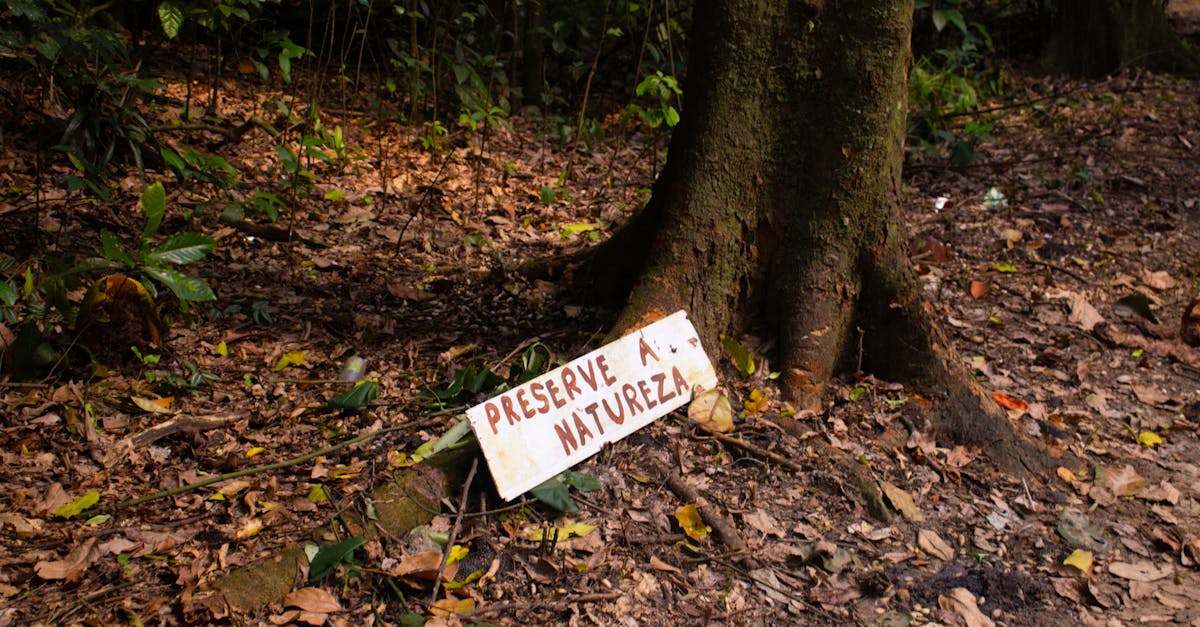
As you trek through the diverse landscapes of Spain, from the rugged peaks of the Pyrenees to the sun-drenched trails of Andalusia, your commitment to responsible hiking is paramount in preserving these natural wonders. Always stay on marked paths to prevent soil erosion and protect fragile vegetation, especially in sensitive areas like the Picos de Europa or the Sierra Nevada National Park. It is also essential to carry out all your waste, including biodegradable items, as litter can disrupt local ecosystems and harm wildlife that might mistake plastic for food. By adhering to the "Leave No Trace" principles, you ensure that the pristine beauty of the Spanish countryside remains intact for future generations of explorers.
When observing Spain's rich wildlife, remember that maintaining a respectful distance is crucial for the well-being of both animals and yourself. Whether you are tracking the elusive Iberian lynx in Doñana or watching golden eagles soar over the Canary Islands, never attempt to feed, touch, or chase creatures, as this causes unnecessary stress and alters their natural behaviors. Use binoculars or telephoto lenses to get a closer look without intruding, and keep noise levels low to avoid disturbing nesting birds or grazing herds. Furthermore, be mindful of seasonal restrictions, such as breeding periods or fire prevention zones, which may temporarily close certain trails; respecting these guidelines demonstrates true appreciation for the delicate balance of nature in our beloved homeland.
 This photo was taken by Well Santana on Pexels.