Sustainable Tourism: Eco-Friendly Ways to Discover the Iberian Peninsula
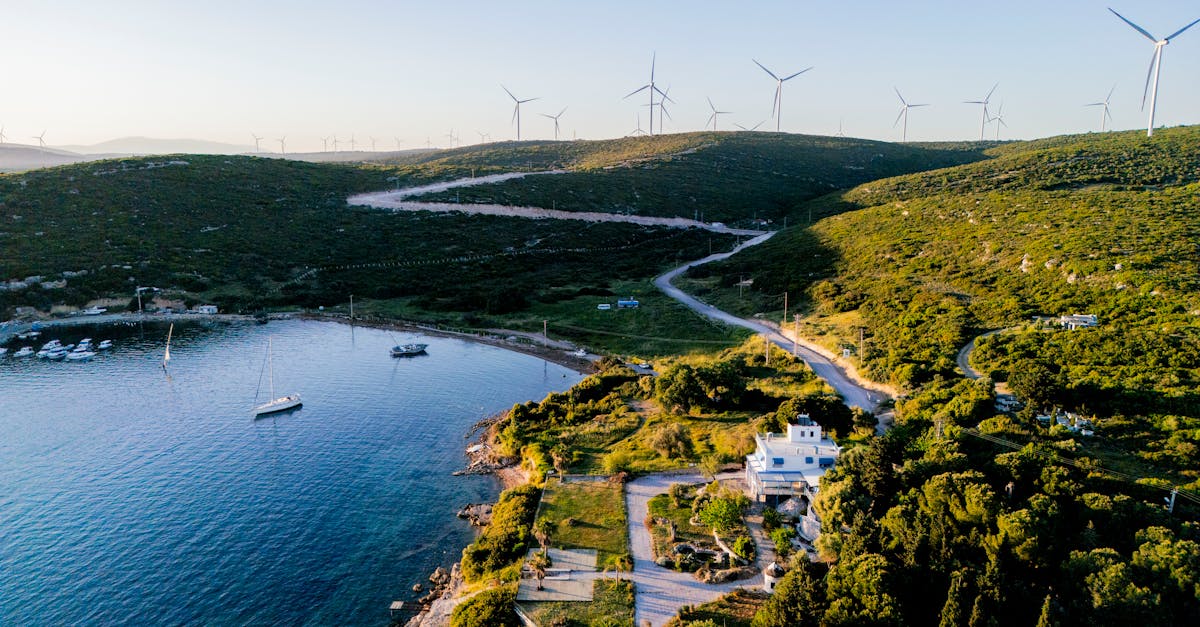 This photo was taken by Abdülkadir KESKİN on Pexels.
Welcome to the heart of the Iberian Peninsula, a land where ancient history dances with vibrant modern culture and breathtaking landscapes stretch from the rugged mountains of Galicia to the sun-drenched shores of the Algarve. As your local guide, I invite you to explore this magnificent region not just as a visitor, but as a conscious traveler committed to preserving its beauty for generations to come. In this post, we will delve into sustainable tourism practices that allow you to experience the true soul of Spain and Portugal while minimizing your footprint. From trekking the historic Camino de Santiago in harmony with nature, to discovering eco-friendly accommodations that uplift rural communities, and finally, learning how to enjoy our precious coastlines responsibly, join me on a journey that proves you can travel deeply without leaving a trace.
Walking the Camino: Low-Impact Journeys Through Spain's Ancient Paths
Walking the Camino de Santiago offers more than just a physical challenge; it is a profound immersion into Spain's sustainable tourism ethos, inviting travelers to tread lightly on ancient paths that have connected pilgrims for centuries. By choosing this low-impact mode of travel, visitors significantly reduce their carbon footprint compared to flying or driving, while simultaneously supporting local economies in rural villages along the route. As you stroll through the lush landscapes of Galicia or the arid plains of Castile, you are not merely observing nature but actively participating in its preservation, adhering to the "leave no trace" principles that ensure these historic trails remain pristine for future generations.
Beyond the environmental benefits, the slow pace of walking fosters a deeper cultural connection with the Iberian Peninsula, allowing you to discover hidden gems far removed from mass tourism hubs. Local hosts often welcome weary walkers with open arms, sharing traditional meals made from locally sourced ingredients and offering stories that might otherwise go untold. This intimate exchange transforms a simple journey into a meaningful dialogue between visitor and host, proving that the most rewarding way to explore Spain is one that respects the land, honors its history, and leaves only footprints behind.
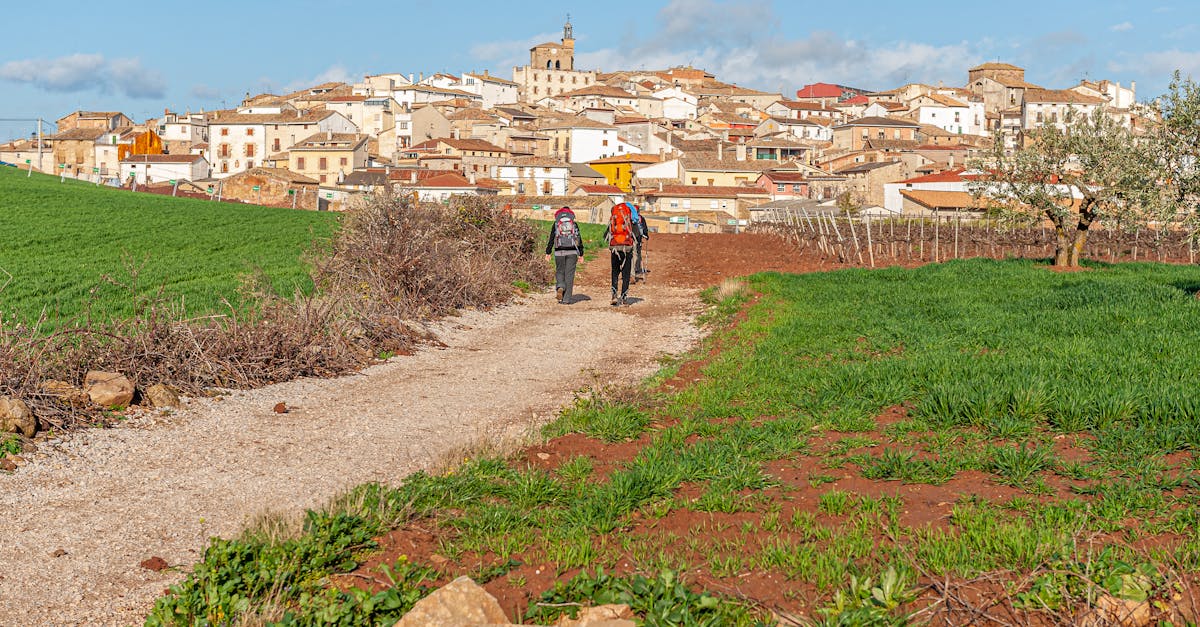 This photo was taken by Burkard Meyendriesch on Pexels.
Green Stays and Local Flavors: Supporting Rural Communities in Portugal and Spain
As we venture beyond the bustling coastlines of the Iberian Peninsula, a hidden gem awaits in the form of rural eco-stays that breathe life into depopulated villages. From the rolling vineyards of La Rioja to the misty mountains of Asturias and the cork forests of Portugal's Alentejo region, travelers can immerse themselves in authentic agroturismos and converted stone farmhouses that prioritize sustainability without sacrificing comfort. By choosing these accommodations, you directly support local families who are revitalizing their heritage through organic farming, traditional crafts, and nature conservation, ensuring that the cultural fabric of these remote areas remains intact for future generations while offering you a serene escape from the crowds.
This commitment to responsible travel extends seamlessly from your bed to your plate, where "local flavors" become a journey through time and terroir. Imagine savoring a breakfast of fresh, farm-to-table cheeses and honey produced by neighbors just down the road, or dining on slow-cooked stews made with heirloom vegetables harvested that very morning. Many rural hosts organize workshops where guests learn to make artisanal bread, harvest olives, or taste rare regional wines alongside the producers themselves. This direct connection not only guarantees an unforgettable culinary experience but also channels tourism revenue straight into the hands of the community, fostering economic resilience and preserving the unique gastronomic identity that defines the soul of Spain and Portugal.
 This photo was taken by Igor Passchier on Pexels.
Protecting Coastal Gems: Responsible Beach Tourism from Andalusia to the Algarve
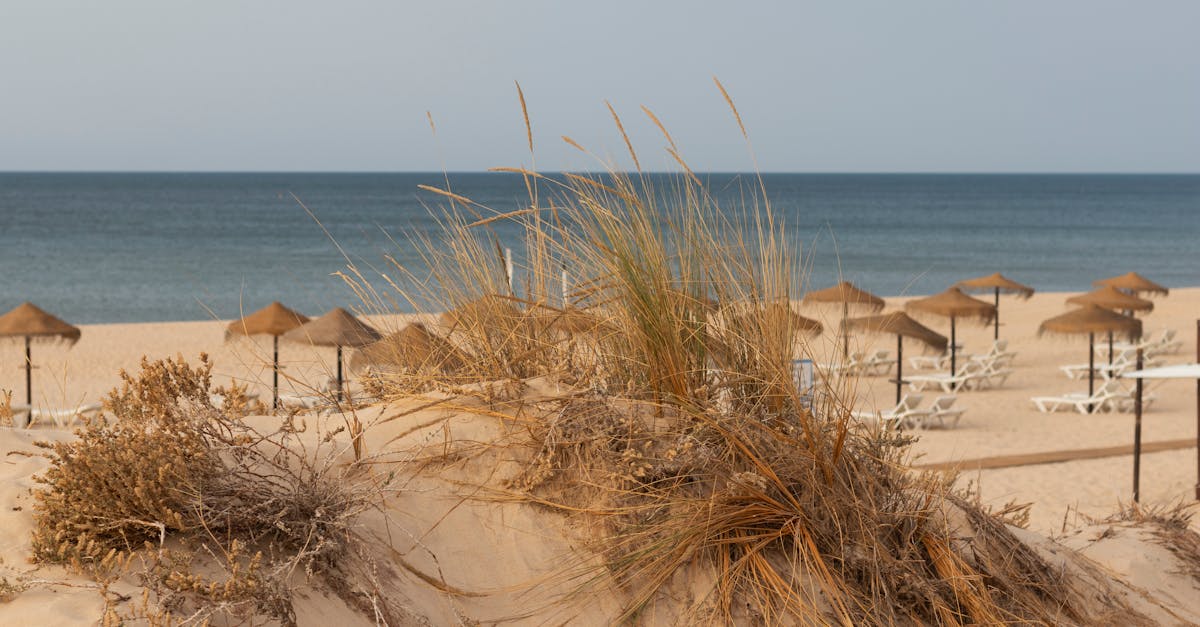
Stretching from the sun-drenched cliffs of Andalusia to the rugged coastlines of the Algarve, the Iberian Peninsula boasts some of Europe's most breathtaking beaches, yet these coastal gems face increasing pressure from overtourism. As your guide, I encourage you to explore destinations like Tarifa or Sagres not just for their stunning vistas, but by embracing a philosophy of "leave no trace." This means avoiding single-use plastics, respecting protected dune systems that act as natural barriers against erosion, and choosing local, eco-certified accommodations that prioritize water conservation. By venturing beyond the crowded main strips during peak summer months and visiting lesser-known coves accessible only by foot or boat, travelers can help distribute economic benefits more evenly while preserving the delicate ecosystems that make these regions so unique.
Responsible beach tourism in this region also involves a deep respect for local culture and wildlife, ensuring that our presence supports rather than disrupts the communities we visit. In Andalusia, for instance, many towns have implemented strict regulations on beach access to protect nesting sites for endangered species like the European turtle, while in Portugal, initiatives are underway to restore native vegetation along the coastline. You can contribute directly by participating in organized beach clean-ups, supporting businesses that source ingredients locally, and adhering to designated swimming zones to avoid disturbing marine life. When we travel with intention, prioritizing sustainability over convenience, we ensure that the azure waters and golden sands of the Iberian Peninsula remain pristine treasures for generations of future explorers to enjoy.
 This photo was taken by Anselmo Machado on Pexels.