Sustainable Tourism: Eco-Friendly Travel Tips for Spain
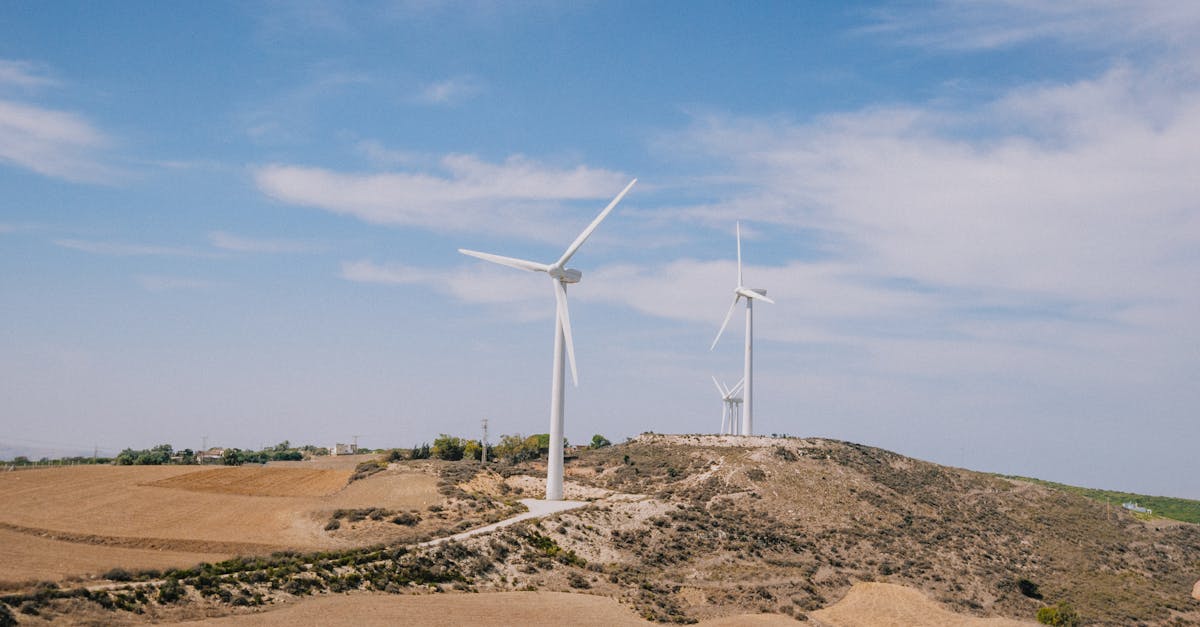 This photo was taken by Amine Mayoufi on Pexels.
Welcome to the heart of Spain, a land where ancient traditions dance with modern innovation and where the vibrant culture is deeply rooted in respect for nature. As your local guide, I am thrilled to share why Spain has become a beacon for sustainable travel, offering an experience that nourishes both the soul and the planet. In this post, we will embark on a journey through our protected landscapes, from the wetlands of Doñana to the rugged peaks of the Pyrenees, discovering how you can immerse yourself in our green heritage. We'll also explore the delicious world of farm-to-table dining, revealing how eating locally supports our communities while delighting your palate. Finally, we will discuss eco-conscious ways to move around, helping you uncover hidden gems off the beaten path without leaving a heavy footprint. Get ready to travel responsibly and fall in love with Spain all over again.
Embracing Spain's Green Heritage: From Doñana to the Pyrenees
 This photo was taken by Erik Mclean on Pexels.
Taste the Local Flavor: Sustainable Dining and Farm-to-Table Experiences
Immerse yourself in the authentic heart of Spanish gastronomy by embracing the country's booming farm-to-table movement, where seasonal ingredients are sourced directly from local producers within a few kilometers of your plate. From the sun-drenched olive groves of Andalusia to the verdant pastures of Asturias, many restaurants now partner with small-scale farmers to create menus that celebrate biodiversity and reduce carbon footprints. By choosing establishments that prioritize zero-waste practices and seasonal produce, you not only savor dishes bursting with fresh, unadulterated flavors but also support the preservation of traditional agricultural methods that have defined Spain's culinary landscape for generations.
Beyond the restaurant scene, sustainable dining in Spain often extends to immersive experiences like visiting family-run wineries or participating in harvest festivals where tourists can pick their own fruits or learn about regenerative farming techniques. These eco-conscious journeys allow you to connect deeply with the land and its people, transforming a simple meal into a meaningful cultural exchange. Whether you are enjoying a tapas bar that sources exclusively from nearby markets or staying at an eco-lodge that grows its own vegetables, every bite offers a taste of responsible tourism, proving that delicious food and environmental stewardship go hand in hand in this vibrant Mediterranean destination.
 This photo was taken by Szymon Shields on Pexels.
Moving Responsibly: Eco-Conscious Transport and Off-the-Beaten-Path Destinations
Exploring Spain responsibly begins with choosing low-impact transport options that let you savor the landscape without leaving a heavy carbon footprint. Instead of relying on domestic flights, consider the extensive and efficient high-speed AVE train network, which connects major cities like Madrid, Barcelona, and Seville in hours while offering scenic views of rolling hills and vineyards. For those who prefer a slower pace, renting an electric car or utilizing local bus services allows for deeper immersion into rural regions, where you can discover hidden gems far from the crowded tourist hubs. By prioritizing trains, bicycles, and walking tours, you not only reduce emissions but also engage more authentically with the communities you visit.
Once you step off the beaten path, you will find that Spain's most breathtaking experiences often lie beyond its famous coastal resorts and historic centers. Venture inland to the rugged mountains of Asturias or the quiet plains of Extremadura, where sustainable eco-lodges and agritourism farms welcome visitors eager to learn about local traditions and conservation efforts. These lesser-known destinations offer a chance to support small businesses directly, ensuring that tourism revenue benefits local families rather than large corporations. Whether hiking through the Picos de Europa or cycling along the Camino de Santiago, traveling off the main route helps preserve Spain's natural beauty and cultural heritage for future generations to enjoy.
 This photo was taken by Ekaterina Belinskaya on Pexels.