Sustainable Tourism: Eco-Friendly Adventures in Rural Spain
 This photo was taken by Amine Mayoufi on Pexels.
Beyond the sun-drenched beaches and bustling city squares, Spain holds a quieter, greener secret waiting to be discovered. Welcome to the soul of our countryside, where ancient traditions meet modern sustainability. In this post, we invite you to step away from the rush and immerse yourself in the lush landscapes of the Dehesa, discover the charm of eco-conscious accommodations that support local communities, and savor flavors straight from the soil. Join us as we explore how embracing slow travel in rural Spain offers not just an escape, but a meaningful way to protect the heritage and nature that make our country so unique.
Embracing Slow Travel in the Heart of the Dehesa
Immerse yourself in the rhythmic pace of rural life as you wander through the sprawling Dehesa, a unique Mediterranean woodland ecosystem that serves as the beating heart of sustainable tourism in Spain. Here, slow travel is not merely a concept but a way of being, inviting you to disconnect from the digital world and reconnect with nature's timeless cadence. Instead of rushing between landmarks, take your time to stroll beneath the ancient cork oaks where Iberian pigs roam freely, or sit by a clear stream listening to the rustle of leaves and the distant call of imperial eagles. This deliberate slowness allows travelers to truly appreciate the intricate balance of this agro-silvo-pastoral landscape, fostering a deep respect for the local traditions that have thrived here for centuries.
Embracing this tranquil lifestyle offers an authentic encounter with Spanish heritage while actively supporting the preservation of biodiversity and local economies. By choosing eco-friendly accommodations nestled within the Dehesa and savoring farm-to-table meals featuring seasonal produce like wild mushrooms, acorns, and artisanal cheeses, visitors contribute directly to the conservation efforts of these fragile ecosystems. The experience transcends simple sightseeing; it becomes a journey of discovery where every step taken on dusty paths supports the livelihoods of rural communities who act as guardians of their land. As the sun sets over the golden hills, painting the sky in hues of amber and violet, you realize that the true luxury of travel lies in these unhurried moments of presence, leaving you refreshed and inspired to protect our shared natural heritage.
 This photo was taken by Florencia Brain on Pexels.
Staying Local: Eco-Lodges and Rural Homestays
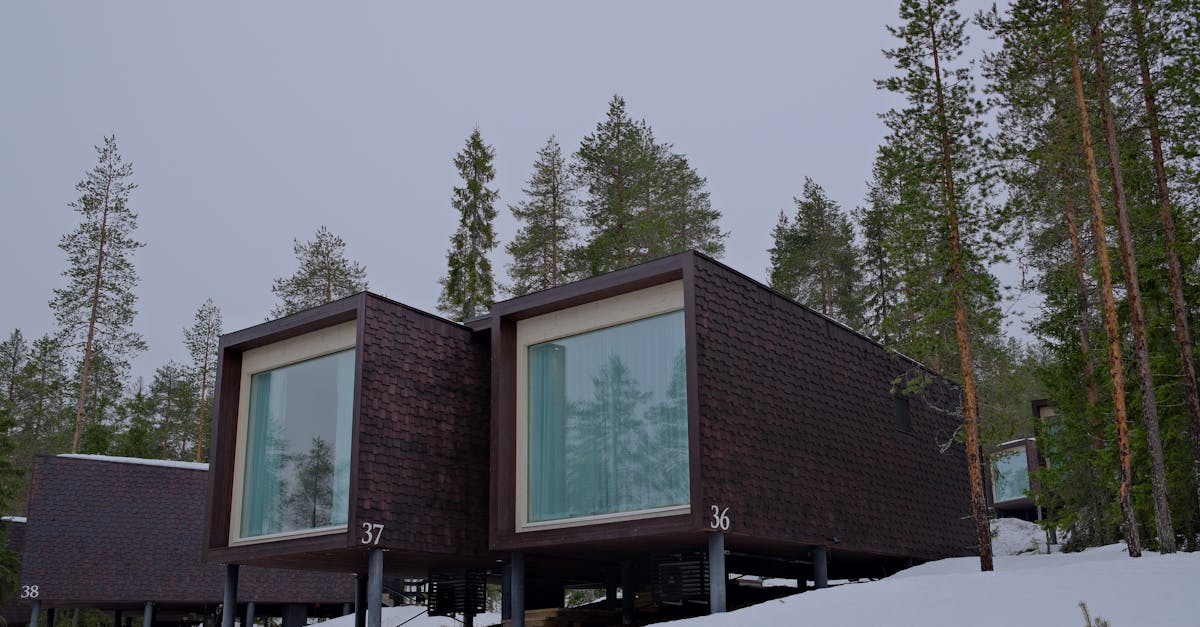
Immerse yourself in the authentic rhythm of rural Spain by choosing an eco-lodge nestled deep within its ancient forests or rolling olive groves. These sustainable retreats, from the misty peaks of Asturias to the sun-drenched dehesas of Extremadura, are designed with minimal environmental impact, often utilizing solar power, rainwater harvesting, and locally sourced materials like stone and wood. Staying here offers more than just a roof over your head; it is an invitation to disconnect from the digital world and reconnect with nature, where you might wake up to the sound of birdsong instead of traffic, enjoy organic meals prepared with ingredients harvested that very morning from the property's garden, and participate in guided foraging walks or traditional farming workshops led by knowledgeable locals.
For those seeking a deeper cultural connection, rural homestays (known as casa rural or agroturismo) provide a warm, family-oriented experience that puts you directly in the heart of village life. By sharing a home with a Spanish family, you gain exclusive access to generations-old traditions, from learning to make fresh tortilla Española at the kitchen table to discovering hidden hiking trails known only to residents. This form of tourism ensures that your travel dollars support local economies directly, helping to preserve endangered villages and maintain the unique heritage of Spain's countryside while allowing you to live like a local, sipping coffee on a terrace under centuries-old plane trees and listening to stories that no guidebook could ever tell.
 This photo was taken by Mingyang LIU on Pexels.
Culinary Journeys: Farm-to-Table Experiences
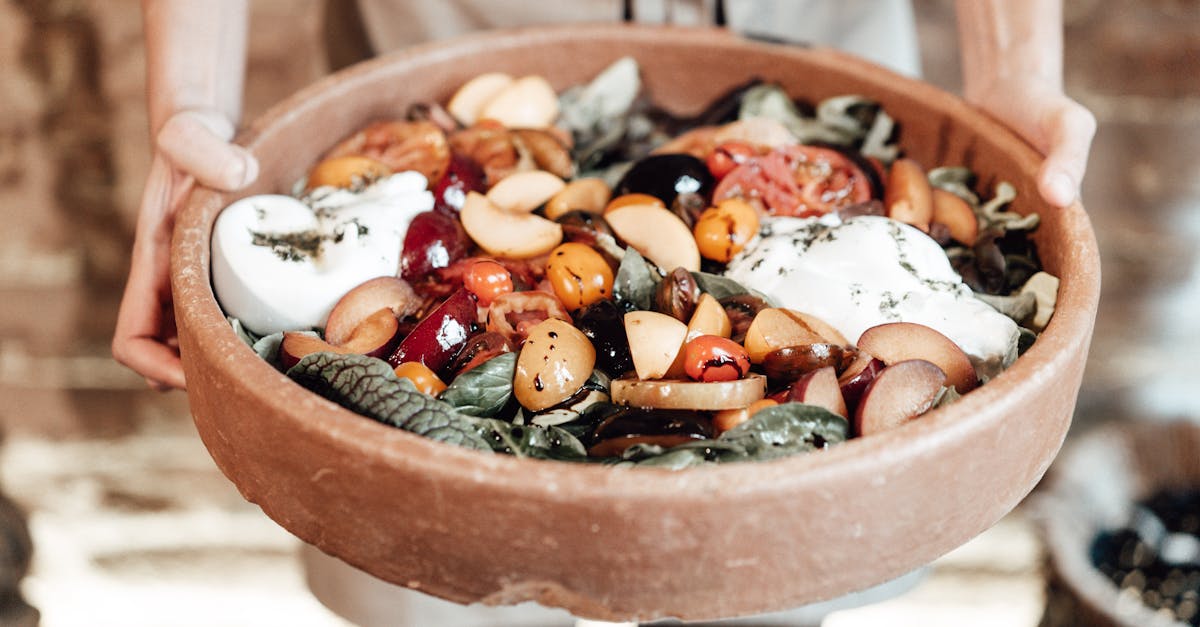
Immerse yourself in the heart of Spain's countryside, where the concept of farm-to-table transcends a mere trend to become a cherished way of life. In regions like Andalusia, Castilla y León, and the Basque Country, sustainable tourism invites you to walk directly from the olive grove or vineyard to the kitchen table, witnessing the entire journey of your meal. You can participate in traditional harvesting techniques for seasonal produce, learn the ancient art of cheese-making from local shepherds, and taste ingredients that have traveled only meters from the soil to your plate, ensuring zero food miles and an authentic connection to the land.
These culinary adventures are not just about dining; they are a celebration of biodiversity and heritage preservation. By choosing eco-friendly rural lodges and agritourism farms, your visit directly supports small-scale producers who prioritize organic methods and protect native crop varieties. Whether you are savoring a rustic stew made with free-range pork or sampling artisanal wines paired with locally cured meats, every bite tells a story of environmental stewardship, reinforcing the idea that the most delicious flavors are those grown with respect for nature and passed down through generations.
 This photo was taken by furkanfdemir on Pexels.