Sunny Days and Siestas: Understanding the Spanish Way of Life
 This photo was taken by Tuğba on Pexels.
¡Hola and welcome to the land of golden sunsets and vibrant plazas! As your local guide, I often hear travelers ask how Spain manages to balance such intense energy with a seemingly relaxed rhythm. The secret lies in a lifestyle that has been perfected over centuries: one where time is not measured by the clock, but by the warmth of the sun and the joy of connection. In this post, we will peel back the layers of the Spanish way of life, exploring why the midday siesta is more than just a nap, how meal times transform into cherished social rituals from tapas bars to late-night dinners, and why learning to live despacio might be the most rewarding lesson you can take home. Get ready to slow down, soak up the rays, and discover the true heartbeat of Spain.
The Art of the Siesta: Resting in the Midday Sun
The siesta is far more than a simple afternoon nap; it is a deeply ingrained cultural rhythm that harmonizes with Spain's scorching midday sun and historic agricultural roots. Traditionally, this period of rest allowed workers to escape the peak heat between 2:00 PM and 5:00 PM, a time when many shops close their shutters and streets fall into a peaceful hush, inviting visitors to enjoy a leisurely late lunch or simply stroll through shaded plazas. While modern urban life has accelerated in major cities like Madrid and Barcelona, the spirit of the siesta remains alive in smaller towns and rural villages, where the day still pauses to honor the need for rejuvenation under the golden glow of the Mediterranean sky.
For the traveler, embracing this tradition offers a unique window into the Spanish philosophy of work-life balance, prioritizing well-being over relentless productivity. Instead of rushing through the afternoon, locals often gather at terraces for an espresso or a glass of wine, savoring the moment before the evening activities begin later in the day. By slowing down during these hours, you align yourself with the local tempo, discovering that the true magic of Spain often unfolds not in the frantic pace of tourism, but in the quiet, sun-drenched interludes where time seems to stand still.
 This photo was taken by Thắng-Nhật Trần on Pexels.
Meal Times as Social Rituals: From Tapas to Late Dinners
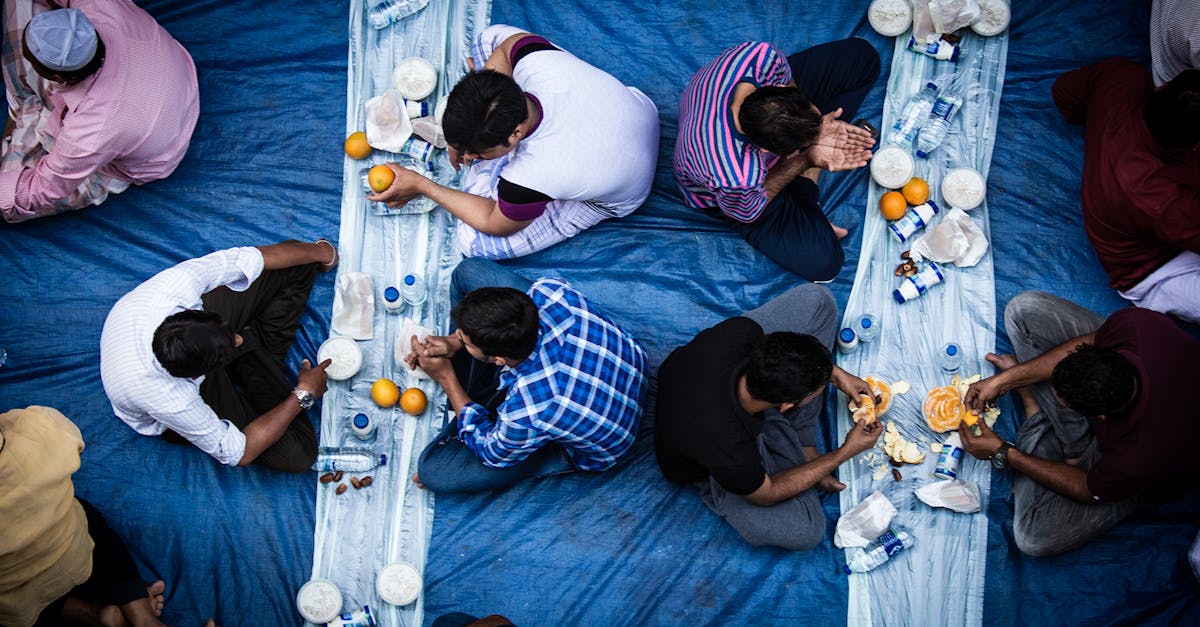
In Spain, meal times are far more than mere biological necessities; they are cherished social rituals that anchor the rhythm of daily life. The legendary Spanish lunch, or la comida, typically begins around 2:00 PM and often extends well into the afternoon, serving as a communal pause where families and friends gather to share multiple courses and lively conversation. This tradition is perfectly complemented by the culture of tapas, small plates designed for sharing that transform bars into vibrant community hubs. Whether you are hopping between venues in Madrid's La Latina district or enjoying a glass of wine with anchovies in Seville, these early evening snacks are an invitation to slow down, connect, and savor the moment before the day truly winds down.
The late-night dinner schedule, usually starting after 9:00 PM and sometimes not until midnight, reflects a unique adaptation to the Mediterranean climate and the cultural emphasis on nightlife. By the time locals sit down for their main evening meal, the sun has long set, allowing for a leisurely dining experience that can last several hours under the glow of streetlights or candlelit terraces. This practice underscores the Spanish philosophy that food is best enjoyed in good company, turning every dinner into a celebration of life. As a visitor, embracing this timeline means adjusting your own pace, stepping away from the rush, and immersing yourself in the warm, unhurried atmosphere that defines the true Spanish way of living.
 This photo was taken by DEEN SALLY on Pexels.
Living at a Slower Pace: Embracing 'Despacio'
Embracing the Spanish concept of 'despacio' is less about laziness and more about a deliberate choice to savor the present moment, transforming your holiday from a checklist of sights into a series of cherished experiences. Here, time is measured not by the ticking clock but by the length of a conversation over coffee or the golden hour spent watching the sunset in a plaza. Whether you are strolling through the narrow streets of Granada or relaxing on a beach in Malaga, the rhythm of life invites you to pause, breathe, and appreciate the simple beauty of the surroundings without the rush that often defines travel elsewhere.
This slower pace is most famously embodied in the tradition of the siesta, which serves as a gentle reminder to recharge and reconnect with loved ones during the heat of the afternoon. Instead of viewing this midday break as lost time, locals see it as an essential part of maintaining well-being and social harmony, allowing shops to close so families can share a leisurely meal before the evening comes alive with tapas and laughter. By adopting this mindset, visitors find themselves naturally syncing with the local heartbeat, discovering that the true magic of Spain lies not just in its monuments, but in the unhurried joy of living fully in every passing hour.
 This photo was taken by Mehmet Turgut Kirkgoz on Pexels.