Street Food Revolution: Trying Paella, Churros, and Pintxos Like a Local
 This photo was taken by Caique Araujo on Pexels.
Welcome to the heart of Spanish culinary culture, where tradition meets a vibrant street food revolution. While many travelers flock to famous landmarks, the true soul of Spain is often found in its bustling markets and lively tapas bars. In this post, we ditch the tourist traps to explore how locals truly savor their national dishes: from mastering the authentic art of cooking paella far outside Valencia's shores, to embracing the golden warmth of churros con chocolate as a morning ritual worth every minute of waiting. We'll also guide you through the electric atmosphere of pintxos hopping, showing you exactly how to navigate the Basque Country's unique bar culture like a true insider. Get your appetite ready, because we are about to take you on an unforgettable gastronomic journey.
The Authentic Art of Cooking Paella Outside Valencia
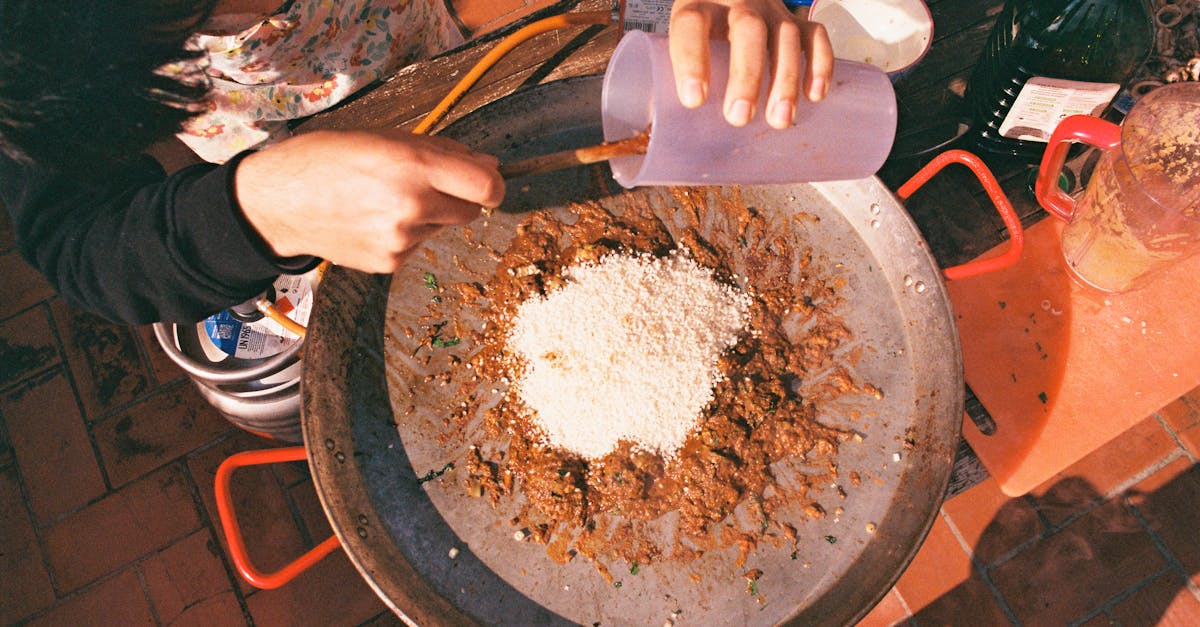
While Valencia is the undisputed birthplace of this iconic rice dish, the true spirit of paella transcends regional borders and finds its most soulful expression when cooked outdoors. Imagine gathering around a traditional fogón, a portable wood-fired stove set up in a sun-drenched courtyard or by the sea, where the rhythmic clatter of wooden spoons mixes with the crackling of orange wood. This outdoor ritual transforms the meal from a simple dinner into a communal celebration; the chef often invites guests to stir the pan, ensuring the precious socarrat—that coveted crispy layer of caramelized rice at the bottom—is formed perfectly without burning. It is here, away from the rigid rules of restaurant kitchens, that you taste the authentic smokiness of the fire and feel the genuine warmth of Spanish hospitality.
However, venturing outside Valencia requires a respectful nod to tradition, as purists argue that only specific ingredients like green beans, snails, and rabbit belong in a "true" Valencian paella, while seafood variations are a coastal adaptation. Yet, in other parts of Spain, the art lies in adapting the technique to local bounty without losing the essence of the dish: short-grain rice, saffron-infused broth, and patience. Whether you are trying a mountain-style paella loaded with game meats or a coastal version bursting with fresh prawns and mussels on a beachside terrace, the key is to embrace the improvisation. By focusing on the method of cooking over an open flame rather than strict ingredient lists, you join a growing movement of food lovers across the country who celebrate paella not just as a recipe, but as a shared, outdoor experience that brings people together under the Spanish sky.
 This photo was taken by Andreu Marquès on Pexels.
Churros Con Chocolate: A Morning Ritual Worth the Wait
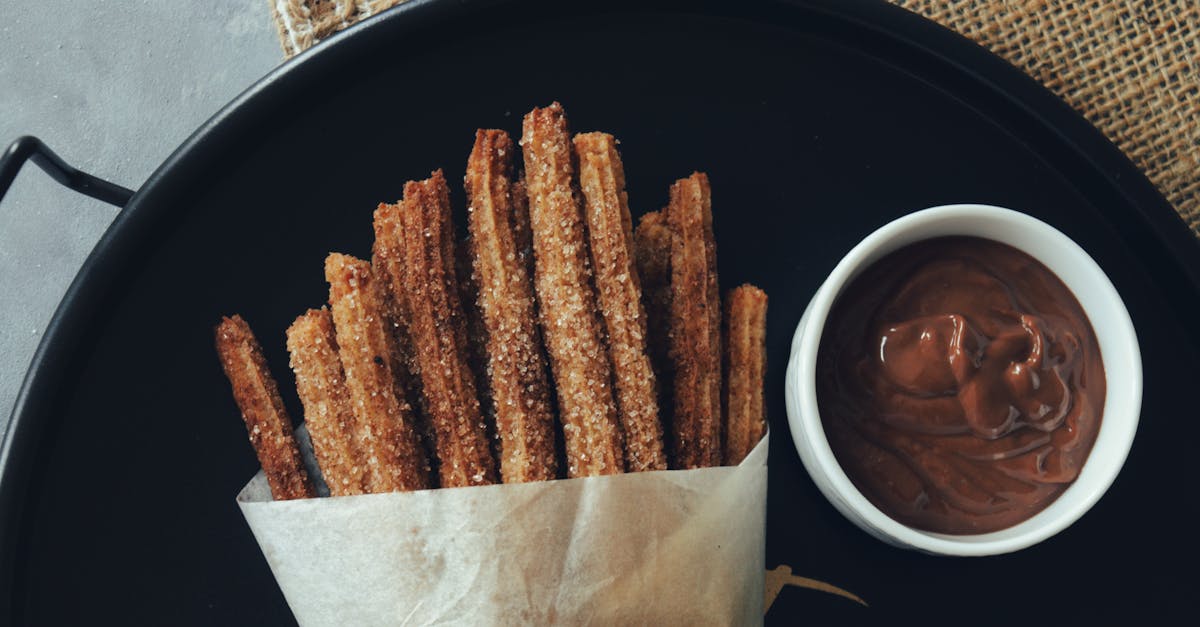
There is no better way to greet the Spanish sun than by diving into a churrería, where the air is thick with the sweet aroma of fried dough and rich, dark chocolate. This morning ritual involves ordering a plate of freshly made churros—those crispy, ridged sticks that are golden on the outside and soft within—and dipping them into a cup of chocolate a la taza. Unlike the thin drinking chocolate found elsewhere, the Spanish version is incredibly dense, almost like melted fondant, designed specifically for coating the churros rather than sipping alone. Locals often gather at these bustling counters, standing elbow-to-elbow with coffee cups in hand, turning a simple breakfast into a communal celebration of flavor that has been perfected over generations.
The true essence of this experience lies not just in the taste, but in the patience required to enjoy it properly; rushing through a churro session is considered a culinary faux pas. As you wait for your order, watch the skilled churrero expertly pipe the batter into hot oil, creating those iconic shapes that promise a satisfying crunch with every bite. Whether you are in Madrid's historic Plaza Mayor or a quiet corner in Valencia, the combination of the warm, sugary pastry and the velvety, bitter-sweet chocolate offers a comforting contrast that wakes up the senses. It is a small, indulgent pause in your day that anchors you in Spanish culture, reminding you that sometimes the best moments are the ones shared slowly over a steaming cup of chocolate.
 This photo was taken by Çiğdem Bilgin on Pexels.
Pintxos Hopping: Navigating the Basque Country's Bar Culture
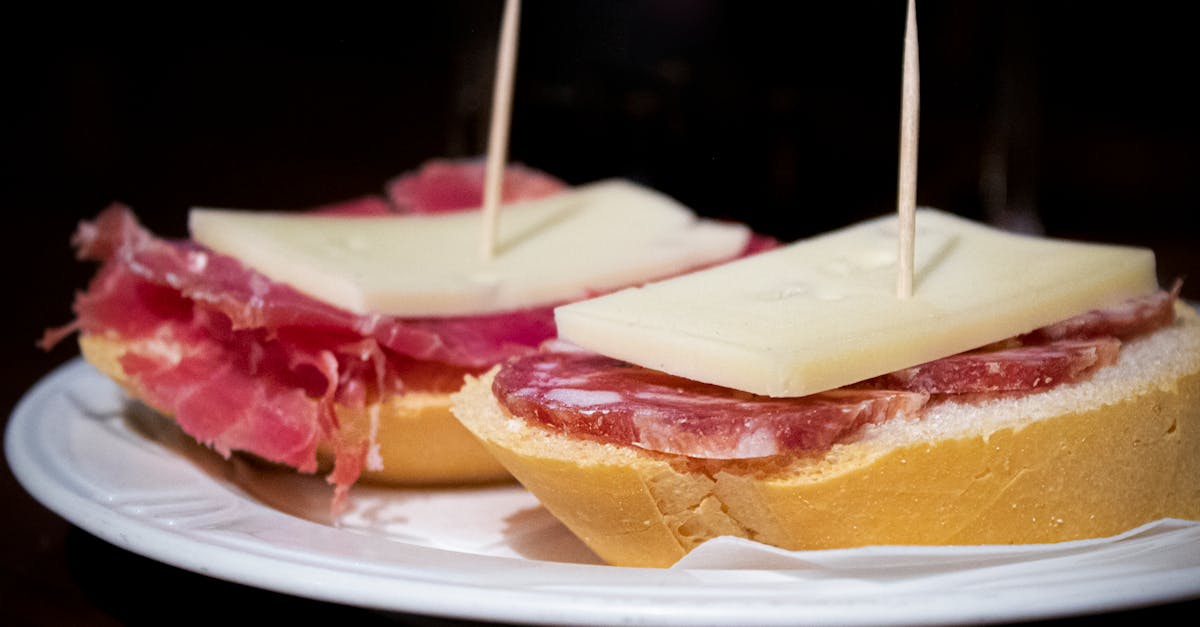
While paella and churros capture the imagination of many, the true heartbeat of Spanish street food pulses in the narrow, bustling streets of San Sebastián and Bilbao through the art of pintxos hopping. Unlike traditional tapas served on plates at a table, pintxos are small, elaborate culinary bites often skewered with a toothpick to pay for by counting them later, inviting you to stand shoulder-to-shoulder with locals at standing-height bars. This dynamic experience is less about sitting down for a single meal and more about a fluid journey where you move from one bar to another, sampling everything from grilled anchovies with romesco sauce to foie gras on toasted bread, all while soaking in the vibrant energy of the Basque Country's social scene.
Navigating this bar culture requires a bit of local know-how: arrive early or late to avoid the longest queues, keep an eye out for the most crowded counters as they usually offer the freshest ingredients, and don't be shy to point and ask "¿Qué es eso?" if a creation looks too intriguing to resist. The rhythm of the evening is dictated by the clinking of glasses and the lively chatter of groups rotating through their favorite spots, creating an authentic dining atmosphere that feels both intimate and electric. By embracing the pintxos hop, you aren't just tasting incredible food; you are participating in a centuries-old tradition that celebrates community, creativity, and the sheer joy of eating well without ever needing a formal reservation.
 This photo was taken by Regina Tommasi on Pexels.