Street Art and Urban Culture: The Vibrant Cities of Valencia and Seville
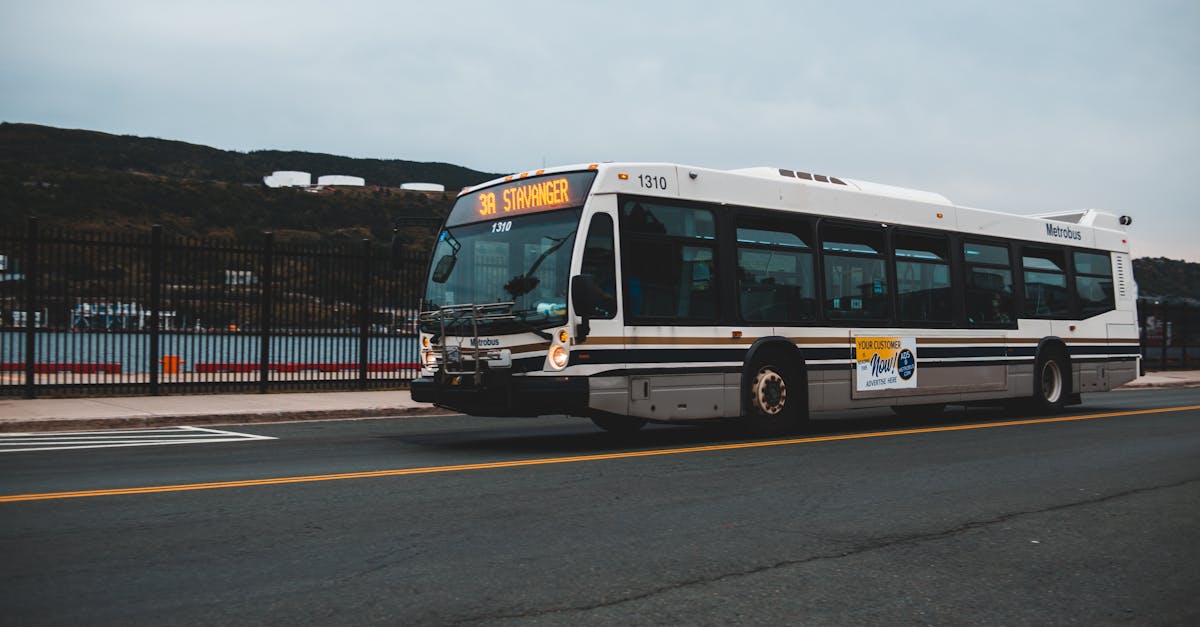 This photo was taken by Erik Mclean on Pexels.
Welcome to the beating heart of Spanish creativity! While many travelers flock to Spain for its sun-drenched beaches and ancient cathedrals, there is a dynamic, colorful pulse that beats beneath the cobblestones of our modern metropolises. In this post, we invite you to step away from the guidebooks and explore the living canvases of Valencia and Seville. From the lush greenery of Valencia's Turia Gardens, where nature embraces bold graffiti, to the secret murals hiding within the labyrinthine alleys of Seville's Santa Cruz district, these cities offer a unique dialogue between history and contemporary expression. We will also take you inside the electric atmosphere of local festivals that celebrate urban art as more than just decoration, but as a vital cultural force. Get ready to discover a side of Spain that is vibrant, rebellious, and utterly unforgettable.
Valencia's Turia Gardens: Where Graffiti Meets Nature
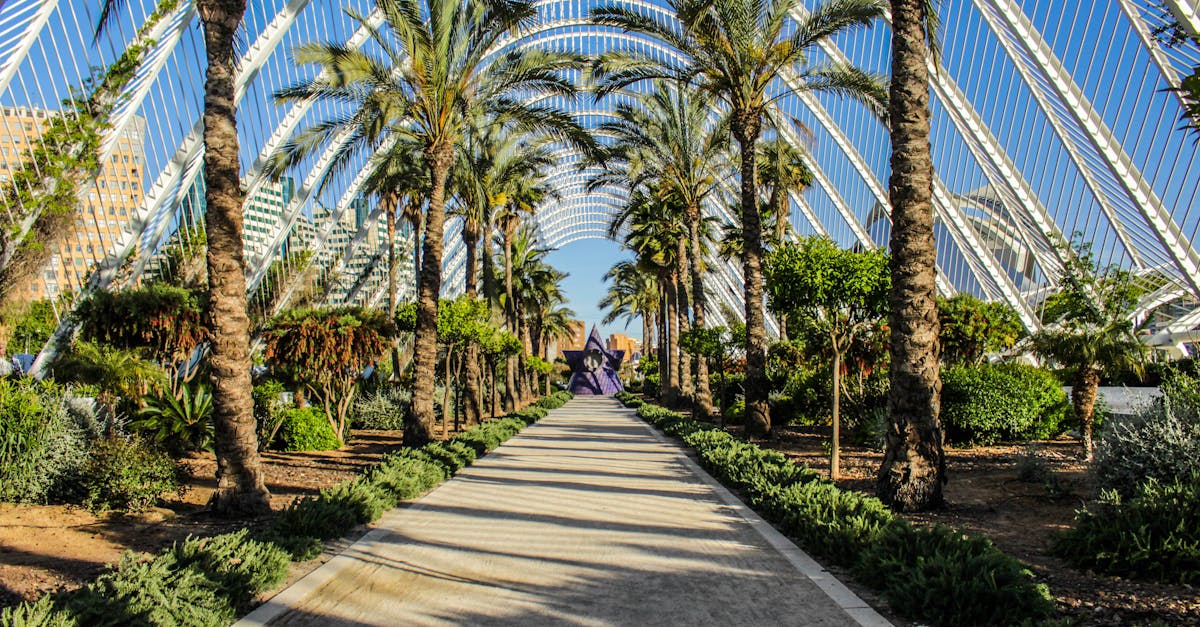
Carved from the dry riverbed of the historic Turia River, Valencia's gardens stand as a breathtaking testament to urban regeneration where wild nature seamlessly embraces bold human expression. As you stroll along the winding paths that stretch over seven kilometers through the heart of the city, you will discover that this green lung is not merely a sanctuary for flora but an open-air gallery where vibrant graffiti and murals breathe life into the concrete structures of the old water towers and playgrounds. Local artists have transformed these industrial remnants into colorful canvases, creating a dynamic dialogue between the organic growth of centuries-old trees and the electric, contemporary strokes of street art that celebrate Valencian identity.
What makes the Turia Gardens truly unique is how it dissolves the boundary between a traditional park and an immersive cultural experience, inviting visitors to wander through neighborhoods where every corner offers a new visual surprise. Unlike sterile museum settings, here the art is accessible to all, evolving with the seasons and the community's pulse, reflecting the same innovative spirit found in Seville's own urban revival. Whether you are watching children play beneath a mural depicting local legends or pausing to admire a massive piece of graffiti blending with the canopy above, the Turia Gardens offer a perfect fusion of history, ecology, and modern creativity that defines the soul of contemporary Valencia.
 This photo was taken by Jose D´Alessandro on Pexels.
Seville's Santa Cruz District: Hidden Murals in Historic Alleys
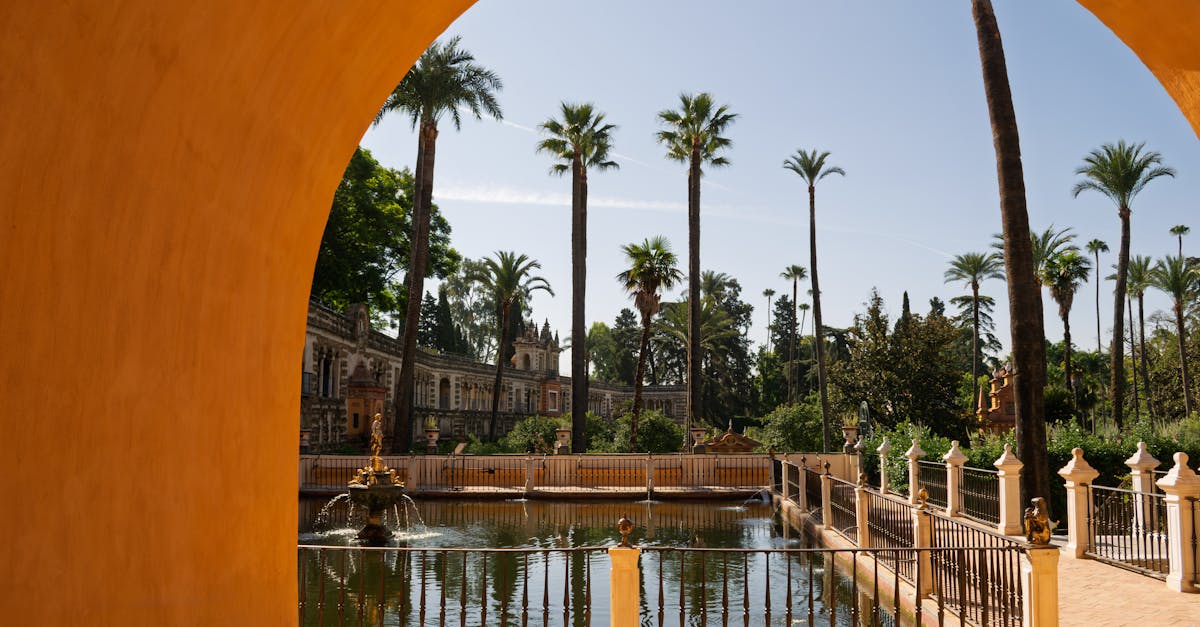
Wandering through the labyrinthine streets of Seville's Santa Cruz district reveals a captivating dialogue between ancient history and contemporary expression. While the area is renowned for its whitewashed walls, orange trees, and Moorish arches, a closer look at the narrow alleyways uncovers a vibrant layer of hidden murals that tell stories of local life and social commentary. These artistic interventions often appear in unexpected corners, transforming mundane backstreets into open-air galleries where traditional Andalusian motifs blend seamlessly with modern street art styles, offering visitors a unique perspective on the city's evolving cultural identity.
Exploring these secret artistic gems requires a bit of curiosity, as many masterpieces are tucked away behind historic doors or painted on the sides of old tenement buildings that have stood for centuries. Local artists frequently use this historic backdrop to highlight themes of migration, tradition, and the future of Spain, creating a striking contrast against the weathered stucco and cobblestones. As you navigate these quiet passages, you become part of an exclusive tour that goes beyond the typical tourist route, discovering how urban culture breathes new life into one of Europe's most enchanting neighborhoods without disturbing its timeless charm.
 This photo was taken by Ana Rubio on Pexels.
From Walls to Galleries: The Local Festivals Celebrating Urban Art
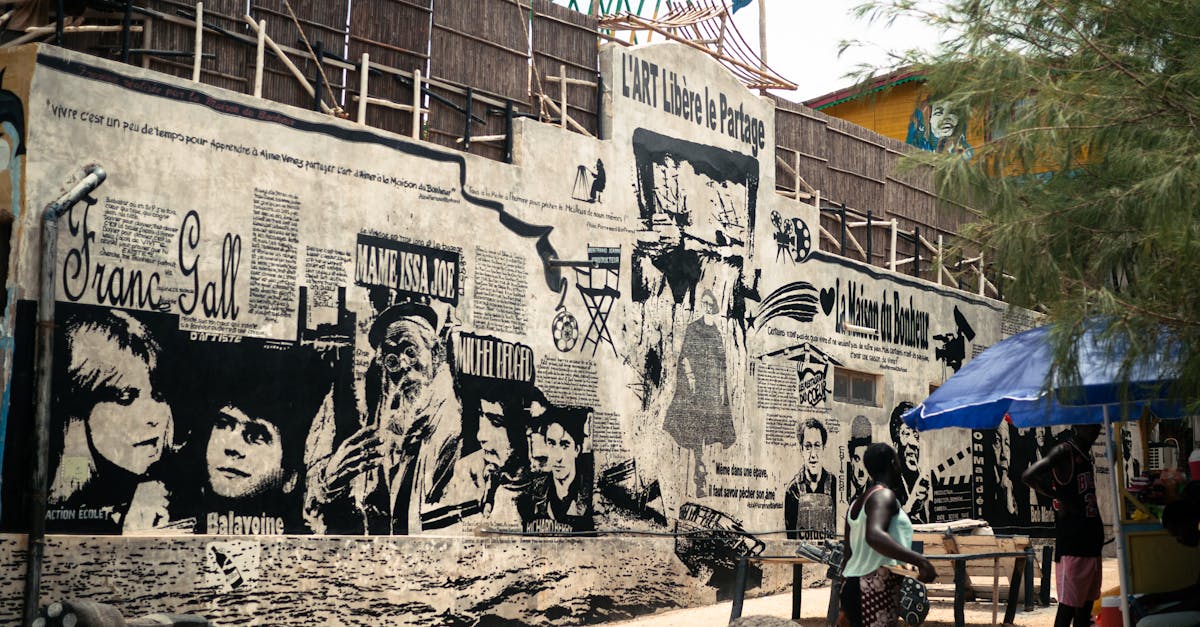
Valencia and Seville have transformed their historic facades into dynamic canvases, where the city's ancient walls serve as a backdrop for a new generation of local talent. In Valencia, the annual Muros Festival turns neighborhoods like El Cabanyal into an open-air gallery, inviting international artists to collaborate with locals on massive murals that breathe new life into forgotten alleyways. Similarly, Seville embraces this urban renaissance during its own cultural seasons, where the narrow streets of Triana become a runway for street performers and painters who fuse traditional Andalusian motifs with contemporary graffiti styles. These events are not merely exhibitions but living dialogues between the past and present, encouraging residents and visitors alike to see the city through a lens of creativity and social expression.
Beyond the visual spectacle, these festivals foster a deep sense of community by turning public spaces into hubs of interaction and celebration. Visitors can often participate in workshops led by renowned artists or join guided tours that decode the hidden meanings behind specific works, offering insights into Spain's current social and political climate. The energy is palpable as music fills the air, blending with the clatter of spray cans and the laughter of crowds gathering to watch art come to life before their eyes. Whether you are strolling through the vibrant alleys of Valencia at dusk or exploring the sun-drenched plazas of Seville under the stars, these celebrations prove that urban art is the heartbeat of these cities, pulsating with a rhythm that is uniquely Spanish and endlessly captivating.
 This photo was taken by Amaury Michaux on Pexels.