Street Art and Culture: The Vibrant Scene of Valencia
 This photo was taken by Monojit Dutta on Pexels.
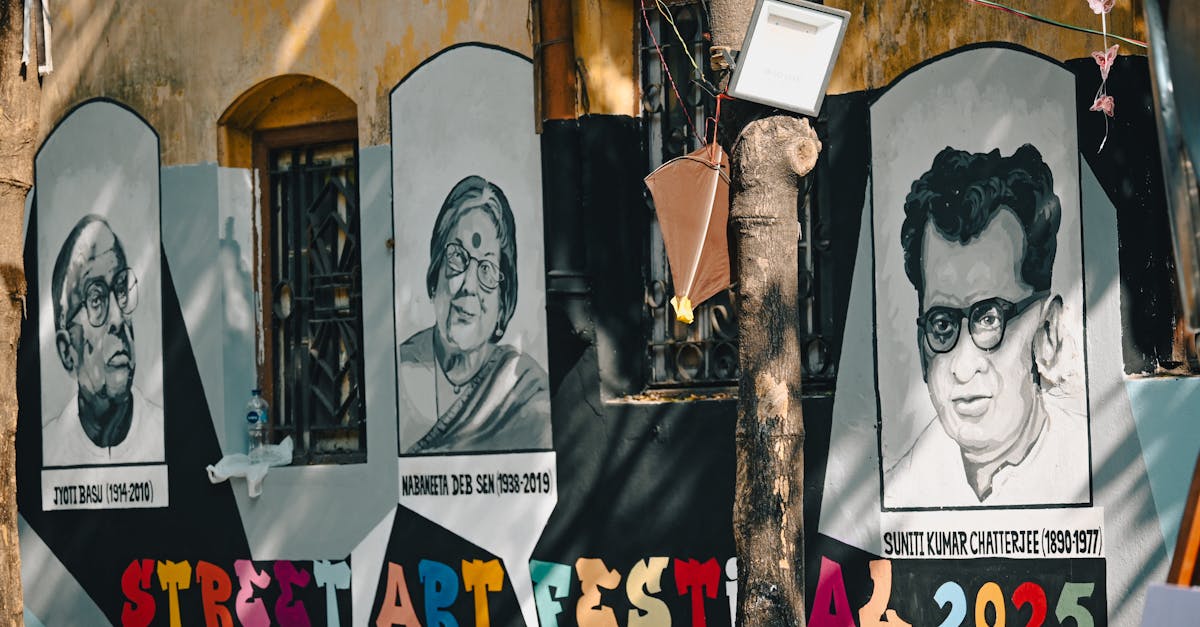
Welcome to the sun-drenched streets of Valencia, a city where history and modernity dance in perfect harmony. While many visitors flock to the historic Old Town or the futuristic City of Arts and Sciences, there is another layer of magic waiting to be discovered beneath the surface: a vibrant, ever-evolving street art scene that tells the true story of this Mediterranean gem. From the gritty transformation of the El Carmen neighborhood into an open-air gallery to the electric energy of international festivals, our walls are alive with color, creativity, and local identity. Join me as we explore how these dynamic murals do more than just decorate; they reflect the soul of Valencia, turning every corner into a canvas of cultural expression.
The Evolution of El Carmen: From Industrial Hub to Open-Air Gallery
Once the beating heart of Valencia's industrial revolution, El Carmen was long defined by its bustling workshops and textile factories that lined the narrow, winding streets of the old town. As heavy industry gradually migrated to the outskirts in the late 20th century, these historic buildings fell into a state of quiet decay, leaving behind blank canvases and forgotten corners. However, this period of neglect sparked an unexpected renaissance, transforming the neighborhood from a silent relic of manufacturing into a dynamic hub for creativity. Local artists, inspired by the area's raw character and rich history, began to reclaim the walls, turning former factory facades into vibrant murals that tell stories of social change, identity, and the city's unique spirit.
Today, walking through El Carmen feels like strolling through an open-air gallery where every corner reveals a new masterpiece, ranging from intricate geometric patterns to powerful political statements. The evolution of this district is not just visible in the art itself but in the community that has formed around it; galleries, independent cafes, and cultural centers now thrive alongside the graffiti, creating a symbiotic relationship between traditional Spanish culture and contemporary urban expression. This transformation has made El Carmen one of the most essential stops for any traveler seeking to understand modern Spain, offering a living testament to how a city can honor its past while boldly painting its future on the very walls of its heritage.
 This photo was taken by Mike Bird on Pexels.
Valencia's Street Art Festivals and International Artists
Valencia has emerged as a dynamic canvas for urban creativity, hosting the renowned Street Art Festival (SAF) that transforms the city's industrial zones and historic alleyways into open-air galleries. Every year, this event attracts a diverse array of international artists who are invited to collaborate with local talent, creating large-scale murals that reflect both global themes and the unique spirit of the Valencian community. These festivals are not merely about painting walls; they are immersive cultural experiences where workshops, live performances, and guided tours allow visitors to engage directly with the creative process, turning neighborhoods like Ruzafa and El Cabanyal into vibrant districts where art and daily life seamlessly intertwine.The presence of these world-class artists has elevated Valencia's reputation on the global street art map, fostering a thriving ecosystem that supports both established names and emerging voices from continents across the globe. Unlike static museum exhibits, the city's street art is ever-evolving, with new pieces constantly replacing old ones, ensuring that every visit offers a fresh perspective on contemporary expression. This commitment to artistic innovation has sparked a broader cultural renaissance, inspiring local businesses to integrate art into their facades and encouraging residents to take pride in their surroundings, making the exploration of Valencia's streets an essential journey for any traveler seeking the pulse of modern Spanish culture.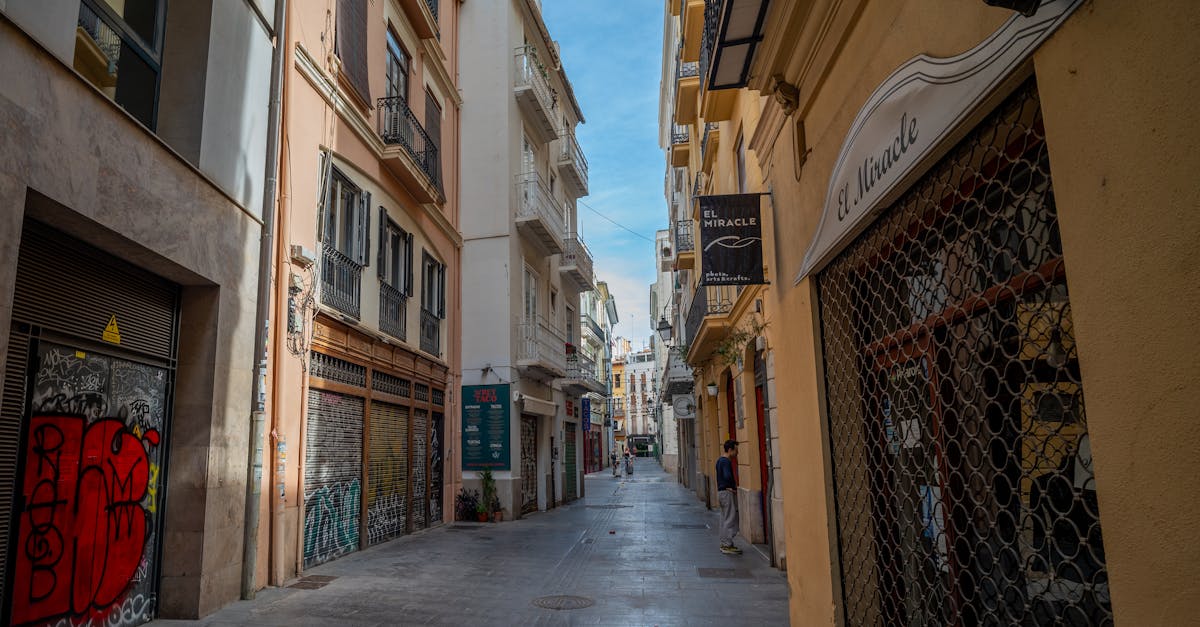 This photo was taken by Osviel Rodriguez Valdés on Pexels.
Beyond the Canvas: How Murals Reflect Local Identity
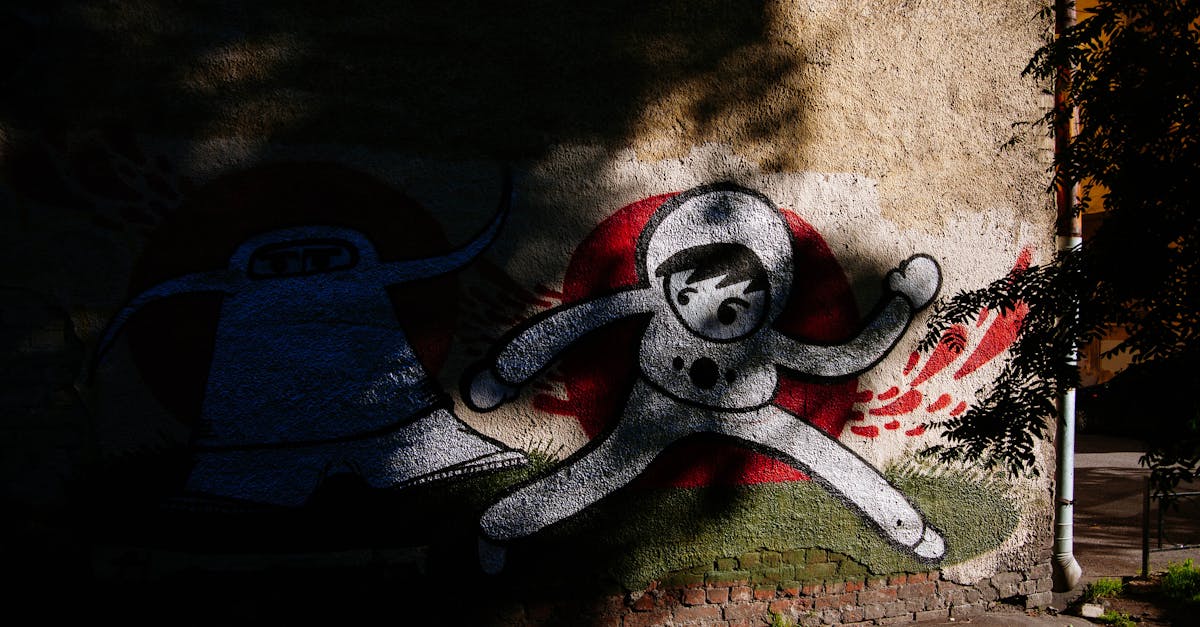
Moving beyond the mere aesthetic appeal, Valencia's street art serves as a dynamic chronicle of the city's soul, where every mural acts as a visual dialogue between the past and present. In neighborhoods like El Cabanyal or Ruzafa, these vibrant canvases often depict local legends, traditional symbols like the falles, or scenes from daily life that resonate deeply with residents, transforming ordinary walls into community archives. Unlike generic tourist attractions, these artworks are frequently created by neighborhood collectives who infuse their pieces with specific social commentary, ensuring that the art remains rooted in the authentic struggles, triumphs, and humor of Valencian people rather than external commercial interests.
This artistic movement has evolved into a powerful tool for preserving cultural identity amidst rapid urbanization, allowing locals to reclaim public spaces and assert their unique heritage on a global stage. As visitors walk through the streets, they are not just observing colorful graffiti but engaging with living history that challenges stereotypes and celebrates the diversity of Spain's Mediterranean coast. The murals invite travelers to look closer, revealing stories of resilience and pride that define Valencia's character, proving that the true spirit of the city is found not only in its historic monuments but also in the bold, evolving voices painted across its modern skyline.
 This photo was taken by Plato Terentev on Pexels.