Spanish Heritage Sites: UNESCO Treasures You Must See
 This photo was taken by Ana Hidalgo Burgos on Pexels.
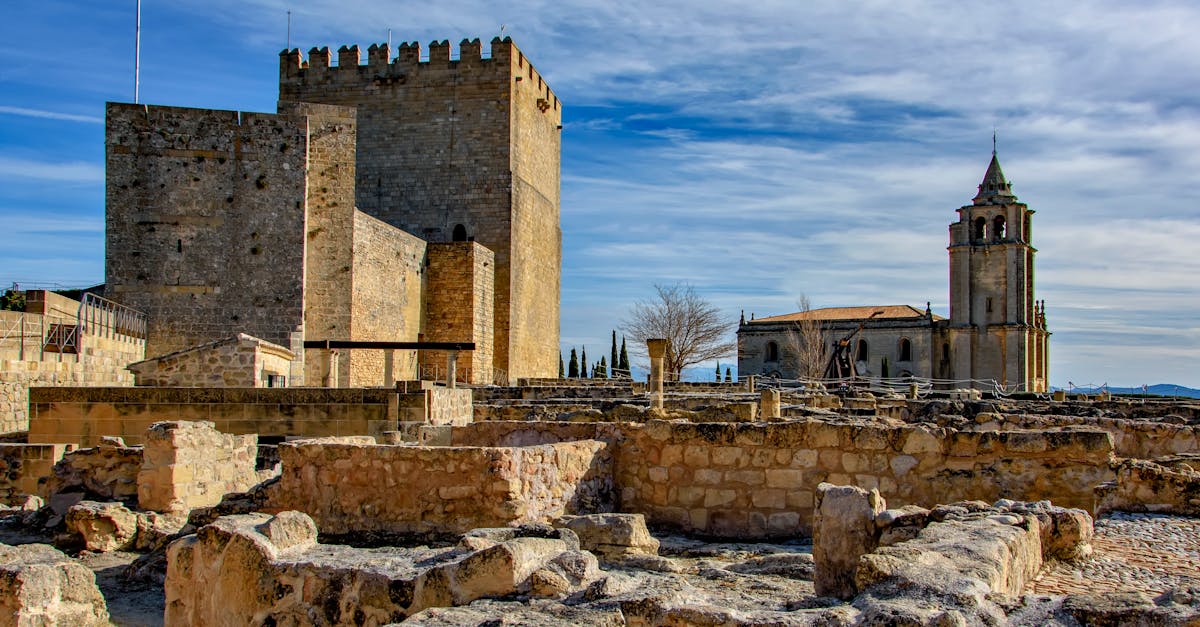
Bienvenidos a the heart of Spain, a land where history breathes through every cobblestone and monument. From the sun-drenched hills of Andalusia to the vibrant streets of Catalonia and the quiet grandeur of Extremadura, our country is home to an extraordinary collection of UNESCO World Heritage Sites that tell the story of millennia of cultural fusion. In this post, we embark on a journey through time to explore three absolute must-see treasures: the breathtaking Moorish Alhambra in Granada, Antoni Gaudí's gravity-defying Sagrada Família in Barcelona, and the remarkably preserved Roman wonders of Mérida and Tarragona. Get ready to discover the architectural marvels and historical depths that make Spain a true treasure trove for travelers.
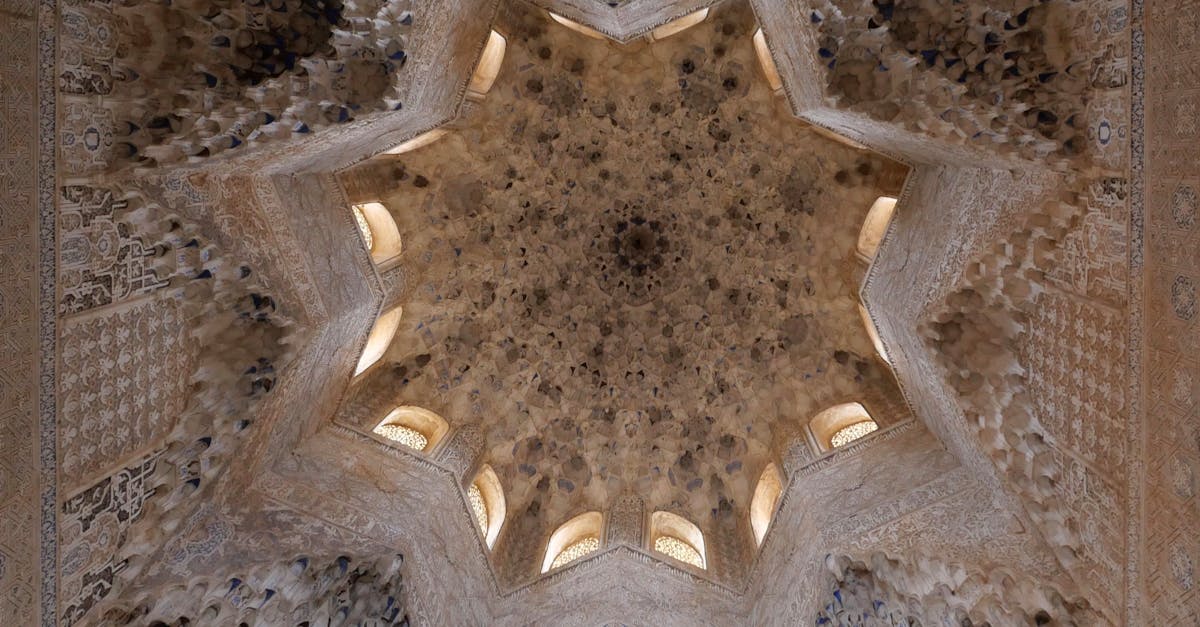
The Majestic Alhambra: A Moorish Masterpiece in Granada
 This photo was taken by Dirk Pothen on Pexels.
Sagrada Família and Gaudí's Barcelona: Where Architecture Defies Gravity
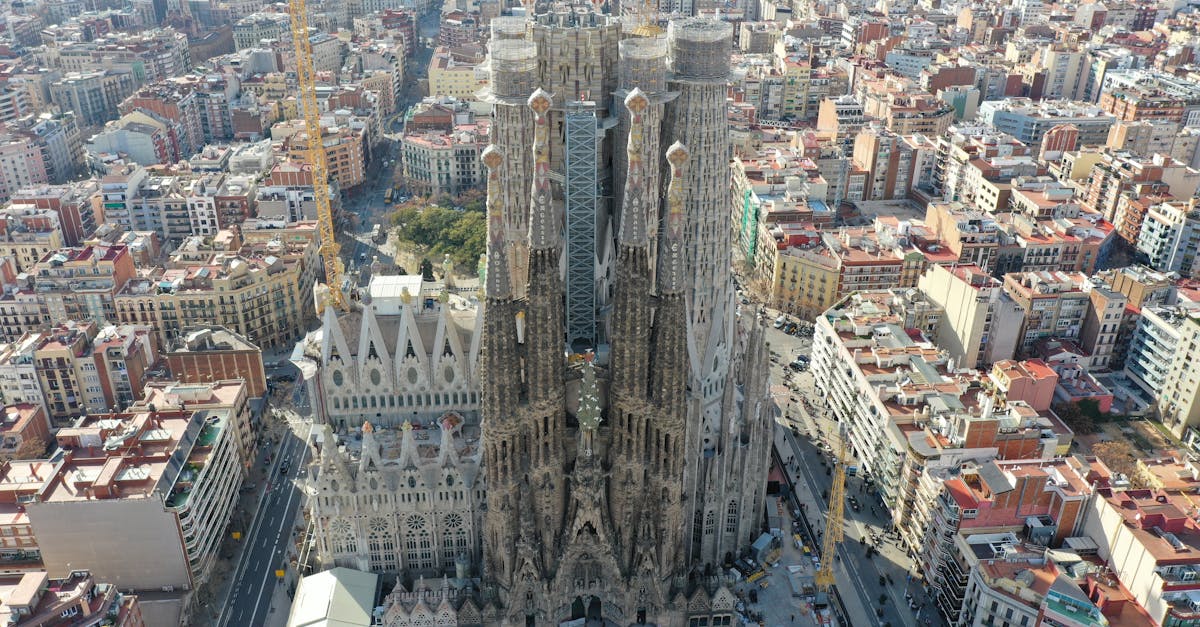
Stepping into the shadow of Antoni Gaudí's unfinished masterpiece, the Sagrada Família, is to witness architecture that seems to defy gravity and logic alike. This UNESCO-listed wonder, nestled in the heart of Barcelona, transforms stone into a forest of towering columns that mimic ancient trees, reaching toward the sky while bathing the interior in a kaleidoscope of light filtering through stained glass windows. As you walk among these organic forms, you realize that every curve and spire tells a story of faith and nature intertwined, creating an immersive experience where the building itself feels alive, breathing with the rhythm of the city around it.
Gaudí's influence extends far beyond this single basilica, permeating the very soul of Barcelona as a living museum of Modernisme. From the whimsical, mosaic-covered dragon back of Park Güell to the undulating façade of Casa Batlló, the city invites visitors to explore a landscape where traditional construction rules are playfully abandoned for fluid lines and vibrant colors. Exploring these sites offers more than just visual delight; it provides a profound connection to Spain's rich cultural heritage, showcasing how visionary artistry can turn ordinary materials into extraordinary monuments that continue to inspire awe centuries after their conception.
 This photo was taken by 何伟 on Pexels.
The Ancient Roman Wonders of Mérida and Tarragona
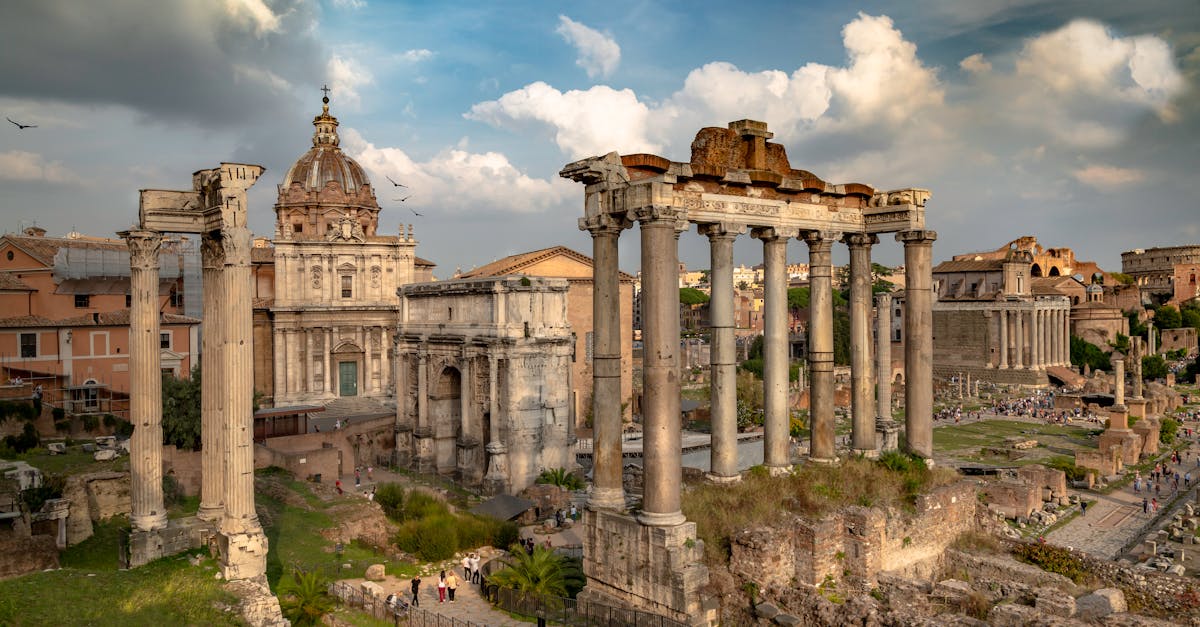
Step back into the golden age of the Roman Empire in Mérida, where the ancient city of Emerita Augusta stands as a breathtaking testament to imperial grandeur. As one of Spain's most important archaeological sites and a UNESCO World Heritage location, Mérida offers visitors an immersive journey through time with its remarkably preserved structures. Wander along the majestic 800-meter-long Roman Bridge spanning the Guadiana River, marvel at the expansive theater that still hosts summer performances under the stars, and explore the Temple of Diana and the well-preserved amphitheater. The site is not merely a collection of ruins but a living museum where history breathes through every stone, offering a profound connection to the past that few other destinations can match.
Further north along the Mediterranean coast lies Tarragona, another jewel of Roman heritage known locally as Tarraco, which served as a crucial military and administrative hub for centuries. This coastal gem boasts some of the best-preserved Roman monuments in Europe, including a colossal amphitheater carved directly into the cliffside overlooking the azure sea and an impressive aqueduct system that once fed the city with fresh water. Visitors can trace the path of the original decumanus maximus, walk through the circular circus used for chariot races, and gaze upon the intricate mosaics within the Palau dels Governadors. A stroll through Tarragona allows you to seamlessly blend ancient history with vibrant modern life, making it an essential stop for any traveler seeking to understand the enduring legacy of Rome on Spanish soil.
 This photo was taken by Leonardo Delsabio on Pexels.